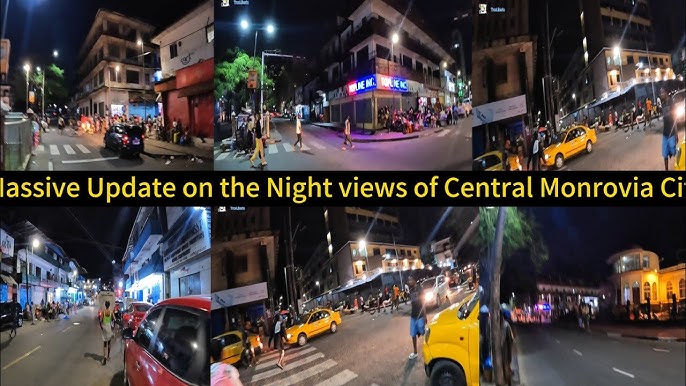
Why Monrovia Liberia Nightlife Deserves Your Attention
Ask most travel guides about Monrovia Liberia nightlife and you'll get a paragraph buried under safety warnings and outdated hotel listings. That's a shame — because the city that rebuilt itself after two civil wars has quietly grown one of West Africa's most spirited after-dark cultures. Monrovia is not Lagos or Accra in terms of scale, but what it offers is something rarer: an intimate, locally driven scene where the music is loud, the food is real, and the crowd actually wants to be there.
This guide cuts through the noise. It maps the real experience — which neighborhoods pulse on a Friday night, what kinds of venues exist, how late things actually run, and what a first-timer should know before stepping out. Whether you're a visitor, an expat, or a Liberian returning home, this is the honest overview the internet has been missing.
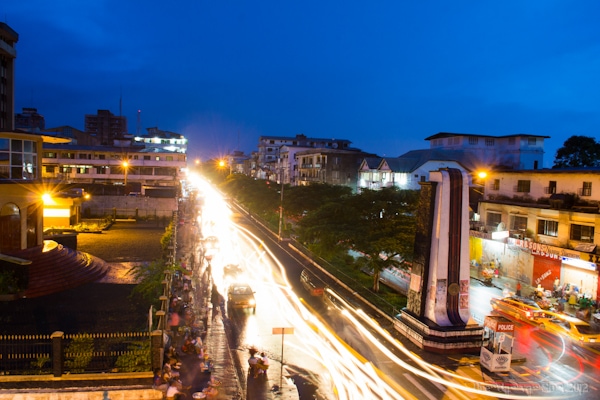
The Neighborhoods That Come Alive After Dark
Monrovia's nightlife is not evenly spread across the city. Knowing where to go is the first skill you need. Three zones dominate the after-dark map, each with a distinct personality.
Sinkor: The Social Hub
Sinkor — particularly the stretch along Tubman Boulevard and the roads running toward the beach — is the undisputed center of Monrovia's social life. Restaurants transition into late-night lounges after 9 PM. Open-air bars spill onto the street. The demographic is mixed: professionals, NGO workers, young entrepreneurs, and tourists all share the same space. Parking can be tight on weekends, but the density of options makes it worth the hassle.
If you're only spending one night out in Monrovia, Sinkor is where you spend it. Venues here tend to open around 7 PM and keep going until 2 or 3 AM on Fridays and Saturdays. Midweek is quieter but never dead.
Congo Town and Mamba Point: Upscale and Relaxed
Congo Town attracts a more polished crowd. The bars here lean toward cocktail lounges and rooftop settings. Mamba Point, home to several international hotels, has a handful of hotel bars that welcome non-guests and often host live music on weekends. These are the spots for a slower evening — good conversation, a cold Club Beer, and a view of the Atlantic.
Prices in these areas run noticeably higher than Sinkor. Expect to pay USD 5–12 for cocktails at the better-known lounges, which is steep by local standards but reasonable for the experience.
Bushrod Island and Broader Monrovia: The Local Scene
Venture beyond the expat-friendly zones and you find the city's raw, authentic nightlife. Bushrod Island has open-air spots playing hipco — Liberia's homegrown hip-hop genre — and palm wine bars that stay open late. These venues charge a fraction of what Sinkor does. The trade-off is that they require a local guide or trusted contact to navigate comfortably, especially for first-time visitors.
Types of Venues: Clubs, Lounges, and Live Music Spots
Monrovia's nightlife ecosystem has matured enough to offer genuine variety. The mistake most visitors make is assuming it's all one-size-fits-all. It isn't.
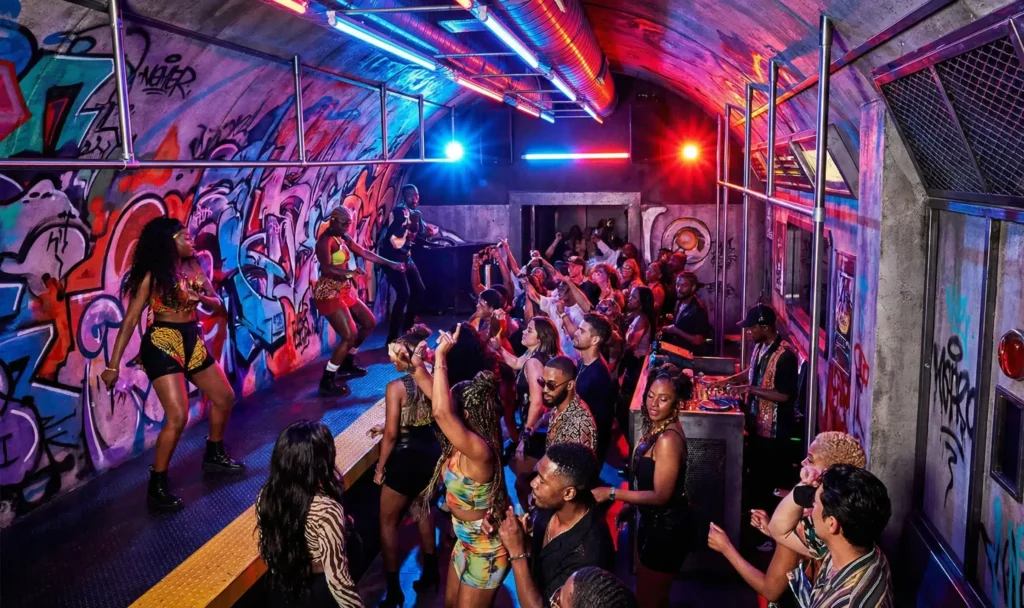
Nightclubs
Full-scale nightclubs — with dedicated DJ booths, cover charges, and bottle service — exist and they're growing. The music mix leans heavily on Afrobeats, dancehall, and American R&B, with Liberian artists like Shadow and Christoph the Change getting regular rotation. Cover charges typically run LRD 500–1,000 (roughly USD 2.50–5) on regular nights, rising to USD 10–15 for special events or international guest DJs.
Most clubs don't hit their stride until after midnight. Arriving at 10 PM means you'll be one of ten people. Patience pays off — by 1 AM, the energy is completely different. Check the TrueLiberia nightclubs and bars directory for a current, vetted list of active venues across the city.
Lounges and Rooftop Bars
This is the fastest-growing segment of Monrovia's nightlife. Lounges offer a middle ground: you can have a proper conversation, order food, and still feel the energy of a night out. Many double as restaurants until 10 PM, then shift the vibe with a DJ or live playlist. Rooftop settings are particularly popular — the sea breeze off the Atlantic makes them genuinely pleasant even in the dry season.
These spots are ideal for groups with mixed preferences. Not everyone wants to dance at 2 AM, and the lounge format accommodates that without feeling like a compromise.
Live Music Venues
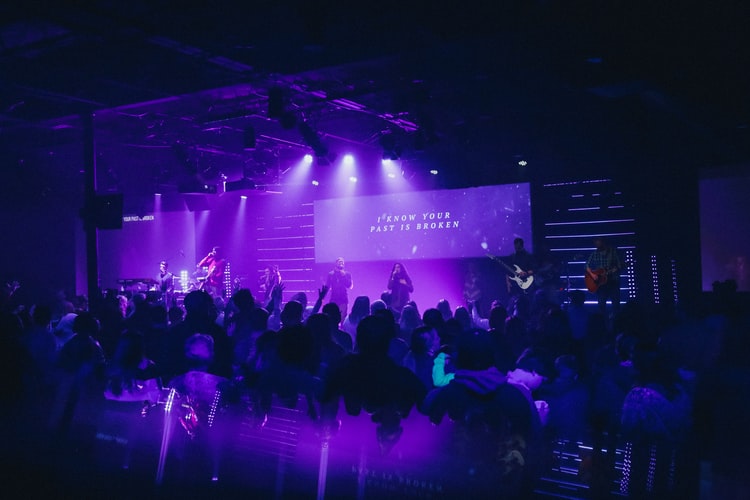
Live music in Monrovia is underrated and underreported. Several venues host weekly live sets featuring local bands playing a blend of highlife, jazz, and contemporary Liberian music. Friday nights are the most reliable. The talent level is high — Liberia has a deep musical tradition, and the artists performing in these venues are often serious professionals, not just open-mic regulars.
For visitors interested in Liberian culture, a live music night is arguably more valuable than any nightclub. You'll hear sounds you won't find on any streaming playlist. Browse upcoming events on TrueLiberia to find live music nights, themed parties, and special bookings before you arrive.
What to Eat and Drink After Dark
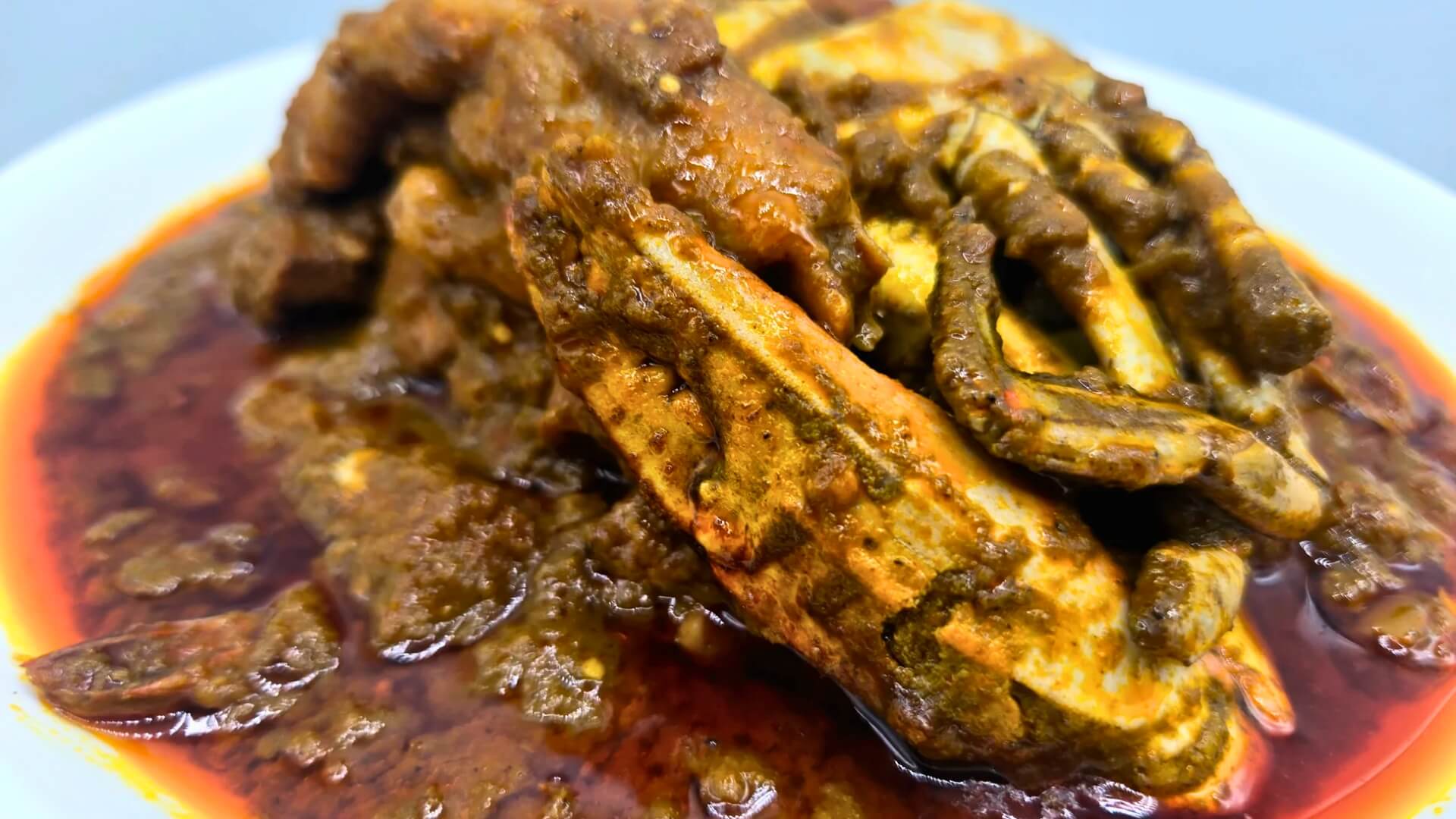
Monrovia's late-night food scene is a genuine highlight. Several restaurants stay open past midnight, and street food vendors set up specifically for the after-club crowd. Pepper soup, fufu with palm butter, and fried plantains are the staples. A bowl of pepper soup at 1 AM after a night out is as much a Monrovia tradition as the dancing itself.
- Club Beer — Liberia's national lager, cold and cheap, available everywhere
- Cane juice cocktails — locally made spirits mixed with fruit juice, found at open-air bars
- Palm wine — traditional, potent, and best consumed fresh at local spots
- Imported spirits — widely available at upscale lounges; expect premium pricing
- Fresh coconut water — sold by street vendors outside clubs, a perfect late-night rehydration option
If you want a proper sit-down meal before or after your night out, Monrovia's restaurant scene has expanded significantly. Explore Liberian restaurants on TrueLiberia to find spots that fit your schedule and budget — several are open until midnight or later on weekends.
Safety, Transport, and Practical Tips for Nightlife in Monrovia
This is the section most guides skip or handle with vague disclaimers. Let's be direct instead.
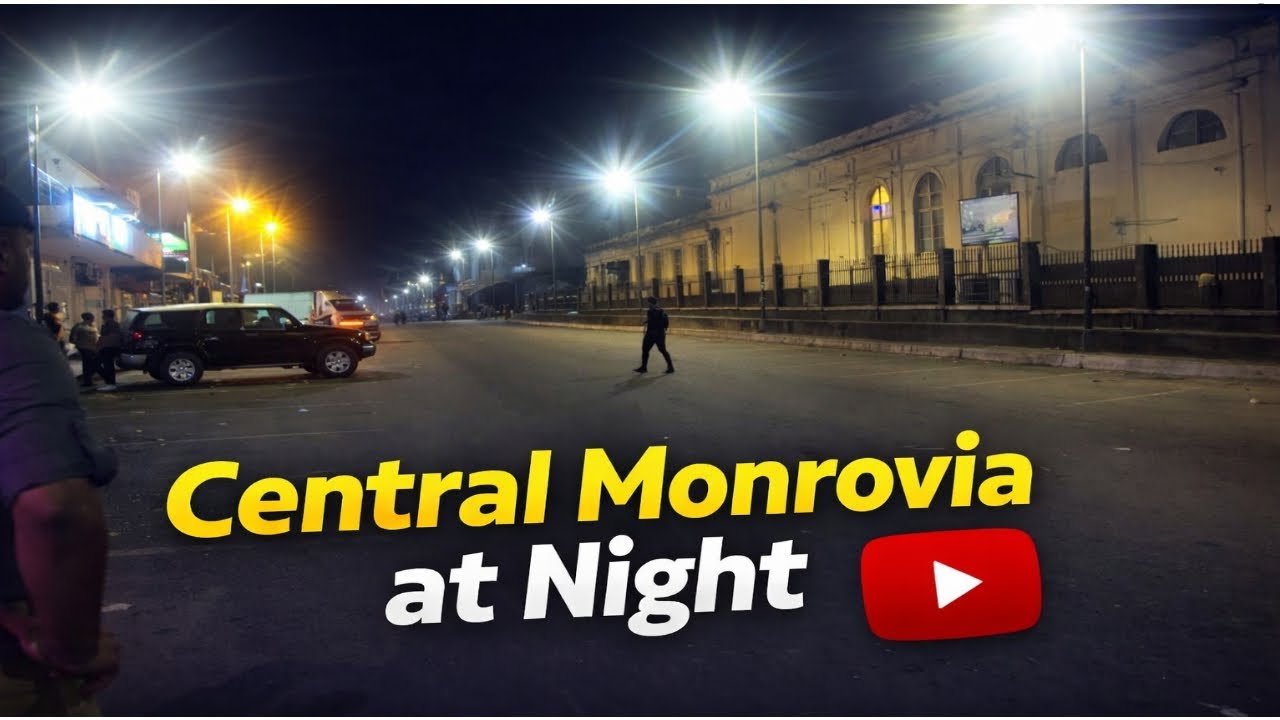
Is It Safe?
Monrovia is a developing city with real security considerations, but it is not uniquely dangerous for a West African capital. The areas described in this guide — Sinkor, Congo Town, Mamba Point — are well-trafficked and relatively well-lit. Petty theft is the primary risk, not violent crime. Standard precautions apply: don't flash expensive jewelry or phones, travel in groups when possible, and use trusted transport.
The U.S. Department of State's Liberia travel advisory recommends general awareness in urban areas. That's sensible advice, not a reason to stay in your hotel.
Getting Around at Night
Taxis are the standard option. Negotiate the fare before you get in — there are no meters. A typical ride within Sinkor costs LRD 300–600. For longer trips or late-night returns, agree on a price upfront and ideally use a driver your hotel or a local contact recommends. Ride-hailing apps have limited penetration in Monrovia as of 2024, so don't rely on them.
Driving yourself is possible if you're staying in the city and know the roads. Parking at most venues is informal — attendants manage it for a small tip. If you're planning to drink, arrange a driver in advance.
Dress Code and Entry
Most clubs and lounges have an informal dress code: smart casual is the safe default. Flip-flops and athletic shorts will get you turned away at the better venues. For upscale lounges, smart trousers and a collared shirt for men, or a dress for women, will have you fitting in perfectly. The crowd in Monrovia dresses up for a night out — it's part of the culture.
Common Mistakes to Avoid
- Arriving too early. Venues that advertise a 9 PM start are quiet until 11. Plan accordingly.
- Carrying large amounts of cash. Bring what you need for the night, not your whole budget.
- Ignoring local advice. Your hotel concierge or a local contact knows which venues are currently active and which have closed or changed character.
- Assuming every neighborhood is the same. Stick to the areas in this guide until you have a feel for the city.
- Skipping the food. Eating before or during your night out makes everything better and reduces the effects of alcohol in the heat.
The Cultural Layer: Understanding What Makes Monrovia's Nightlife Unique
Monrovia's after-dark culture is inseparable from the city's broader story. Liberia has one of West Africa's most complex histories — American-Liberian founding, decades of political tension, two brutal civil wars ending in 2003, and a remarkable reconstruction. The nightlife that exists today is not just entertainment; it's a statement of resilience.
The music reflects this. Hipco, which emerged in the 1990s partly as a response to the wars, blends Liberian English (Liberian Kreyol) with hip-hop beats and politically charged or socially aware lyrics. Hearing it live in a Monrovia bar is a cultural experience that no museum exhibit can replicate. According to BBC Culture's feature on hipco, the genre played a genuine role in social healing during and after the conflict.
The people you meet at a Monrovia bar on a Saturday night are likely to include NGO workers, Liberian diaspora visiting from the US, local entrepreneurs, and young professionals who grew up during the reconstruction era. That mix creates conversations you won't have anywhere else. It also means the scene is more internationally aware than outsiders expect — you'll hear Afrobeats from Nigeria and Ghana alongside local tracks, and the bartender may have relatives in Minnesota.
Planning Your Night Out: A Practical Timeline
A well-structured night in Monrovia looks something like this:
- 7:00–8:30 PM: Dinner at a Sinkor restaurant. Most kitchens are at their best early in the evening.
- 9:00–10:30 PM: Move to a lounge or rooftop bar. Grab drinks, settle in, and let the city wake up around you.
- 10:30 PM–12:00 AM: If you're heading to a club, this is when to arrive. The early crowd is manageable and you'll get a feel for the venue before it peaks.
- 12:00–2:00 AM: Peak hours. The music is loudest, the dance floor is full, and the energy is at its highest.
- 2:00 AM onward: Wind down with street food or a late-night pepper soup spot before heading back.
This timeline works for a weekend. Midweek nights compress slightly — most venues peak around 11 PM and wind down by 1:30 AM.
Discover More of What Monrovia Has to Offer
Nightlife is just one dimension of what makes Monrovia worth visiting. The city's beaches, its food culture, its markets, and its hotels all contribute to an experience that rewards the curious traveler. Find hotels and resorts in Liberia on TrueLiberia to plan your full stay — from where you sleep to where you dance.
The platform's concierge service can also connect you with local knowledge that no article can fully replace. Discover everything TrueLiberia has to offer and plan a trip that goes well beyond the surface. The city is ready for you — and it's more alive after dark than most people expect.