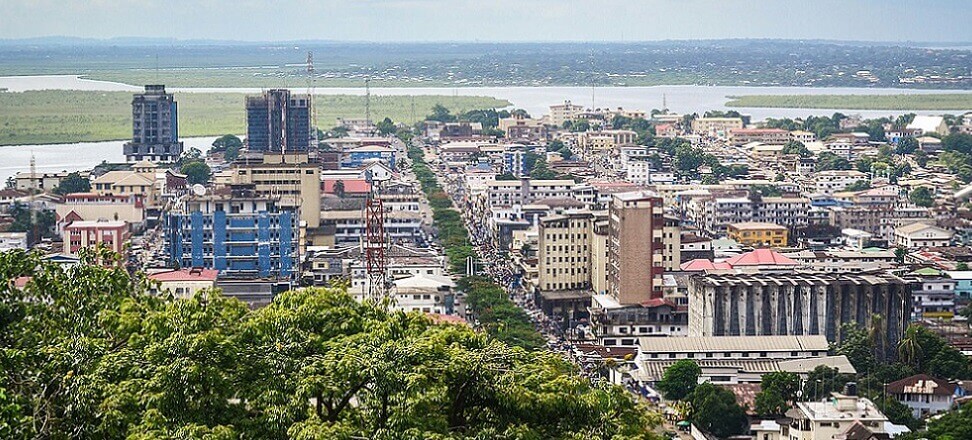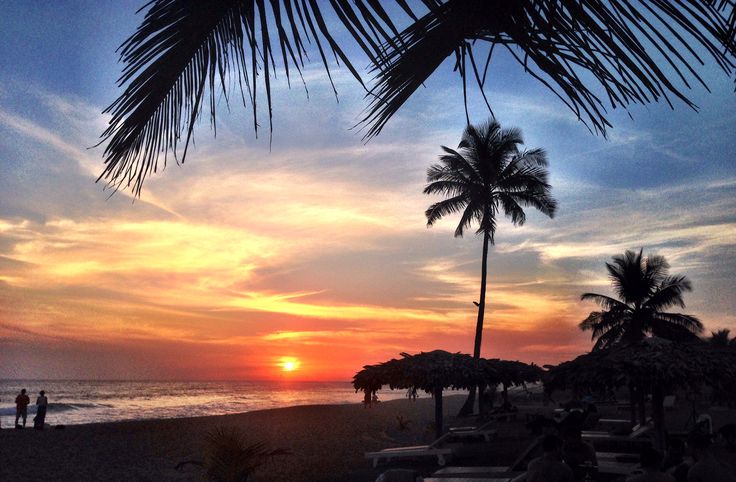
If you've been searching for the best things to do in Monrovia, Liberia, you're about to find a guide that goes well beyond the usual tourist checklist. Monrovia is a city of contradictions — raw and resilient, loud and lyrical, beachside and bustling — and it rewards visitors who dig past the surface. From open-air fish markets and rooftop bars to colonial-era landmarks and live Afrobeats nights, the Liberian capital packs more authentic experience per square mile than most West African cities twice its size. This guide maps out 10 concrete, vetted experiences, with honest trade-offs and practical detail you won't find in a generic travel roundup.

1. Hit the Atlantic Shore at Kendeja Beach
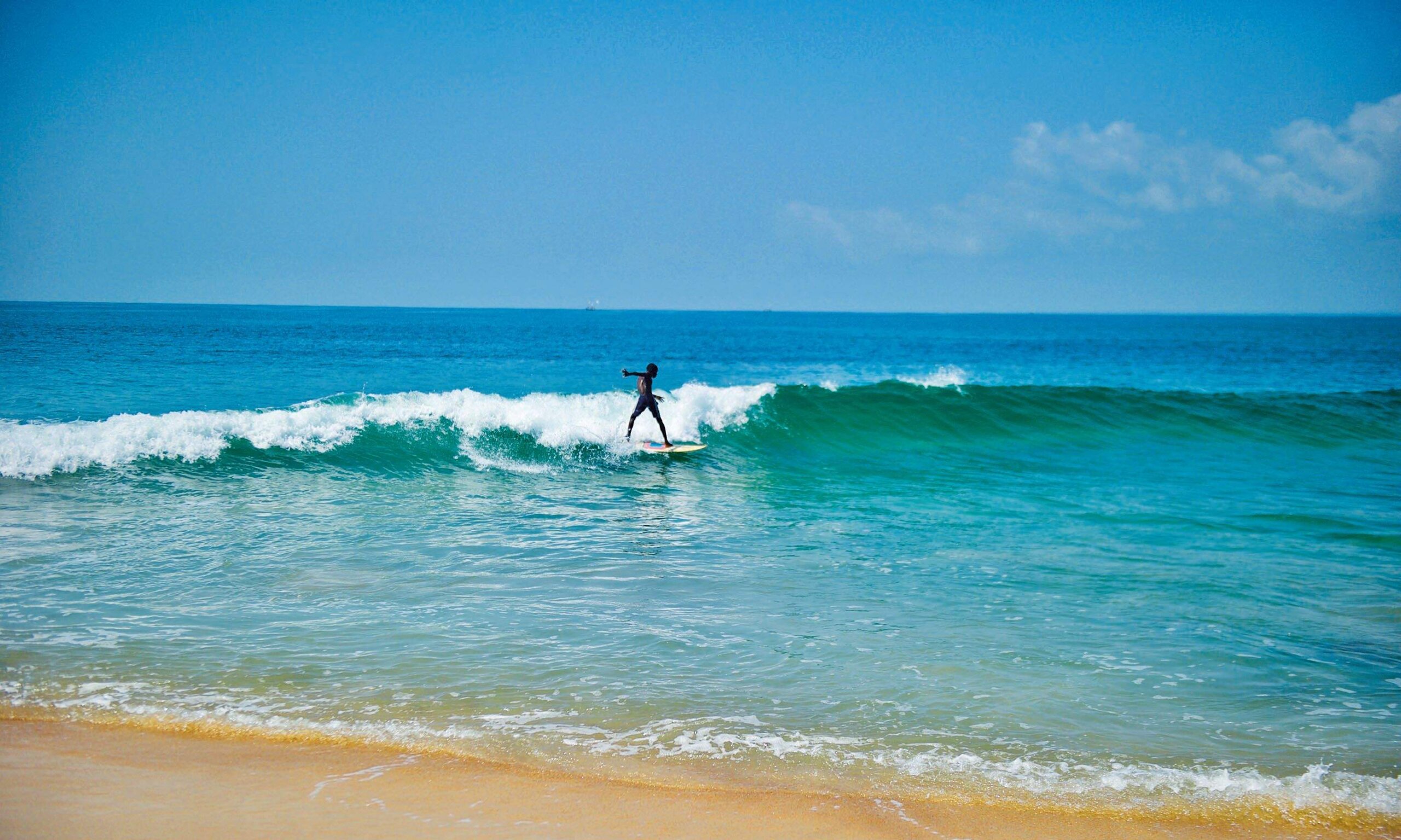
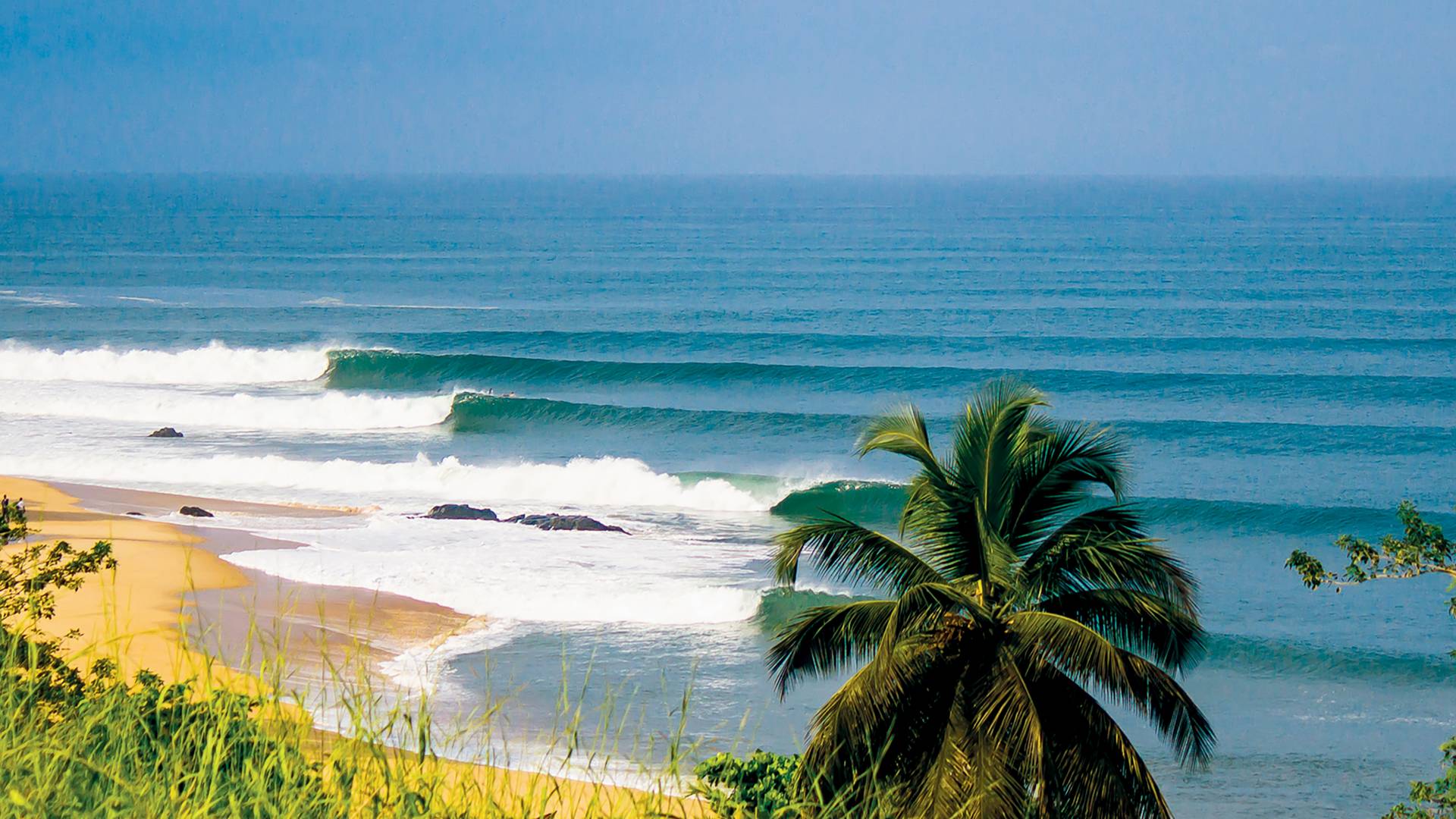
Kendeja Beach sits roughly 13 km from central Monrovia and is consistently the most popular stretch of sand for both locals and expats. The waves here are powerful — not ideal for inexperienced swimmers — but the atmosphere on a Saturday afternoon is electric. Vendors sell cold Club Beer and fresh coconuts, and impromptu football matches break out along the tideline most weekends.
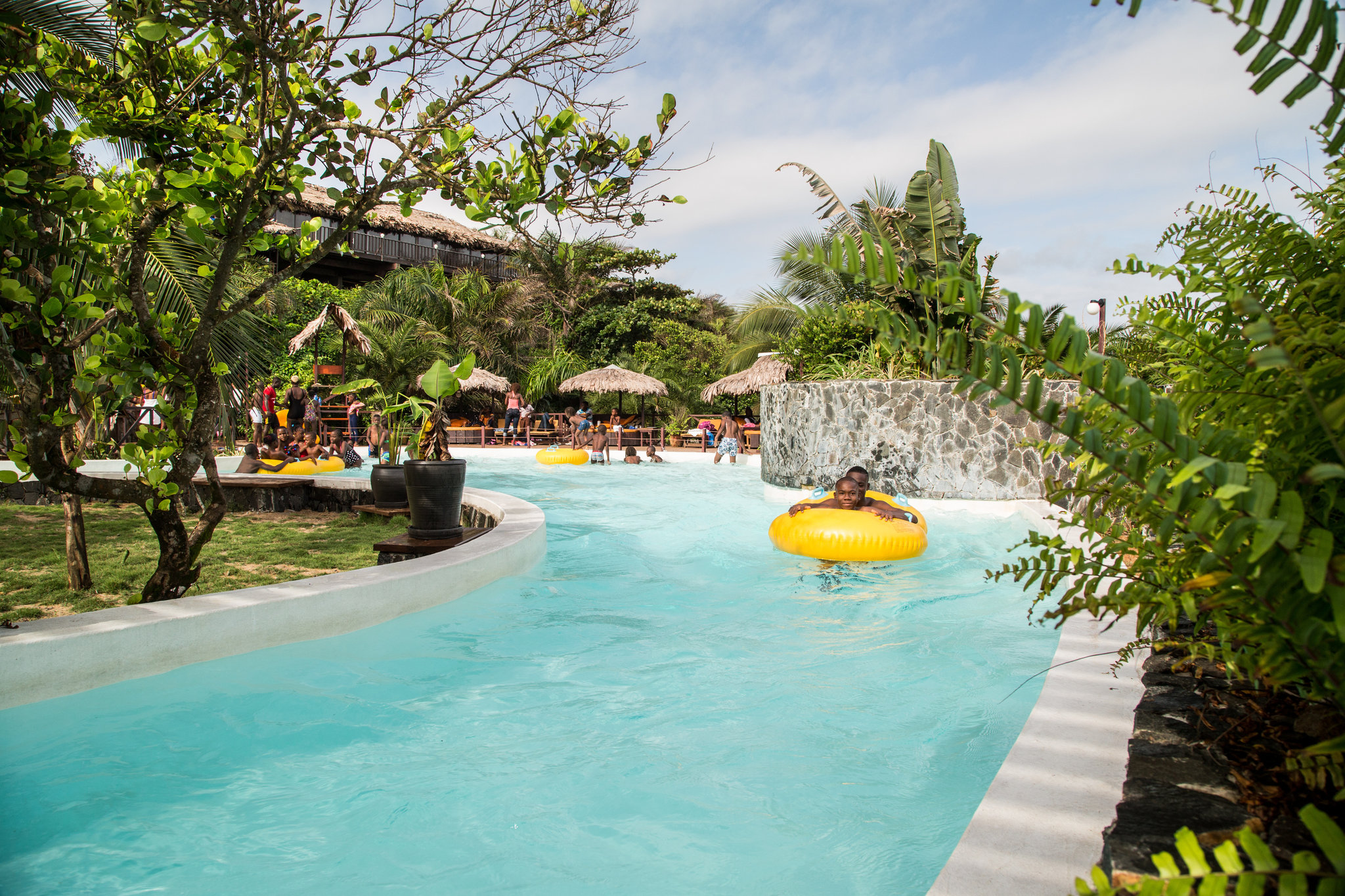
What sets Kendeja apart from other beaches is the adjacent Kendeja Resort, which offers day-use access to its pool for a modest fee (roughly USD 10–15 as of recent visits). That gives you a clean alternative if the surf looks too rough. Arrive before noon to claim a good spot, and bring cash — card readers are rare on the beach itself.
2. Explore Liberian Nightlife in Sinkor and Mamba Point
Monrovia's nightlife is concentrated in two main corridors: Sinkor along Tubman Boulevard and Mamba Point near the hotel district. The scene doesn't really ignite until after 10 PM, which surprises first-time visitors expecting an early start. Clubs like SKY Bar and various rooftop venues pump a mix of Afrobeats, Highlife, and homegrown Hipco — Liberia's own hip-hop fusion genre — well past 2 AM on weekends.
A realistic budget for a night out runs USD 20–40 per person including cover charges and drinks, though VIP tables at premium spots can cost significantly more. The common mistake visitors make is arriving at 8 PM and leaving before the real energy builds. Stay late, or don't bother. Browse Monrovia's top-rated nightclubs and bars on TrueLiberia to find current venues with reviews and directions.
3. Eat at a Proper Liberian Restaurant — Not Just a Hotel Buffet
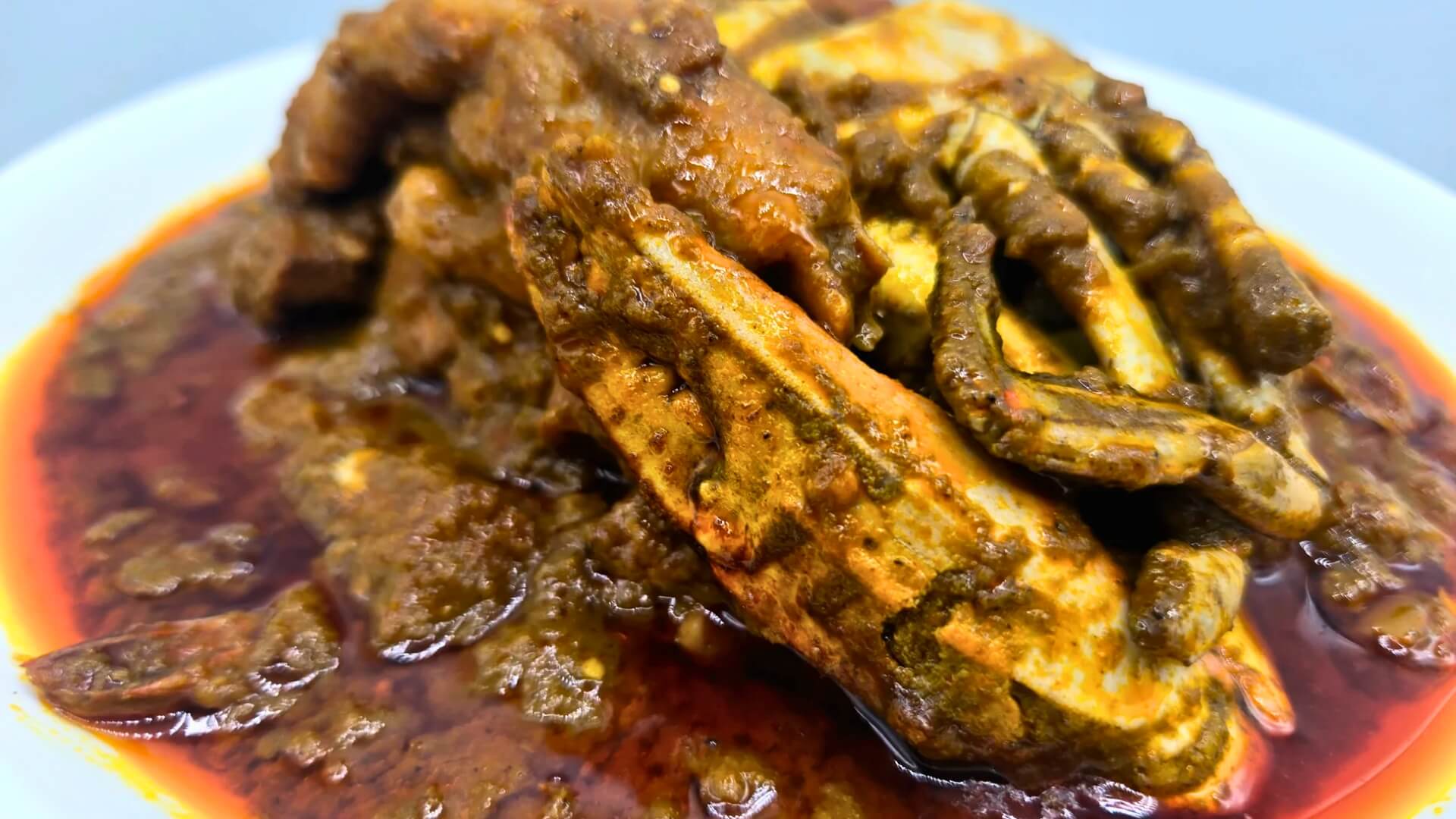
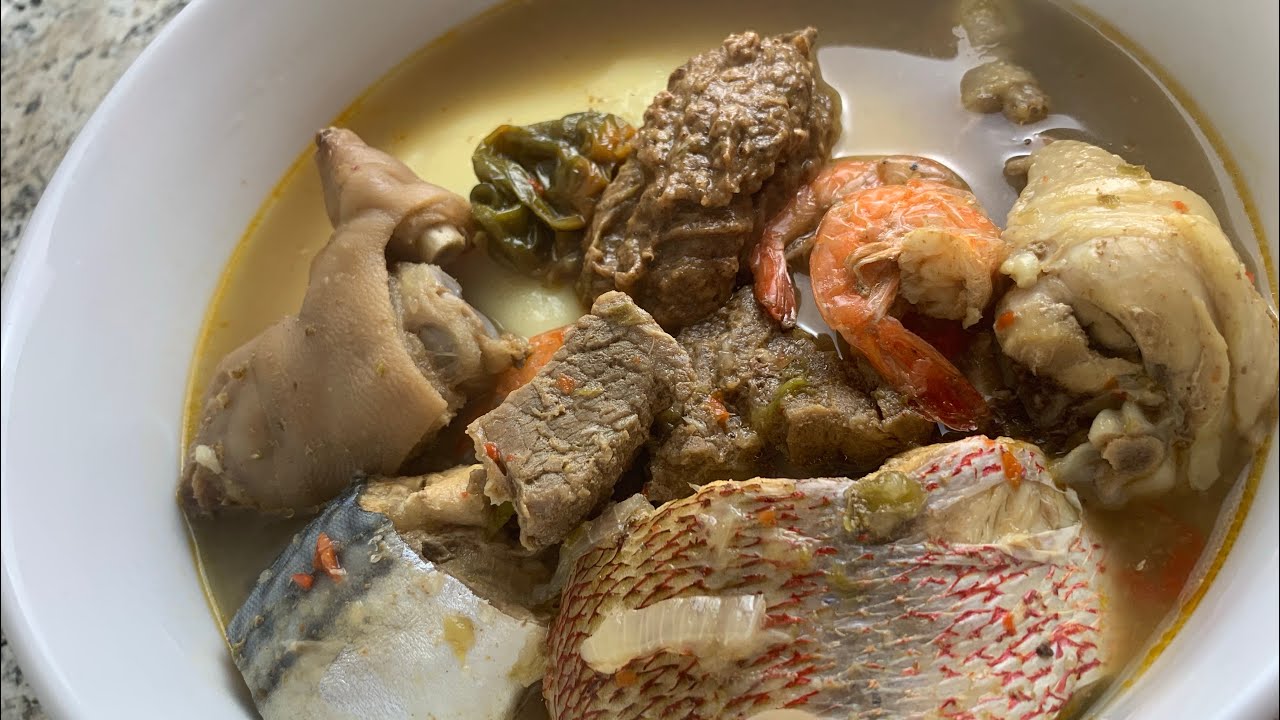
Too many visitors eat exclusively at hotel restaurants and leave without tasting actual Liberian food. That's a genuine loss. Liberian cuisine centers on dishes like pepper soup, palava sauce (a rich stew made with greens and meat or fish), fufu, and jollof rice cooked with a depth of spice that hotel kitchens rarely replicate. Seek out chop houses — informal local eateries — in Paynesville and the Red Light market area for the most authentic versions.
For a more comfortable setting without sacrificing authenticity, several Monrovia restaurants now serve traditional Liberian menus with air conditioning and reliable hygiene standards. Prices at a mid-range Liberian restaurant typically run USD 5–15 per plate. Discover the best Liberian restaurants on TrueLiberia and filter by cuisine, location, and amenities to find exactly what you're after.
4. Visit the National Museum of Liberia
Located on Broad Street in central Monrovia, the National Museum of Liberia is small by international standards but genuinely rich in context. Exhibits cover Liberian history from pre-colonial indigenous cultures through the founding of the republic in 1847, the civil war era, and into the present. The collection of traditional masks — particularly those used in Poro and Sande secret society ceremonies — is among the most significant in West Africa.
Opening hours and admission fees have varied over the years, so confirm current details before you go. Budget roughly 1.5 to 2 hours for a thorough visit. The museum sits within walking distance of Providence Island and Capitol Hill, making it easy to combine with other downtown landmarks in a single morning. According to UNESCO's Liberia heritage profile, the country holds significant intangible cultural heritage that remains underrepresented globally — the museum is a direct window into that heritage.
5. Walk Providence Island — Where Liberia Began
Providence Island, sitting in the Mesurado River estuary just off central Monrovia, is where the first freed American slaves settled in 1822, marking the origin point of modern Liberia. The island is small — you can walk it in under 30 minutes — but the historical weight is enormous. A stone monument marks the original landing site, and the views back toward the city skyline are genuinely striking.
Access is by short boat ride from the mainland, and local guides are available for a negotiated fee (expect USD 5–15 depending on group size). Go with a guide. The context they provide transforms a quiet island walk into a history lesson you'll remember. This is one of the most underrated stops for anyone serious about understanding Liberia's unique founding story — a narrative unlike any other nation's on the continent.
6. Shop at Waterside Market and Red Light Market
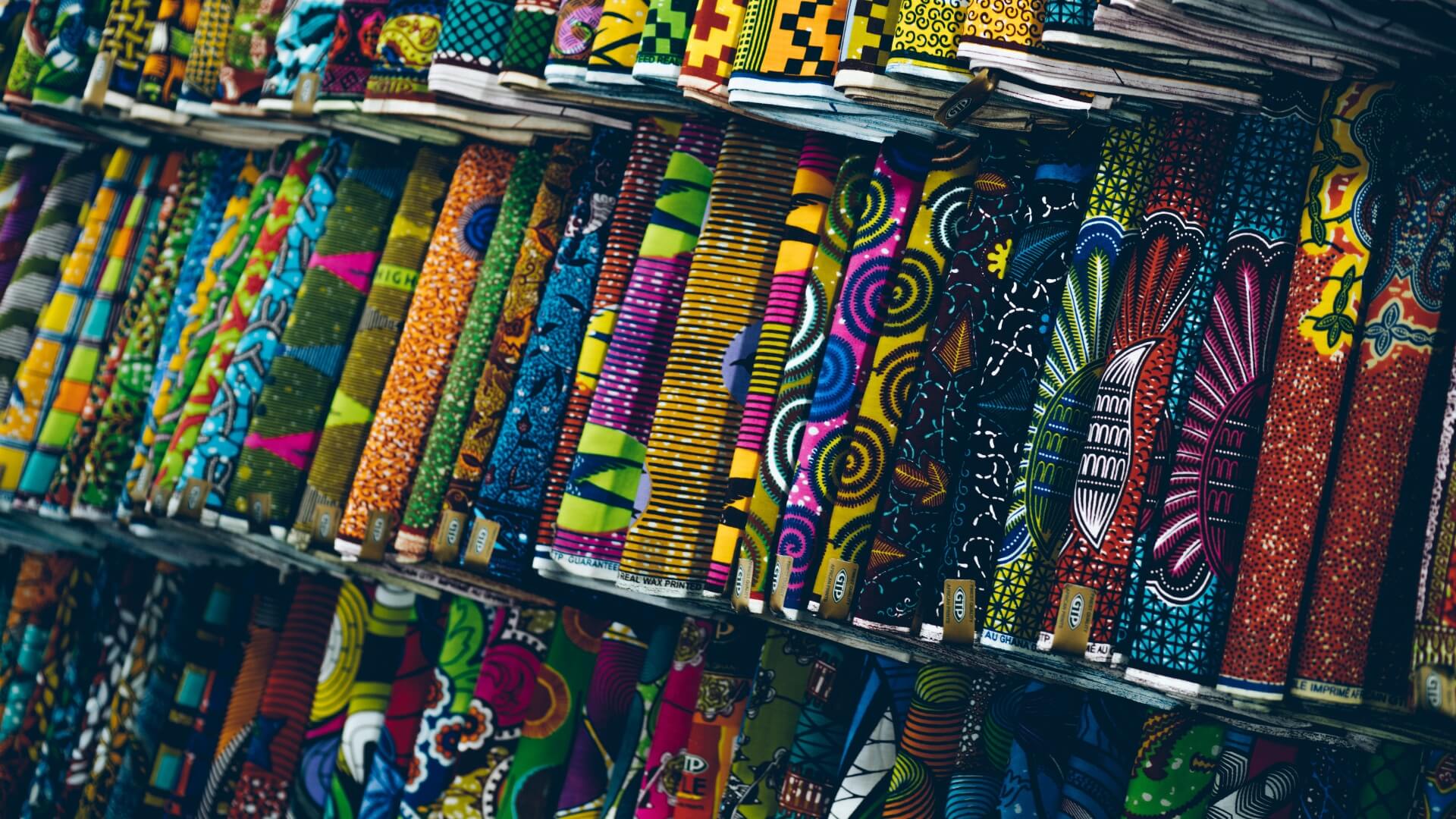
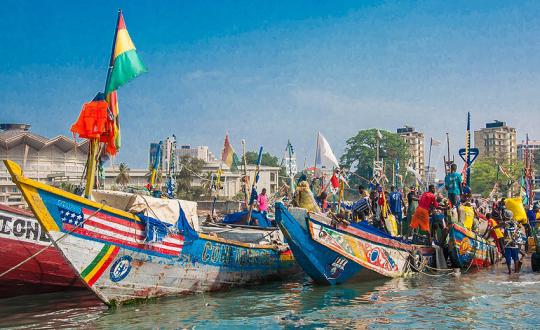
Waterside Market near the port is Monrovia's oldest commercial hub — chaotic, colorful, and completely alive. You'll find fabrics, electronics, foodstuffs, traditional crafts, and secondhand goods from across West Africa. Prices are negotiable on almost everything. Arrive with small bills, a firm but friendly demeanor, and no visible rush — vendors read urgency and price accordingly.
Red Light Market in Paynesville is larger and more sprawling, functioning as a transit hub as much as a shopping destination. It's best visited in the morning before the afternoon heat peaks. Both markets are cash-only environments. For a curated shopping experience with fixed prices and air conditioning, explore Liberian shopping businesses on TrueLiberia for malls, boutiques, and specialty stores across Monrovia.
7. Catch a Live Music Night Featuring Hipco and Afrobeats
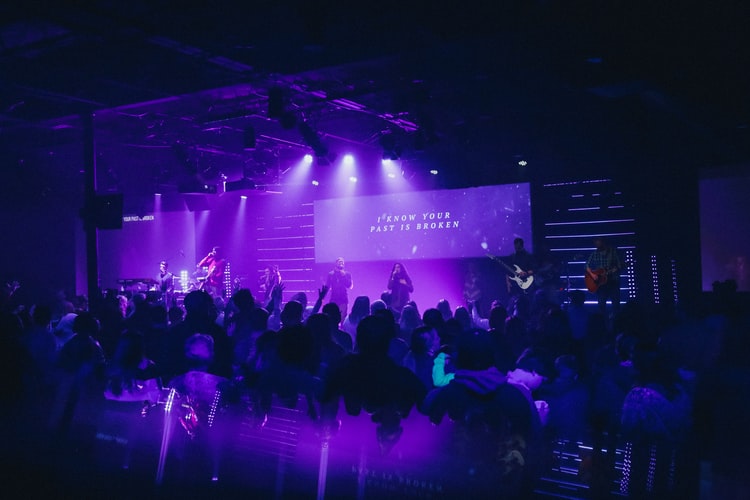
Liberia's music scene is one of West Africa's best-kept secrets. Hipco — a genre blending Liberian English (Koloqua) with hip-hop production — was born in Monrovia and remains deeply tied to the city's identity. Artists like Shadow, Takun J, and Driicky Graham have built international followings while staying rooted in local themes. Live sets happen regularly at clubs in Sinkor and at occasional outdoor festivals near the waterfront.
The best way to find upcoming events is to check social media pages for local venues and follow Liberian music blogs. Check TrueLiberia's events calendar for live music nights, cultural festivals, and entertainment listings across Monrovia. A live Hipco show is genuinely unlike anything you'll experience elsewhere — don't skip it in favor of another hotel dinner.
8. Stay at a Hotel or Resort That Puts You Close to the Action
Where you stay in Monrovia shapes everything else. The Mamba Point and Sinkor neighborhoods give you walkable access to restaurants, nightlife, and the business district. Hotels in these areas range from international-standard properties (think USD 120–200 per night) to clean, comfortable guesthouses at USD 40–70. The common mistake is booking the cheapest option in Paynesville to save money, then spending that savings — and more — on daily transport into town.
Liberia's road conditions mean that a 10-km commute can take 45 minutes during peak hours. Proximity to your planned activities is worth paying for. Browse Liberian hotels and resorts on TrueLiberia to compare locations, amenities, and pricing before you book.
9. Visit Capitol Hill and the Executive Mansion
Monrovia's Capitol Hill is home to the Liberian Legislature — a neoclassical building that reflects the American architectural influence on the republic's early design. The Executive Mansion nearby, though not open to public tours, is an imposing structure worth seeing from the street. The surrounding area also includes the Temple of Justice and several government ministries, making this the most visually coherent "civic center" district in the city.
Early mornings on weekdays are the best time to visit — traffic is lighter and the light for photography is excellent. Dress conservatively near government buildings, and always ask before photographing uniformed personnel or official structures. According to the U.S. Department of State's Liberia country page, Monrovia is the seat of all three branches of Liberian government, making Capitol Hill a genuine center of national power — not just a photo stop.
10. Relax and Recharge at a Spa or Wellness Spot
After days of markets, nightlife, and beach sun, Monrovia's growing wellness scene offers real recovery options. Several spas and beauty studios in Sinkor and Mamba Point now offer massage, facials, and body treatments at prices well below what you'd pay in Europe or North America — typically USD 25–60 for a full session. Quality varies, so reading reviews before booking matters.
This is also where TrueLiberia's directory becomes genuinely useful. Rather than relying on word-of-mouth from your hotel concierge — who may have referral arrangements — you can read verified reviews from other visitors. Find top-rated beauty and spa businesses in Liberia on TrueLiberia and book with confidence.
Plan Your Monrovia Trip the Smart Way
Monrovia rewards visitors who plan ahead and stay curious. The city's best experiences — the live music, the real Liberian food, the historical landmarks — aren't always the most visible ones. They require a bit of local knowledge and a willingness to move beyond the hotel compound.
TrueLiberia exists precisely to close that gap. Whether you're a first-time visitor, a returning diaspora member, or a business traveler with a free weekend, the platform gives you verified, up-to-date listings across restaurants, nightlife, beaches, hotels, shopping, and more — all in one place. Start exploring everything Liberia has to offer at TrueLiberia.com and build your perfect Monrovia itinerary today. Or, if you want a hand-curated experience, try the TrueLiberia Concierge service for personalized recommendations tailored to your dates, budget, and interests.
- Kendeja Beach — best for weekends, bring cash, use the resort pool as backup
- Sinkor and Mamba Point nightlife — arrive late, budget USD 20–40 per person
- Liberian restaurants — seek chop houses for authenticity, mid-range options for comfort
- National Museum of Liberia — 1.5–2 hours, pair with Providence Island
- Providence Island — hire a guide, budget USD 5–15, 30-minute walk
- Waterside and Red Light Markets — morning visits, small bills, negotiation required
- Live Hipco and Afrobeats nights — check TrueLiberia events for current listings
- Hotels in Mamba Point or Sinkor — proximity saves time and transport costs
- Capitol Hill civic district — best on weekday mornings, dress conservatively
- Spas and wellness spots — USD 25–60, read reviews before booking