Liberia tourism is having a quiet but unmistakable renaissance. Travelers who once overlooked this West African nation are now discovering what locals have always known: Liberia holds some of the most unspoiled coastline, densest rainforest, and richest layered history on the entire continent. From world-class surf breaks to colonial-era ruins, from pygmy hippos to vibrant Monrovian nightlife, the range is genuinely staggering — and the crowds haven't arrived yet. That window won't stay open forever.
This list goes beyond the usual vague mentions. Each entry includes what makes the destination worth the trip, what to watch out for, and the best time to go. Whether you're planning your first visit or you're a returning traveler looking for something new, these ten destinations represent the full spectrum of what Liberia has to offer.
1. Robertsport — West Africa's Best-Kept Surf Secret
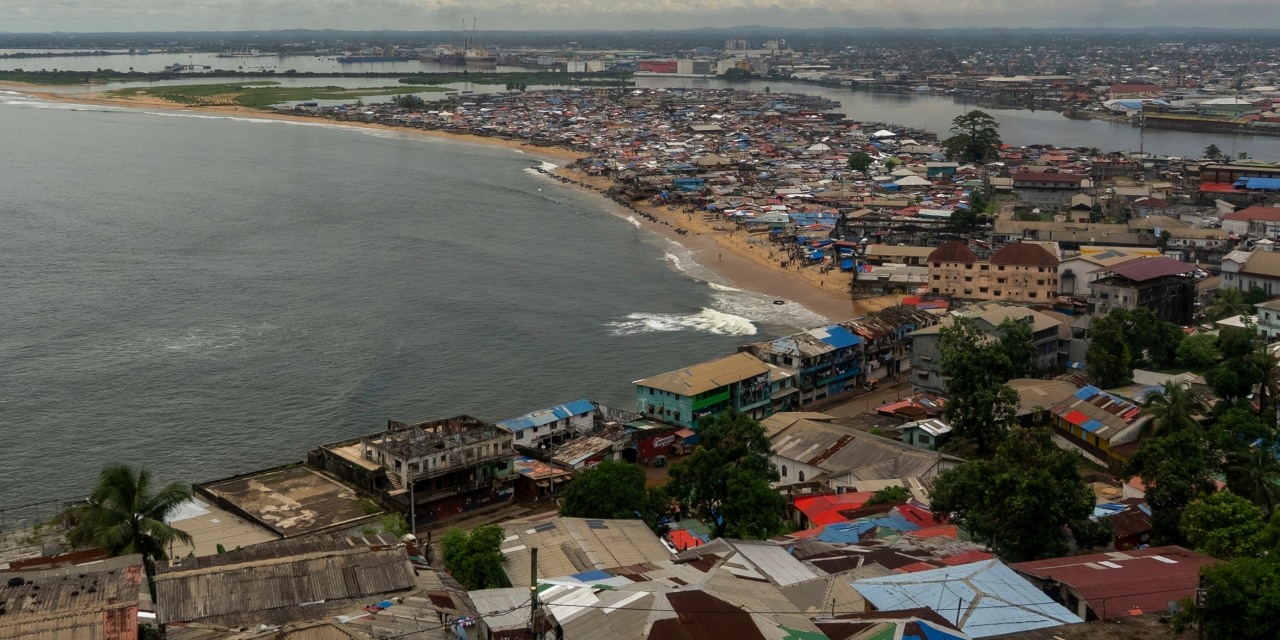
Robertsport sits about 80 kilometers northwest of Monrovia, perched where the Mano River meets the Atlantic. It consistently produces long, clean left-hand point breaks that serious surfers rank among the best in West Africa. The waves at Cassava Point and Cotton Tree Beach work best from November through March, when swells are consistent and offshore winds keep faces clean.
Beyond surfing, the town itself carries a quiet, almost cinematic atmosphere — old clapboard houses, fishing canoes, and a lake (Lake Piso is just minutes away) that creates a dramatic natural frame. Accommodation is basic but growing; a handful of guesthouses now cater specifically to surfers and adventure travelers. Go early in the week to avoid the small but growing weekend crowd from Monrovia.
- Best for: Surfing, photography, slow travel
- Best season: November to March
- Common mistake: Arriving without cash — ATMs do not exist here
2. Sapo National Park — Liberia's Rainforest Crown Jewel
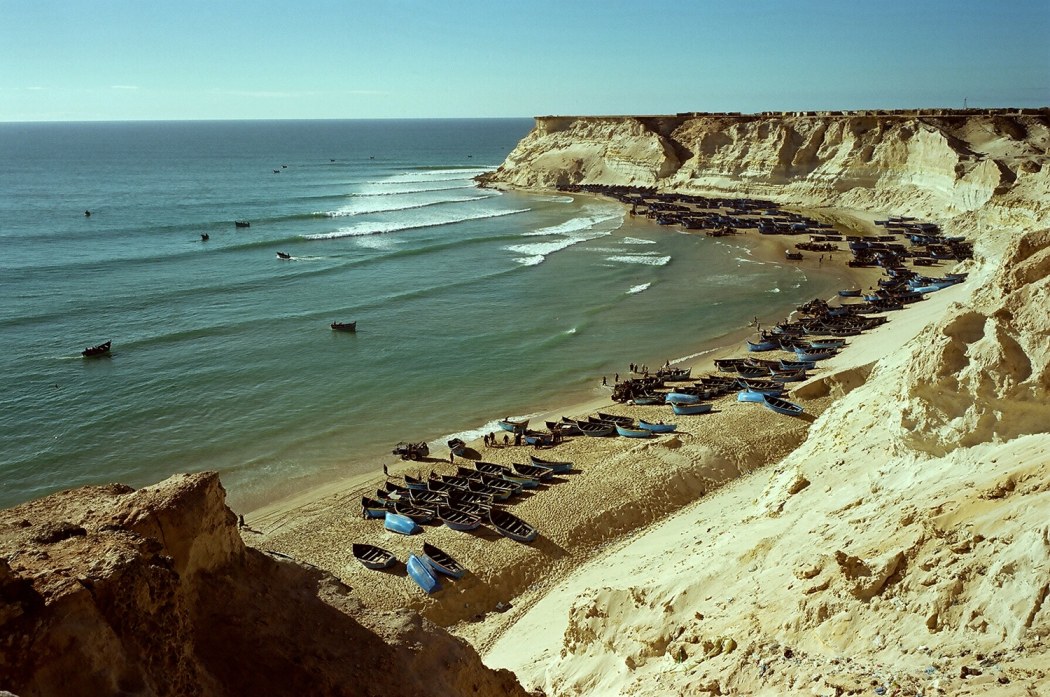
Sapo National Park is the largest protected rainforest in West Africa outside of the Congo Basin, covering roughly 180,000 hectares of primary forest in Sinoe County. It is one of the last places on Earth where you can realistically spot a pygmy hippopotamus in the wild — a species so elusive that most wildlife biologists rely on camera traps to study it. Chimpanzees, forest elephants, and over 590 bird species also call Sapo home.
Getting there requires commitment: a flight or long road journey to Greenville (Sinoe), then a boat ride up the Sinoe River. That friction is also Sapo's greatest asset — it keeps the park genuinely wild. The Liberia Forest Development Authority manages entry permits; budget at least three nights to make the journey worthwhile. Guides are mandatory and genuinely invaluable — the forest is dense enough that even experienced hikers get disoriented within minutes of the main trail.
- Best for: Wildlife watching, birding, eco-tourism
- Best season: November to April (dry season)
- Common mistake: Underestimating the logistics — book guides and transport weeks in advance
3. Providence Island — Where Liberia's Story Began
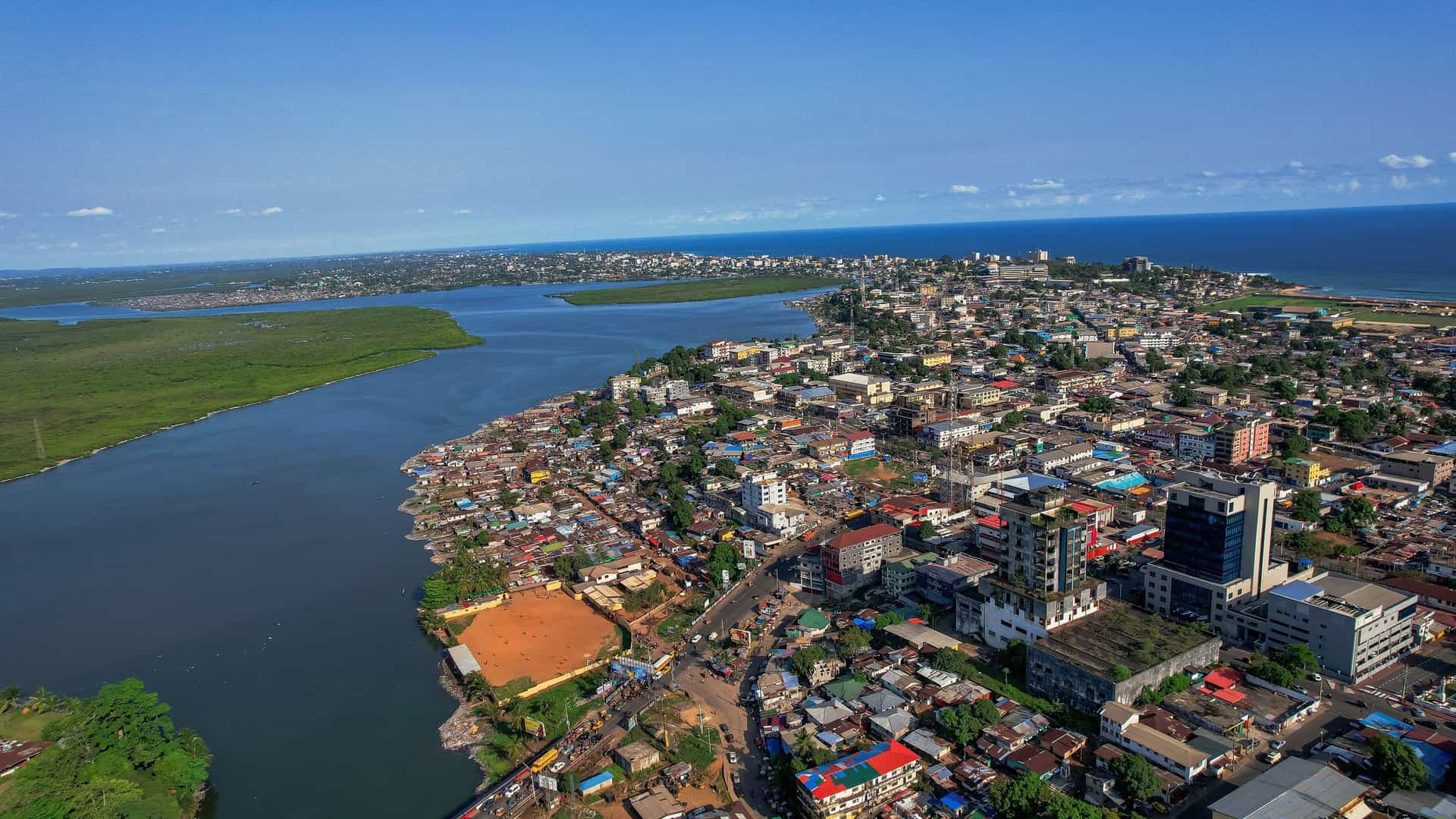
Providence Island sits in the Mesurado River estuary, just off central Monrovia. It is the founding site of modern Liberia — the spot where the first freed American and Caribbean settlers landed in 1822 under the auspices of the American Colonization Society. The island is small enough to walk in under 20 minutes, but its historical density is extraordinary: remnants of the original settlement, a lighthouse, and views back toward the Monrovia skyline that feel almost surreal given the weight of what happened here.
Access is by short boat ride from the Monrovia waterfront. There is no formal ticketing system yet, which means the experience is raw and unmediated — a genuine historical site rather than a polished museum set. Bring water, wear closed shoes, and hire a local guide who can fill in the oral history that no signage currently captures. For context before you go, the Library of Congress's African American Odyssey collection provides excellent background on the colonization movement.
- Best for: History, culture, photography
- Best season: Year-round (mornings are cooler)
- Common mistake: Rushing — allow at least two hours
4. Lake Piso — A Lagoon Landscape Unlike Anything Else
Lake Piso is Liberia's largest coastal lagoon, stretching across roughly 70 square kilometers near Robertsport in Grand Cape Mount County. The lake is separated from the Atlantic by a narrow strip of land, creating a dual landscape — open ocean on one side, calm, mangrove-fringed water on the other. Bird life here is exceptional: kingfishers, herons, and migratory shorebirds concentrate along the shoreline in numbers that would impress even seasoned birders.
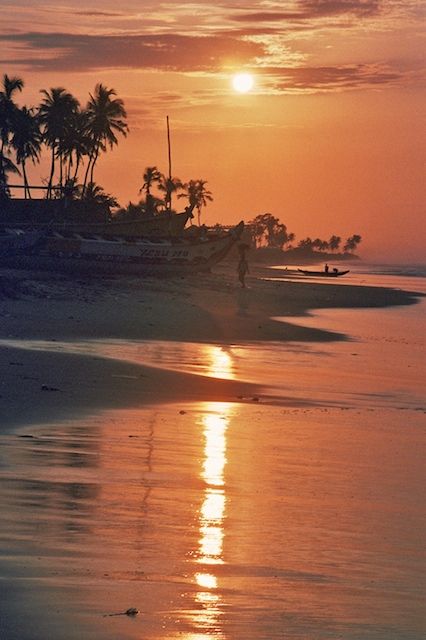
Fishing villages dot the lake's edge, and local fishermen will often take visitors out by dugout canoe for a modest fee — typically the equivalent of a few US dollars. Sunset over Lake Piso, with the Atlantic glittering in the background, is one of those views that makes you understand why travelers who've been here talk about Liberia the way they do. Pair it with a Robertsport surf session for a near-perfect day trip from Monrovia.
- Best for: Birding, photography, cultural encounters
- Best season: November to February
- Common mistake: Skipping the canoe ride — it's the best way to see the lagoon
5. Monrovia — A Capital City That Rewards Curiosity
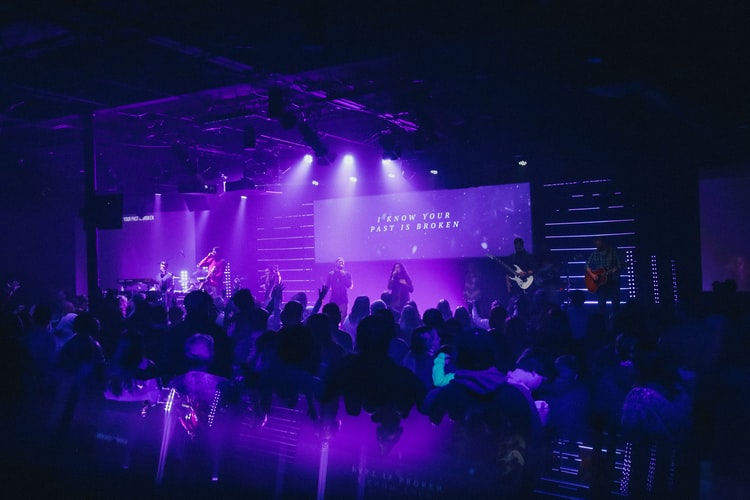
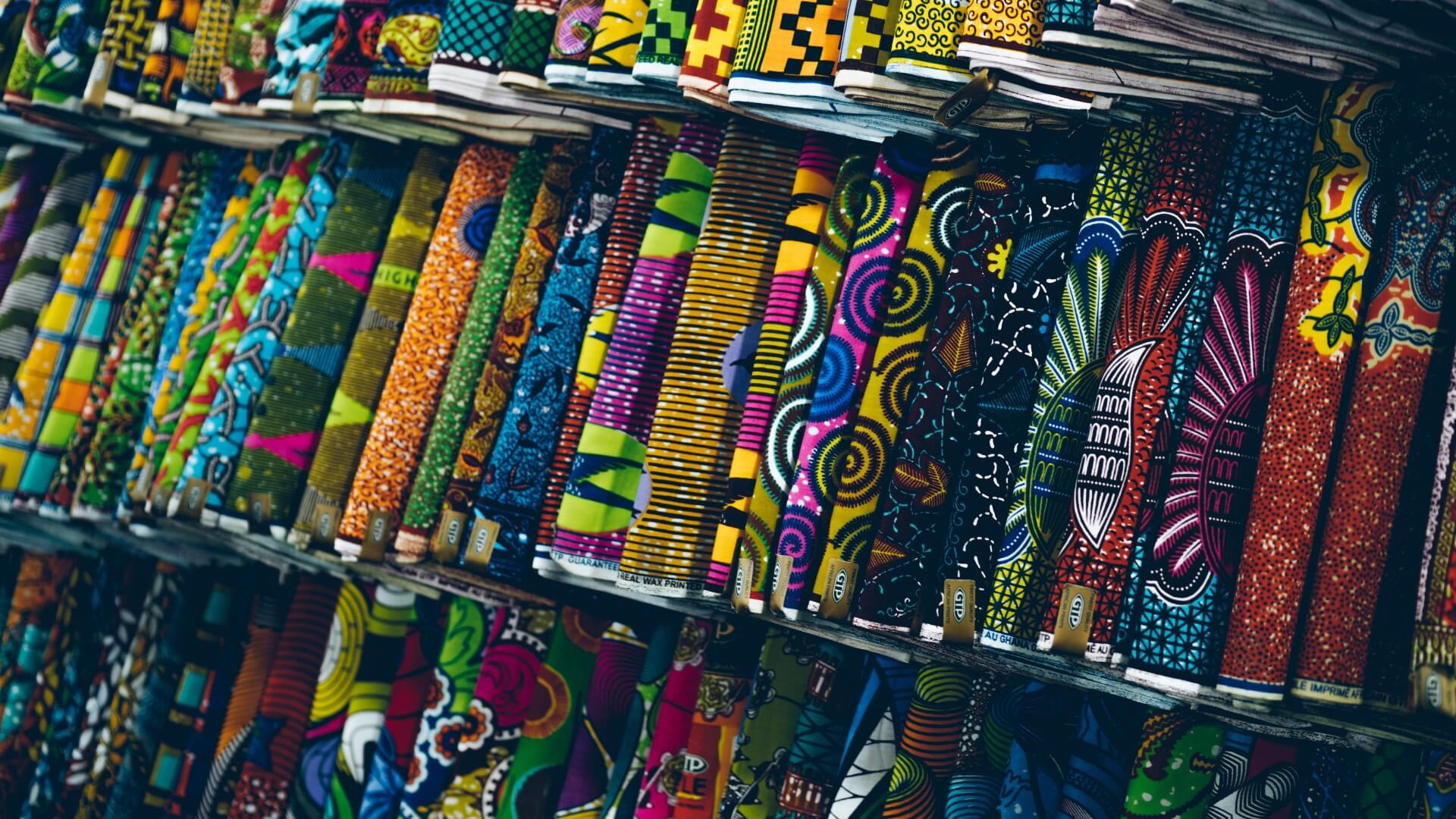
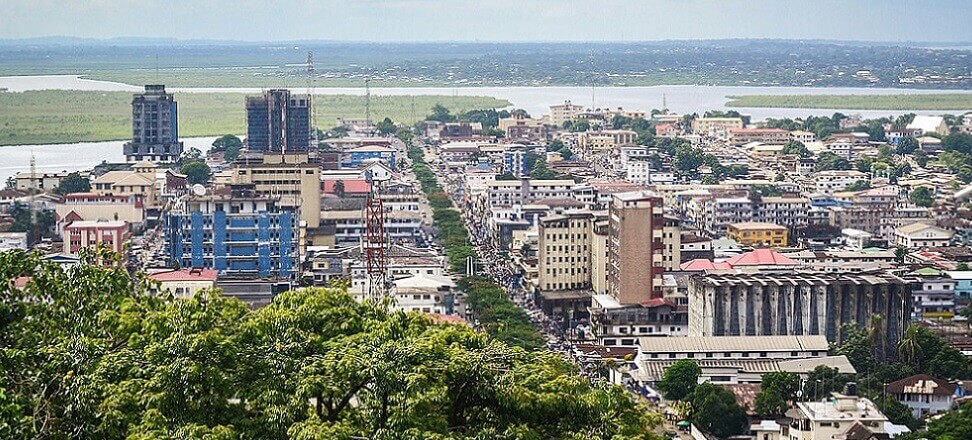
Most itineraries treat Monrovia as a transit point. That's a mistake. The capital is a layered, contradictory, and genuinely fascinating city — colonial-era architecture crumbling beside gleaming new builds, street food stalls competing with rooftop bars, and a music scene (Afrobeats, hipco, gospel) that pulses every night of the week. The Waterside Market is a sensory overload in the best possible way: textiles, produce, electronics, and street food packed into a few chaotic blocks.
The Ducor Palace Hotel ruins on Ducor Hill offer a haunting panoramic view of the city and the Atlantic — the abandoned shell of what was once West Africa's finest hotel tells a compressed version of Liberia's 20th-century story. For dining and nightlife, Monrovia punches well above its size. Explore the city's best restaurants and bars through TrueLiberia's restaurant listings or browse Monrovia's nightlife scene to plan your evenings.
- Best for: Food, nightlife, history, urban exploration
- Best season: Year-round
- Common mistake: Not budgeting enough time — two days minimum
6. Kpatawee Waterfall — Nimba County's Hidden Cascade
Located in Nimba County near the town of Gbarnga, Kpatawee Waterfall is one of Liberia's most photogenic natural features. The falls drop roughly 30 meters into a clear pool surrounded by forest — the kind of scene that earns a waterfall its own Instagram hashtag, except almost nobody outside Liberia has seen it yet. A small eco-resort near the site provides basic accommodation and local guides.
The road from Monrovia to Gbarnga has improved significantly in recent years, making this a realistic day trip or overnight excursion. Dry season visits (November to April) guarantee the access road is passable and the pool is swimmable. Wet season can make the falls more dramatic but the roads genuinely treacherous — a 4WD vehicle is non-negotiable if you attempt it between May and October.
- Best for: Swimming, hiking, photography
- Best season: November to April
- Common mistake: Attempting the wet-season road without a 4WD
7. Buchanan — Liberia's Underrated Beach Town
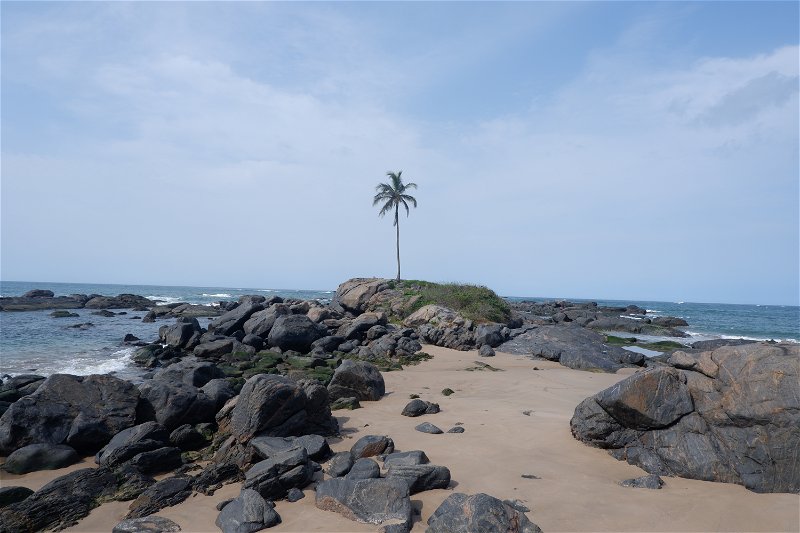
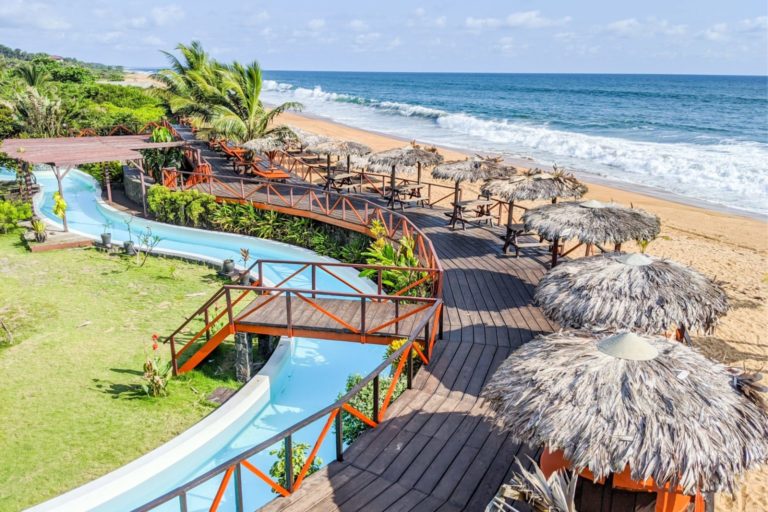
Buchanan is Liberia's second-largest city and the capital of Grand Bassa County, sitting about 180 kilometers southeast of Monrovia. It has a working port, a relaxed pace, and beaches that are cleaner and less crowded than anything in the capital. The stretch of coast near Buchanan is ideal for long, undisturbed walks — the kind where you might cover two kilometers without seeing another footprint.
The town also serves as a practical jumping-off point for trips further southeast toward Greenville and Sapo National Park. Accommodation options are limited but functional; a few guesthouses near the port offer clean rooms at reasonable rates. Buchanan rewards travelers who appreciate authenticity over infrastructure — it's a real Liberian town going about its business, not a destination constructed around visitors.
- Best for: Beach walks, local culture, transit hub
- Best season: November to March
- Common mistake: Expecting resort-style facilities — this is authentic, not polished
8. Firestone Natural Rubber Plantation — Industrial History on a Massive Scale
The Firestone plantation in Margibi County is not a conventional tourist attraction, but it is one of the most thought-provoking places in Liberia. Established in 1926 under a controversial concession agreement, it covers roughly 190 square miles — making it one of the largest rubber plantations in the world. Rows of Hevea brasiliensis trees stretch to the horizon in a pattern so geometric it feels almost architectural.
Guided tours are available and provide a frank, nuanced look at the plantation's economic and social history — including the labor disputes and human rights concerns documented by organizations like Human Rights Watch. This is the kind of destination that complicates easy narratives, which is precisely what makes it worth visiting. The plantation town of Harbel, built to house workers, is a fascinating artifact of mid-20th-century corporate urbanism.
- Best for: History, economics, photography
- Best season: Year-round
- Common mistake: Visiting without a guide — context is everything here
9. Cape Mount — Mountains, Beaches, and a UNESCO-Adjacent Landscape
Cape Mount rises dramatically from the Atlantic coastline in Grand Cape Mount County, offering one of the most striking natural silhouettes in West Africa. The mountain itself reaches about 300 meters and can be hiked in a half-day with a local guide. Views from the summit take in Lake Piso, the Atlantic, and the Sierra Leone border — a panorama that makes the climb immediately worthwhile.
The area around Cape Mount also contains the ruins of old colonial-era buildings and a mosque that predates the founding of Liberia, pointing to the region's deep pre-colonial trading history. Travelers interested in connecting West African history across borders will find this area particularly rich. The UNESCO World Heritage Convention has noted Liberia's potential for heritage site nominations in this region.
- Best for: Hiking, panoramic views, history
- Best season: November to March
- Common mistake: Attempting the summit without a guide — trails are unmarked
10. Marshall — Crocodiles, Beaches, and Day-Trip Perfection
Marshall is a small coastal town about 45 kilometers east of Monrovia, famous among locals for two things: a wide, clean beach and a creek where dwarf crocodiles can be spotted in the wild. The beach at Marshall is one of the most accessible good beaches near the capital — a straight, palm-backed stretch of Atlantic coast with enough wave energy to be interesting without being dangerous for casual swimmers.
The crocodile creek visit is typically arranged through local guides who know exactly where to look. It's a genuinely wild encounter — these are not captive animals — so respect for the wildlife and your guide's instructions is non-negotiable. Marshall works perfectly as a half-day or full-day excursion from Monrovia, and it's a great introduction to Liberia's natural side for first-time visitors who don't have time for Sapo. For more outdoor and beach options across Liberia, browse TrueLiberia's beaches and outdoors listings to find more hidden gems.
- Best for: Beach day trips, wildlife, families
- Best season: Year-round (avoid heavy rain months June–September)
- Common mistake: Skipping the crocodile creek — it's the highlight
Planning Your Liberia Tourism Trip: Practical Notes
A few things most travel guides gloss over. First, cash is king outside Monrovia — USD is widely accepted and preferred. Second, road conditions vary enormously by season; a trip that takes two hours in January can take six in August. Third, malaria prophylaxis is non-negotiable — consult a travel medicine clinic before departure.
Liberia does not yet have a mass tourism infrastructure, and that is honestly part of its appeal. You will encounter genuine hospitality, uncrowded beaches, and wildlife encounters that cost a fraction of what they would in East Africa. The trade-off is that you need to plan more carefully and carry more flexibility. For accommodation options across the country, explore Liberia's hotels and resorts on TrueLiberia to find options that match your budget and location.
Liberia's tourism sector is growing, but the best version of a Liberia trip — the one with empty beaches, honest encounters, and stories nobody else has — is available right now, before the infrastructure catches up. Don't wait for the crowds to arrive before you do.
Ready to start planning? Use TrueLiberia's concierge service to get locally grounded recommendations tailored to your travel dates, interests, and budget. Discover what makes Liberia one of West Africa's most compelling destinations — on your own terms.