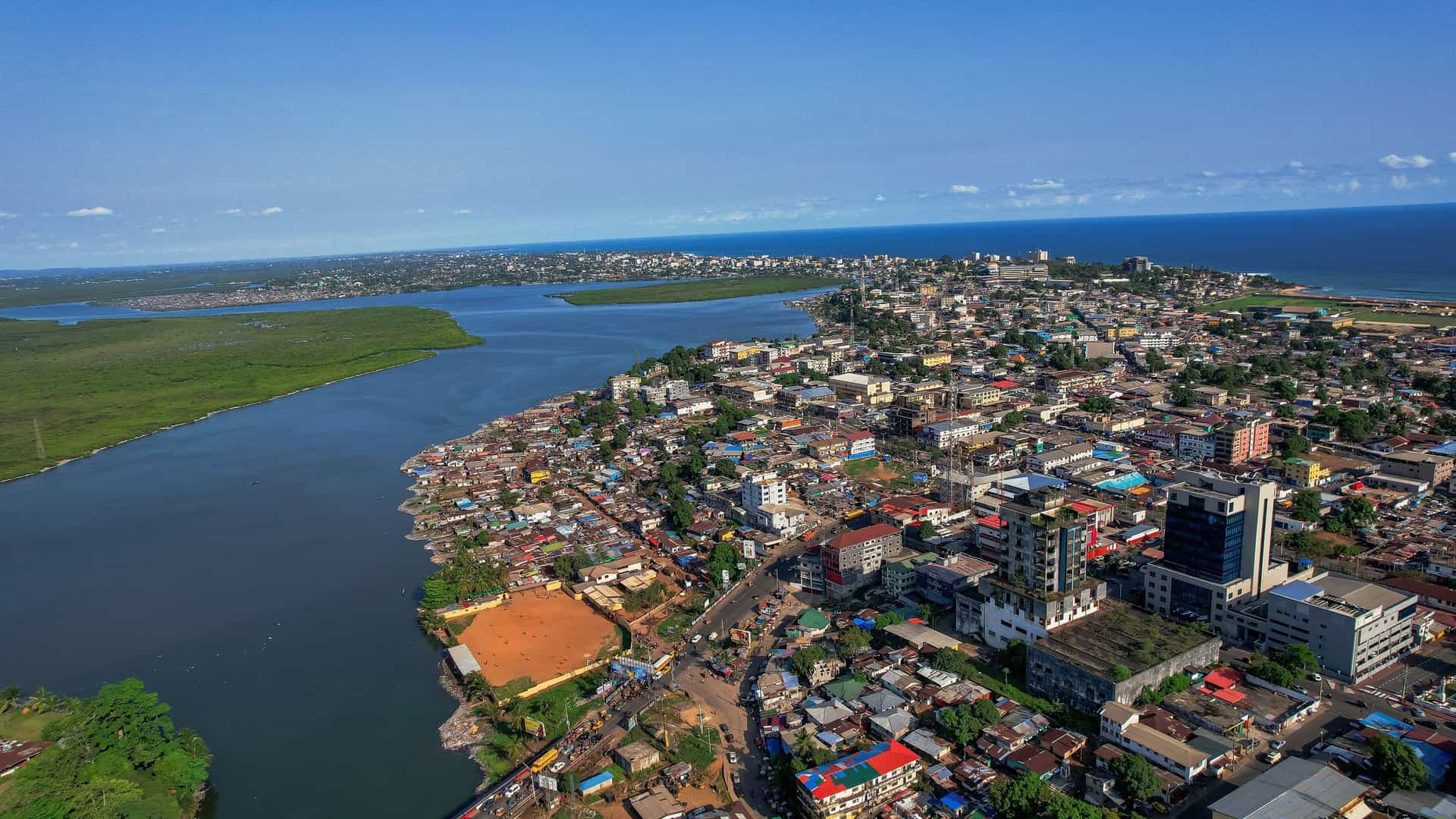
Why Monrovia, Liberia Deserves a Spot on Your Travel List
Most travelers flying into Monrovia, Liberia arrive with a rough mental sketch — a coastal West African capital, warm people, and a complex history. What they find surprises them: a city of raw energy, Atlantic-facing beaches, a food scene that blends Liberian soul food with international flavors, and a hospitality industry quietly rebuilding into something worth celebrating. This guide cuts through the outdated narratives and gives you a practical, honest map of what Monrovia offers right now — from the best spots to eat and sleep to the beaches, nightlife, and cultural corners that make the city genuinely worth exploring.
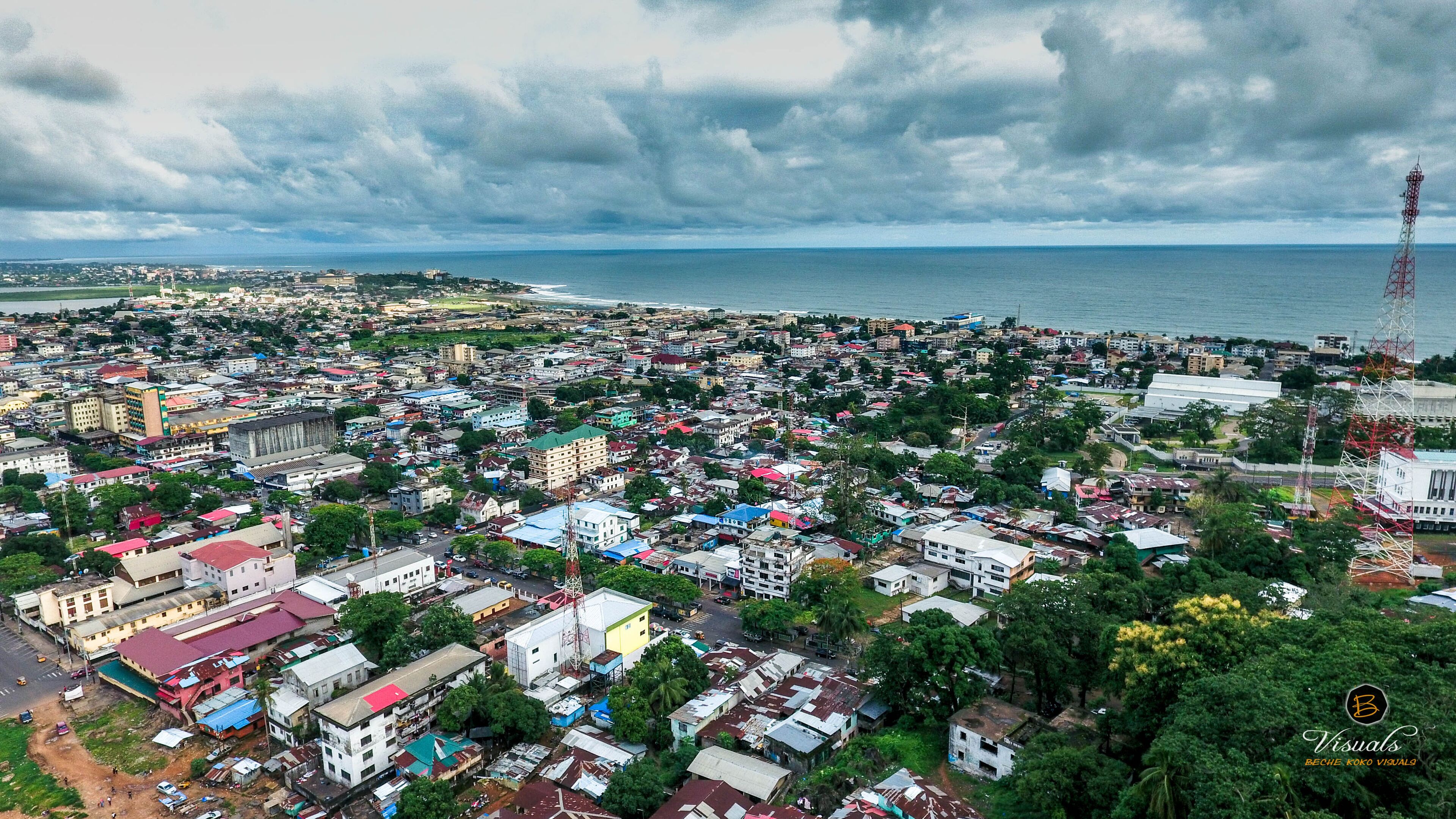
Liberia's tourism authority has been actively investing in destination marketing and visitor experience improvements, signaling that the timing to visit is better than it has been in years. Whether you're a first-time visitor, a member of the Liberian diaspora returning home, or a regional traveler curious about West Africa's underrated gems, Monrovia rewards the curious and the prepared.
Getting to Monrovia: Flights and First Steps
Roberts International Airport (ROB), located about 60 kilometers east of central Monrovia in Harbel, is the main entry point. Several regional carriers — including Brussels Airlines, Air Maroc, and Ethiopian Airlines — connect Monrovia to major African hubs and European cities. Direct flights from the United States are not yet common, so most North American travelers connect through Brussels, Casablanca, or Addis Ababa.
The drive from Roberts International to central Monrovia takes 60–90 minutes depending on traffic. Negotiate a fixed fare with a reputable taxi before you leave the airport — expect to pay roughly USD $30–$50 for the transfer. Alternatively, some hotels offer airport pickup; confirm this when booking. For up-to-date flight options, check the TrueLiberia flights page for connections relevant to Liberia-bound travelers.
Visa requirements depend on your nationality. Most visitors need a visa in advance, obtainable through Liberian embassies abroad. The Liberia Tourism Authority publishes current entry requirements — check there before booking.
Best Restaurants in Monrovia: Where Locals Actually Eat
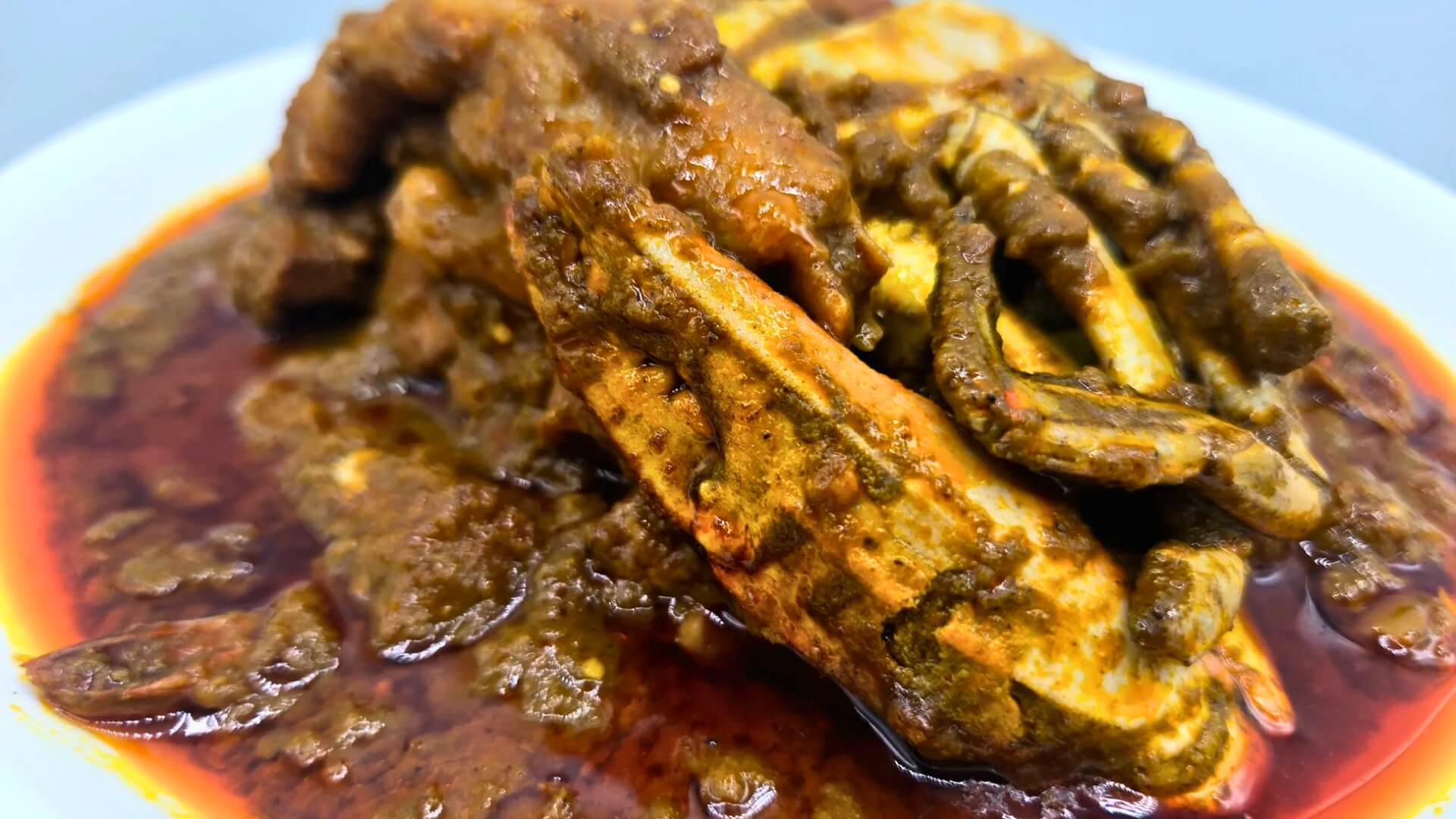
The Monrovia restaurant scene is more layered than most travel blogs admit. Yes, there are international hotel restaurants serving safe, predictable menus. But the more interesting story is in the mid-range and local spots where Liberian cuisine — palm butter soup, fufu, jollof rice, pepper soup, and cassava leaf stew — is cooked with genuine care and served at prices that won't shock your wallet.
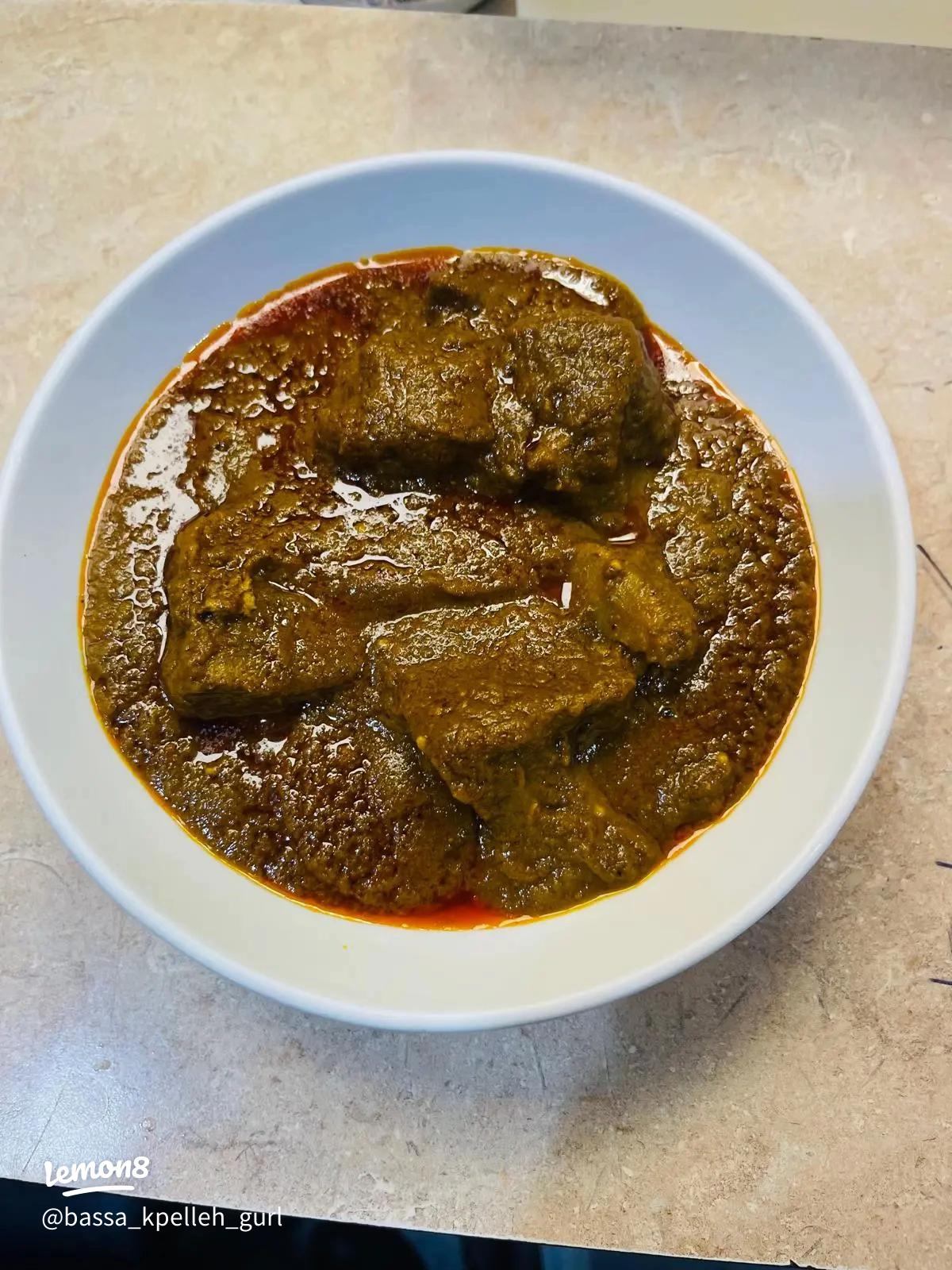
A few categories worth knowing:
- Beachside grills: Spots along Mamba Point and Sinkor serve grilled fish and lobster caught the same day. Prices are negotiable; arrive before 7 PM for the freshest catch.
- Lebanese restaurants: Monrovia has a long-established Lebanese community, and their restaurants — concentrated in Sinkor and Congo Town — offer reliable shawarma, grilled meats, and mezze at moderate prices.
- Hotel dining rooms: The Farmington Hotel and Mamba Point Hotel both maintain kitchens that cater to international palates while incorporating local ingredients. Expect to pay USD $15–$35 per main course.
- Local chop shops: These informal eateries serve rice-based plates with protein and sauce for under USD $3. They're the real backbone of daily eating in Monrovia.
One common mistake visitors make: skipping local restaurants entirely out of food-safety anxiety. The smarter move is to ask your hotel or a local contact for specific recommendations rather than defaulting to the hotel buffet every night. Freshly cooked, hot food from a busy local spot is generally safe — and far more memorable. Browse Monrovia restaurants on TrueLiberia to find vetted options across every category and budget.
Monrovia's Best Beaches: Atlantic Access Without the Crowds
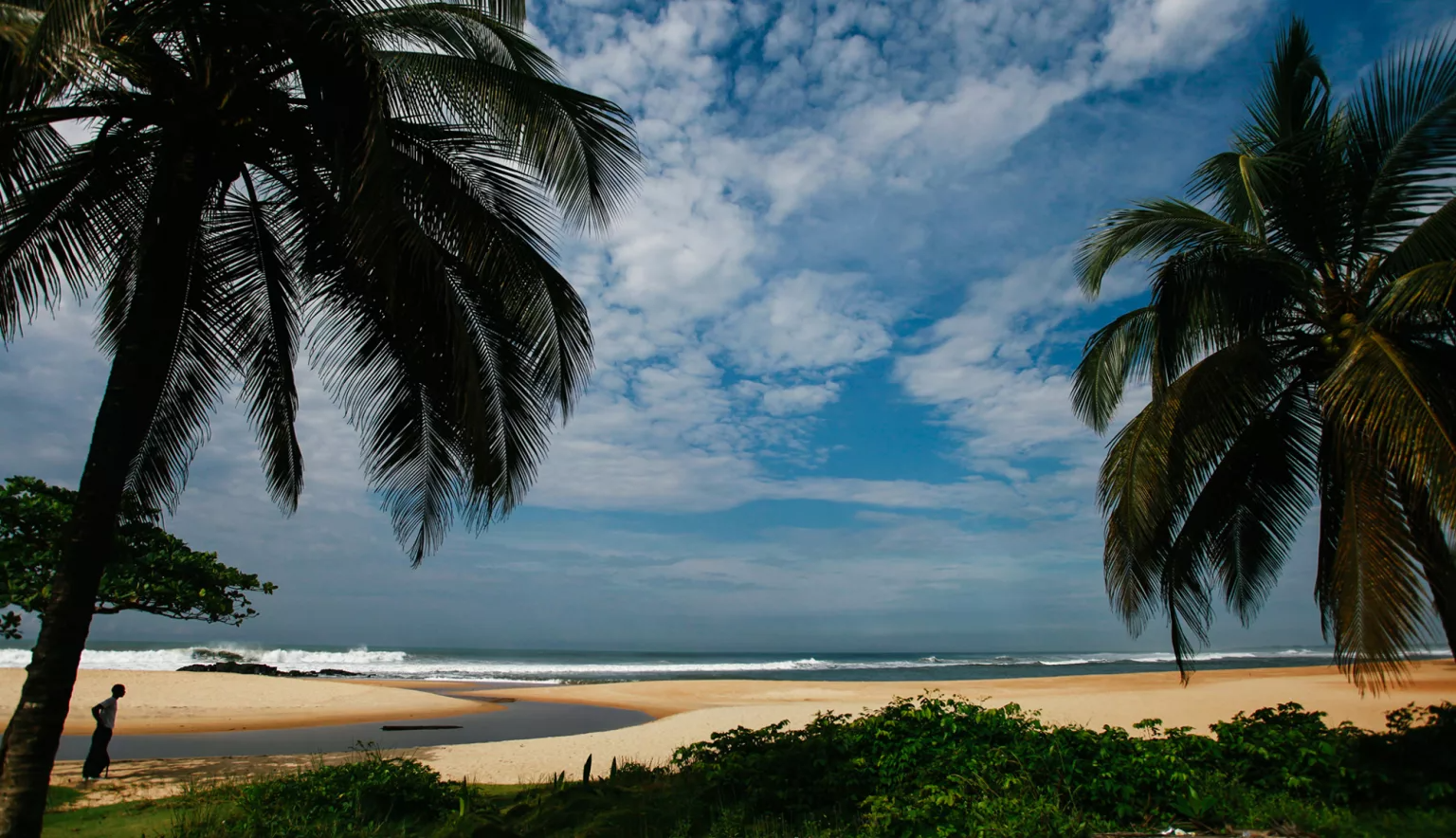
This is where Monrovia quietly outperforms much of West Africa. The city sits on a peninsula flanked by the Atlantic Ocean and the Mesurado River, giving it beach access that larger, more-visited capitals simply don't have. The water is warm year-round, and outside of peak weekend afternoons, several beaches remain genuinely uncrowded.
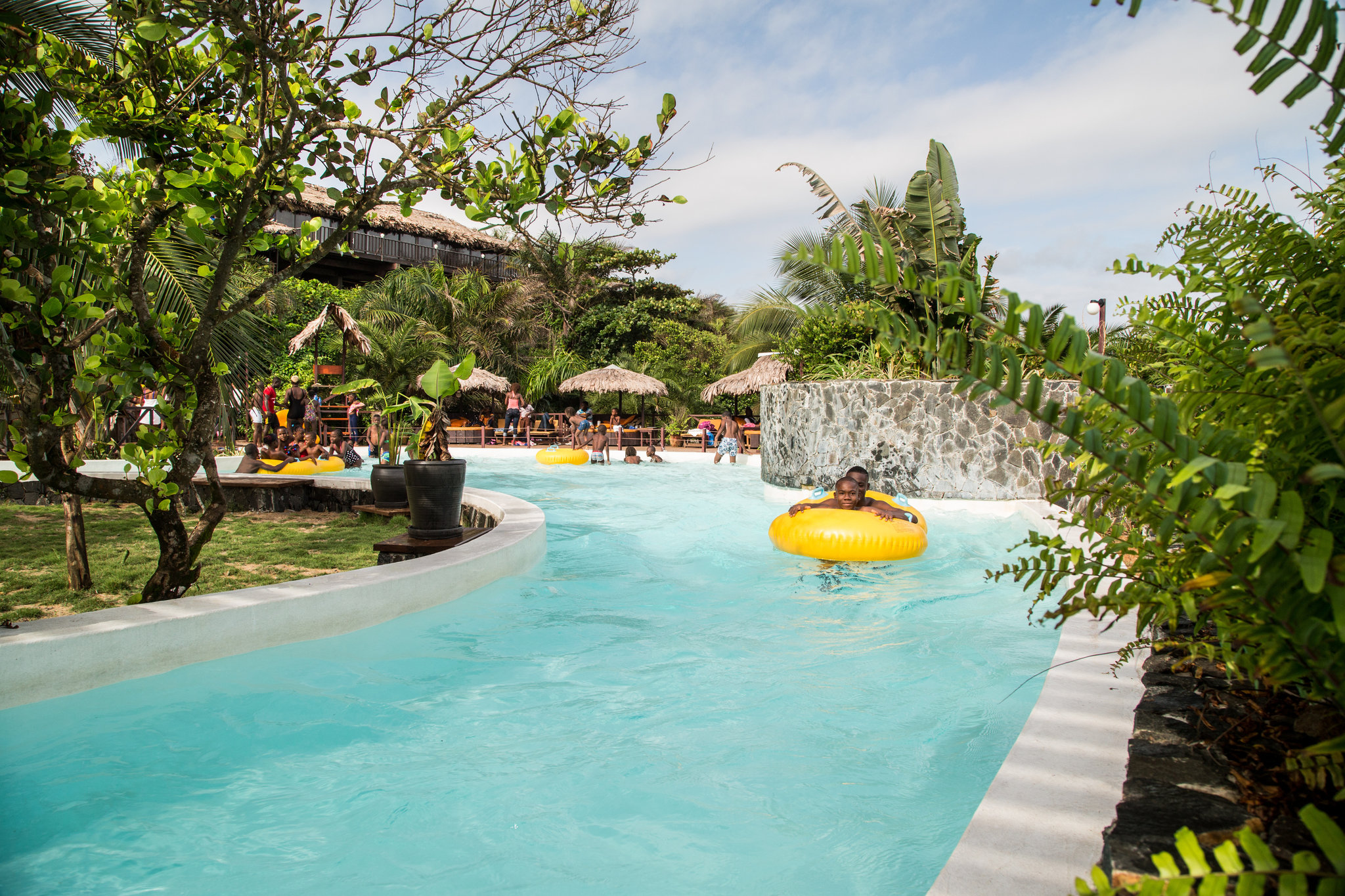
- Kendeja Beach: The most organized beach experience near Monrovia. The Kendeja Resort sits here, with beach chairs, a bar, and a pool. Good for families and first-timers who want structure.
- Elwa Beach: A longer, wilder stretch south of the city. Fewer facilities, stronger surf — not ideal for weak swimmers, but spectacular for those who want raw Atlantic coastline.
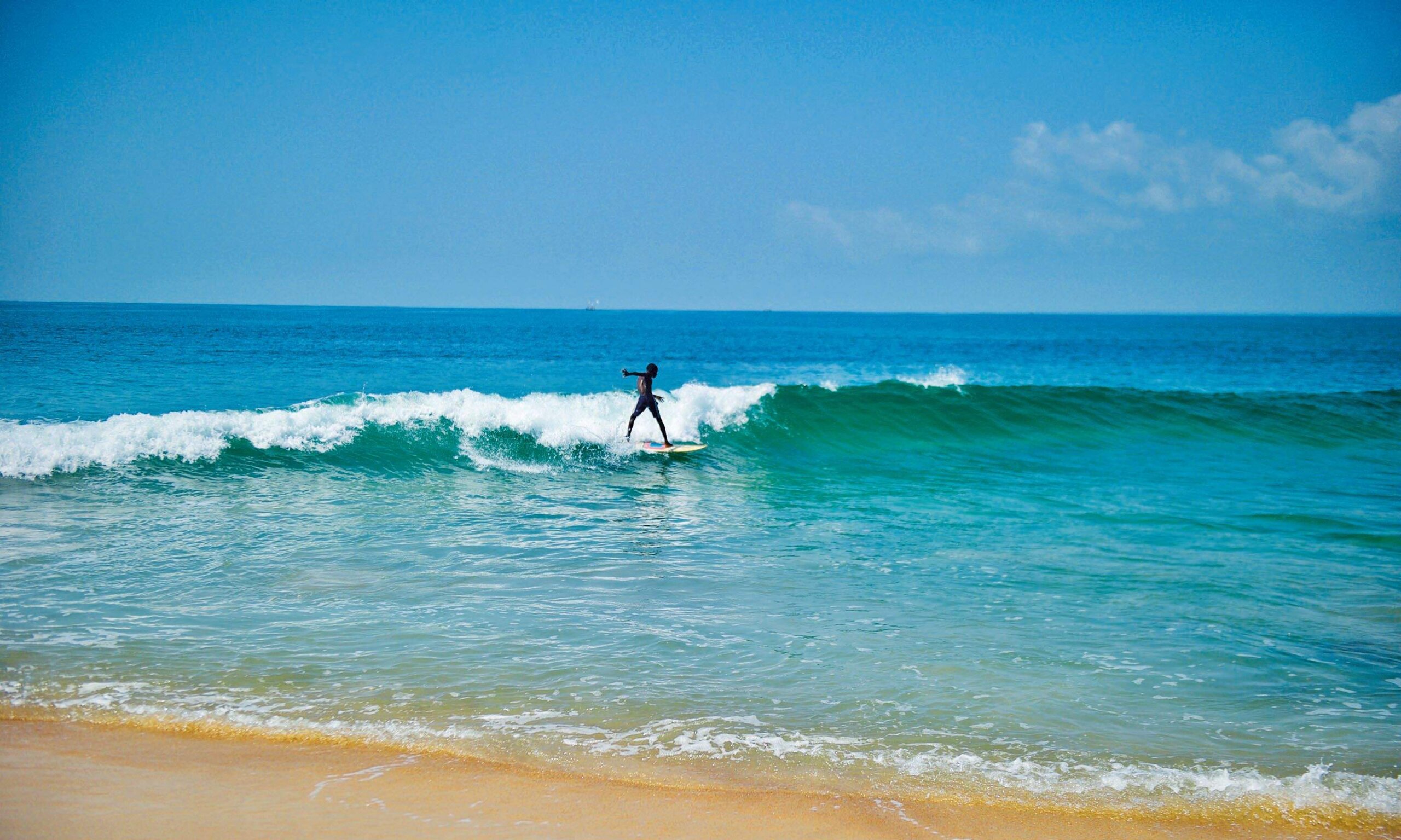
- Robertsport: Technically a three-hour drive from Monrovia, but worth the trip. Robertsport has earned a quiet reputation among West African surfers for its consistent point break. Lonely Planet's Liberia guide consistently highlights it as the country's top beach destination.
- Silver Beach: Close to the city center, popular with locals on weekends. Vendors sell grilled fish and cold drinks; the vibe is festive and social.
A practical note on beach safety: ocean currents along Liberia's coast can be powerful. Always ask locals about conditions before swimming. Riptides are a real risk at certain spots, especially after rain. Discover more outdoor and beach options through the TrueLiberia beaches and outdoors directory.
Hotels and Resorts in Monrovia: Honest Picks Across Every Budget
Monrovia's hotel market has improved significantly since 2015. The upper tier is anchored by a handful of well-run properties; the mid-range is growing; budget options exist but require more research to find ones that are clean and reliable.
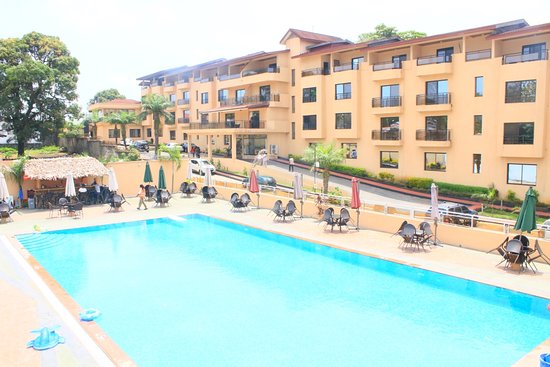
Upper tier (USD $150–$300/night): The Farmington Hotel in Congo Town is the most consistently praised property in Monrovia — solid rooms, dependable Wi-Fi, a good restaurant, and proximity to embassies and major businesses. Mamba Point Hotel offers ocean views and a rooftop bar that's become a social hub for expats and business travelers. Both accept bank cards, which matters in a city where cash is still king in many settings.
Mid-range (USD $60–$150/night): Several guesthouses in Sinkor and Mamba Point offer clean, air-conditioned rooms with breakfast included. These properties often book up fast during conference season (typically September–November), so reserve at least two weeks in advance.
Budget options (under USD $60/night): Exist, but vet them carefully. Read recent reviews, confirm generator backup power (load-shedding is common), and ask whether the rate includes filtered water. The savings rarely justify the trade-off in comfort or reliability for most visitors.
For a curated list of hotels and resorts across all budget levels, explore the TrueLiberia hotels directory — it's the most up-to-date local resource for verified Liberian accommodation.
Nightlife and Entertainment: Monrovia After Dark
Monrovia's nightlife has a reputation that precedes it — and for good reason. The city plays hard on weekends. Clubs in Sinkor and Congo Town run well past midnight, with Afrobeats, hip-hop, and Liberian music filling the air from Thursday through Sunday. The crowd is young, dressed sharply, and in a good mood.
A few things to know before you go out:
- Start late. Clubs don't fill up until 11 PM or later. Arriving at 9 PM means you'll be sitting in an empty room.
- Dress code matters. Mid-to-upper-tier clubs enforce dress codes. Sneakers and shorts will get you turned away at the door.
- Transportation: Arrange a trusted taxi or driver for the night before you head out. Don't rely on finding a ride at 2 AM.
- Cover charges typically run USD $5–$20 depending on the venue and whether a live act is performing.
Beyond clubs, Monrovia has a growing bar scene with rooftop spots offering ocean breezes and cocktails. The Mamba Point Hotel rooftop is a reliable, safer option for those who want atmosphere without the full club experience. Find verified nightlife venues through the TrueLiberia nightclubs and bars directory.
Cultural Attractions and Things to Do in Monrovia
The cultural layer of Monrovia is one its most underappreciated assets. The city carries the weight of a complicated history — American colonization, civil war, Ebola — and it processes that history in public, visible ways that are worth engaging with honestly.
- The National Museum of Liberia: Located in central Monrovia, the museum holds artifacts, traditional masks, and historical documents that trace Liberian history from pre-colonial times through the present. Entry is inexpensive; budget 90 minutes.
- Providence Island: The site where freed American slaves first landed in 1822. A small bridge connects it to the mainland. The island is quiet and historically significant — a worthwhile stop that most visitors skip.
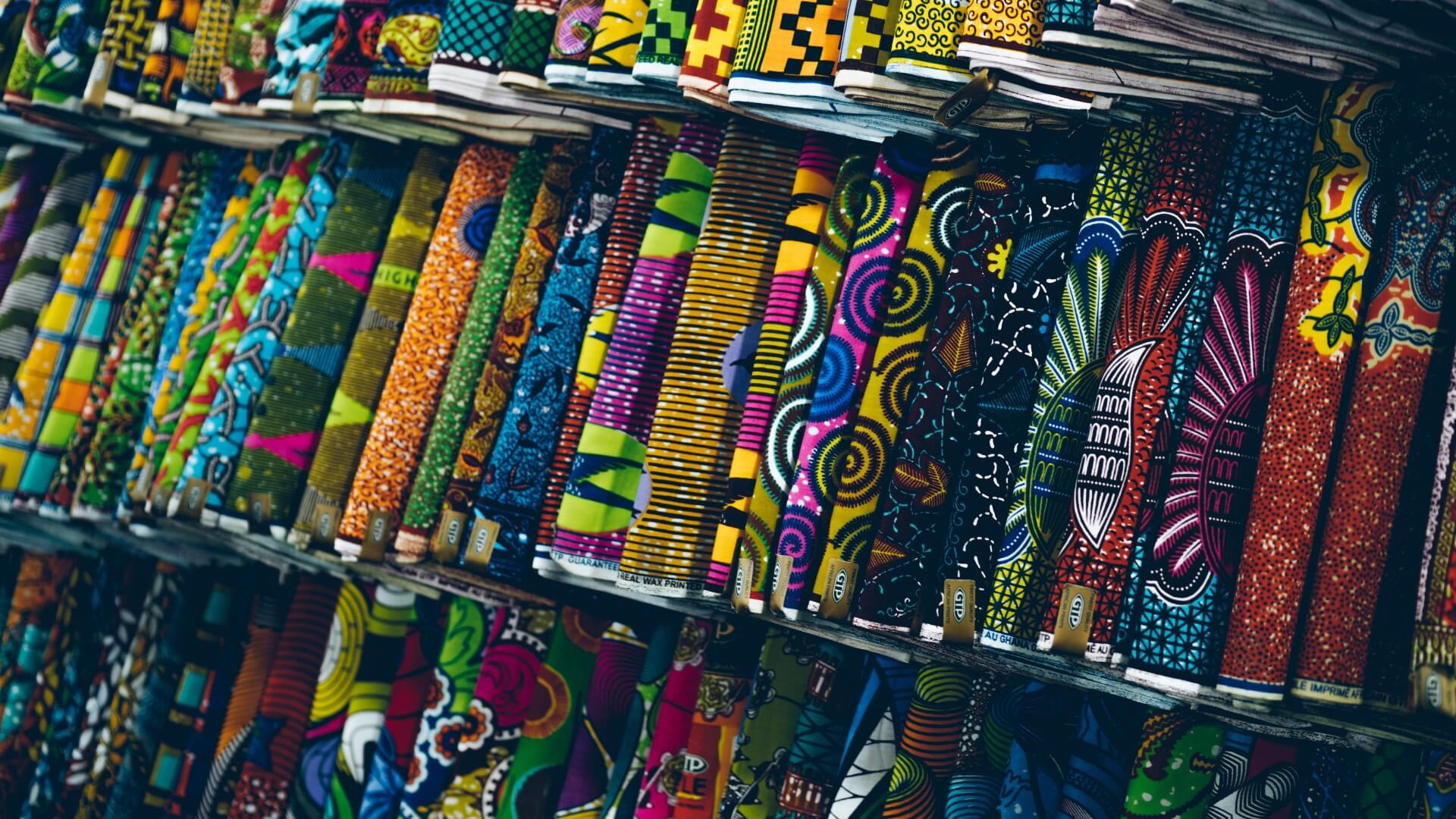
- Waterside Market: The city's main open-air market near the waterfront. Chaotic, loud, and completely alive. Buy local crafts, fabrics, and produce. Keep your bag close and your phone in a pocket.
- Ducor Hotel ruins: The former Intercontinental Hotel on Ducor Hill was once the most glamorous hotel in West Africa. Now a shell of a building, it offers panoramic views of Monrovia and the ocean. It's a striking, melancholy landmark that tells the city's story without a word.
- Capitol Building: The seat of Liberian government, modeled after the U.S. Capitol. Guided tours are sometimes available; check locally before visiting.
According to the World Bank's Liberia country profile, tourism is increasingly identified as a key economic development lever for Liberia — meaning investment in cultural sites and visitor infrastructure is accelerating. Now is genuinely a good time to visit, before prices rise and crowds follow.
Practical Tips for Visiting Monrovia
A few specifics that most travel guides gloss over:
- Currency: The Liberian dollar (LRD) is the official currency, but US dollars are widely accepted and often preferred. Carry small USD bills — $1, $5, $10 — for daily transactions. ATMs exist but are unreliable; withdraw cash before you need it.
- Health: Malaria is present year-round. Take prophylaxis, use repellent, and sleep under a net if your accommodation doesn't have screened windows. Yellow fever vaccination is required for entry.
- Connectivity: Mobile data (Lonestar Cell, Orange Liberia) is functional in Monrovia. Buy a local SIM at the airport or in the city for affordable data. Hotel Wi-Fi varies wildly — don't count on it for video calls.
- Best time to visit: November through April is the dry season — less rain, more beach days, easier road travel. The rainy season (May–October) brings lush green landscapes but can make dirt roads outside the city impassable.
- Tipping culture: Not mandatory but appreciated. USD $1–$2 for restaurant service, USD $5 for a full-day driver, is reasonable.
For personalized recommendations tailored to your specific travel plans, the TrueLiberia Concierge service connects visitors with local expertise — a genuinely useful resource if you want insider guidance rather than generic advice. Discover what Monrovia has to offer before you land, not after.
The Bottom Line: Monrovia Is Ready for Visitors Who Come Prepared
Monrovia, Liberia is not a plug-and-play destination where everything is pre-packaged and frictionless. That's precisely what makes it interesting. The city rewards travelers who do modest homework, stay curious, and engage with local life rather than insulating themselves from it.
The beaches are real. The food is genuinely good. The people are warm in a way that doesn't feel performed. And the history — layered, painful, resilient — gives the city a depth that more polished destinations simply can't replicate.
Get started planning your Monrovia trip today. Explore restaurants, hotels, beaches, nightlife, and more through the TrueLiberia discovery platform — the most comprehensive local guide to the best Liberia has to offer.