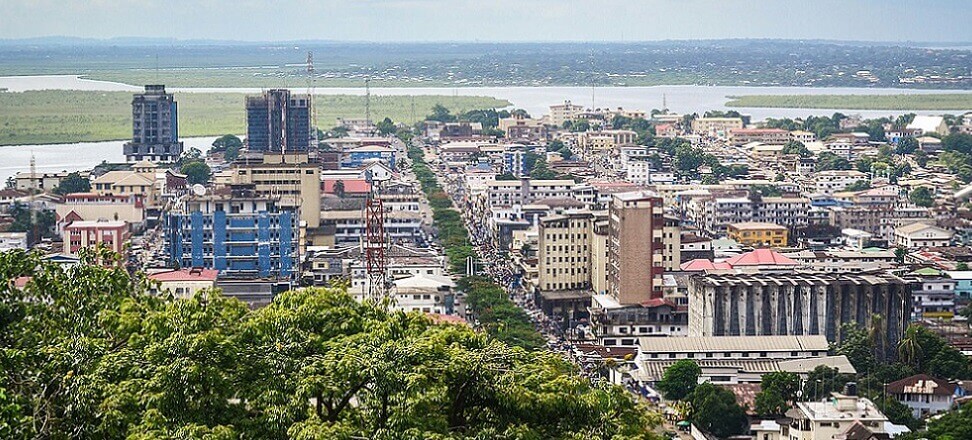
What Is Liberia Like Right Now? A Ground-Level Look at 2026
If you've typed what is Liberia like right now into a search bar, you're probably tired of recycled travel advisories and decade-old blog posts. This is not that. Liberia in 2026 is a country in real motion — a place where a bustling Monrovia street market sits a 40-minute drive from a white-sand beach that rivals anything in West Africa, and where a new generation of entrepreneurs is quietly reshaping what doing business in Liberia looks like. The gap between the Liberia people imagine and the Liberia that actually exists has never been wider.
This article covers the full picture: the cultural energy, the food scene, the business climate, the nightlife, and the beaches. Think of it as the honest briefing a well-connected local friend would give you before your trip — or before you decide to invest, relocate, or simply satisfy your curiosity.
The Cultural Pulse: What Daily Life in Liberia Actually Feels Like
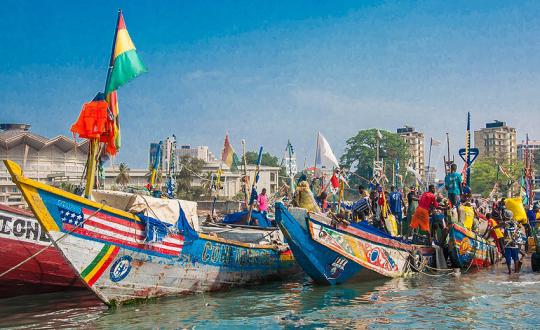
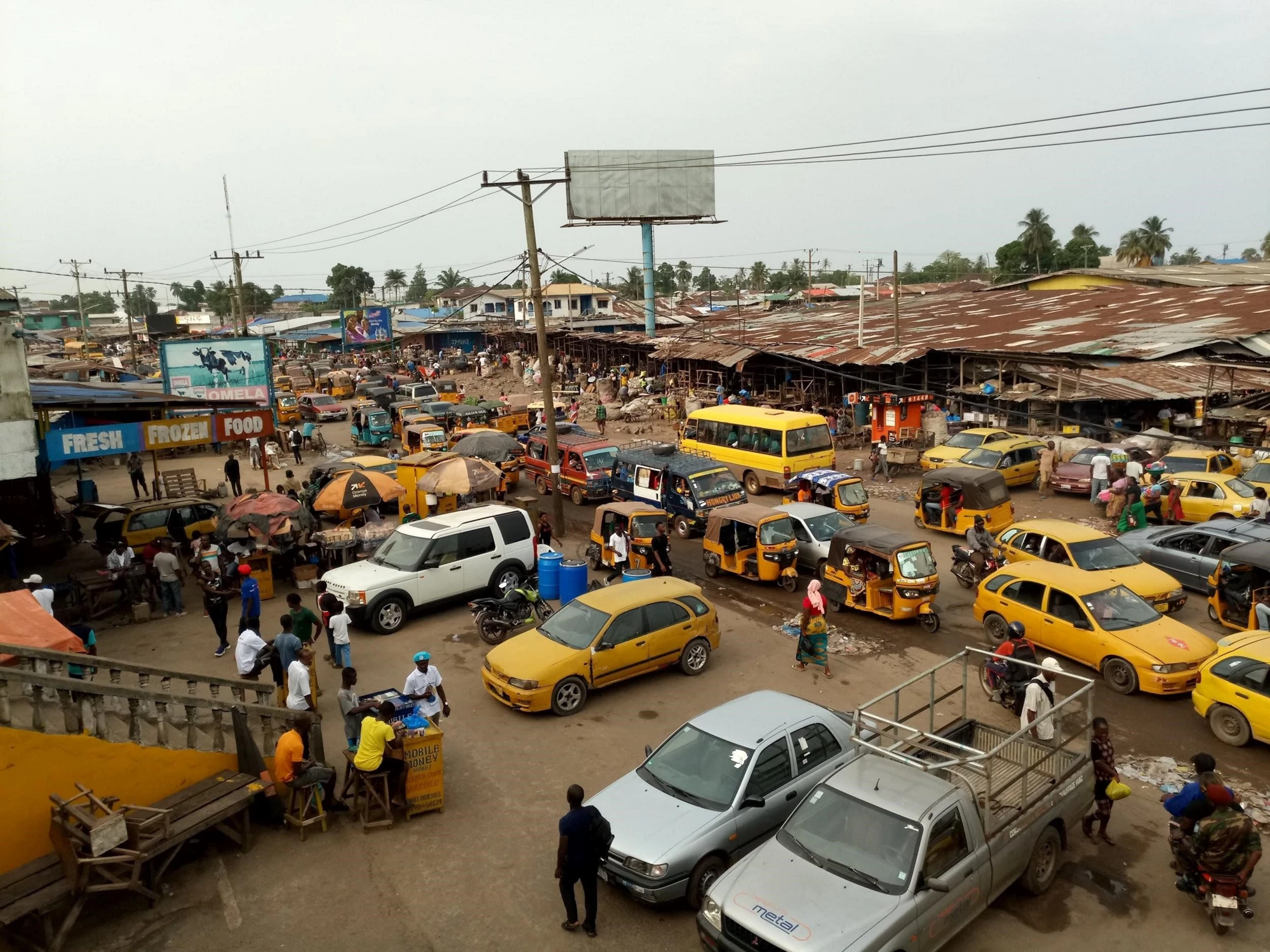
Monrovia is the beating heart of the country, and in 2026 it feels noticeably more confident than it did five years ago. The city's population hovers around 1.5 million people, and that density shows — traffic on Tubman Boulevard during rush hour is genuinely gridlocked, motorbike taxis (called pen-pen) weave between SUVs and minibuses, and the noise is constant. That energy is not chaos; it's commerce.
Outside the capital, the pace drops sharply. Towns like Gbarnga, Buchanan, and Harper operate on a slower rhythm where community ties and subsistence farming still anchor daily life. Electricity remains inconsistent in secondary cities — most households rely on generators or solar panels, a fact that shapes everything from business hours to nightlife. Don't expect a seamless 24-hour city experience outside Monrovia.
English is the official language and is spoken widely, which makes Liberia unusually accessible for English-speaking visitors compared with neighboring francophone countries. Liberians are, by reputation and in practice, extraordinarily hospitable. Expect unsolicited directions, genuine curiosity about where you're from, and invitations to share food.
- Religion: Christianity dominates (roughly 85% of the population), with Islam practiced predominantly in the north and northwest.
- Music: Afrobeats, dancehall, and homegrown Liberian hip-hop (known as Hipco) fill taxis, shops, and open-air bars every evening.
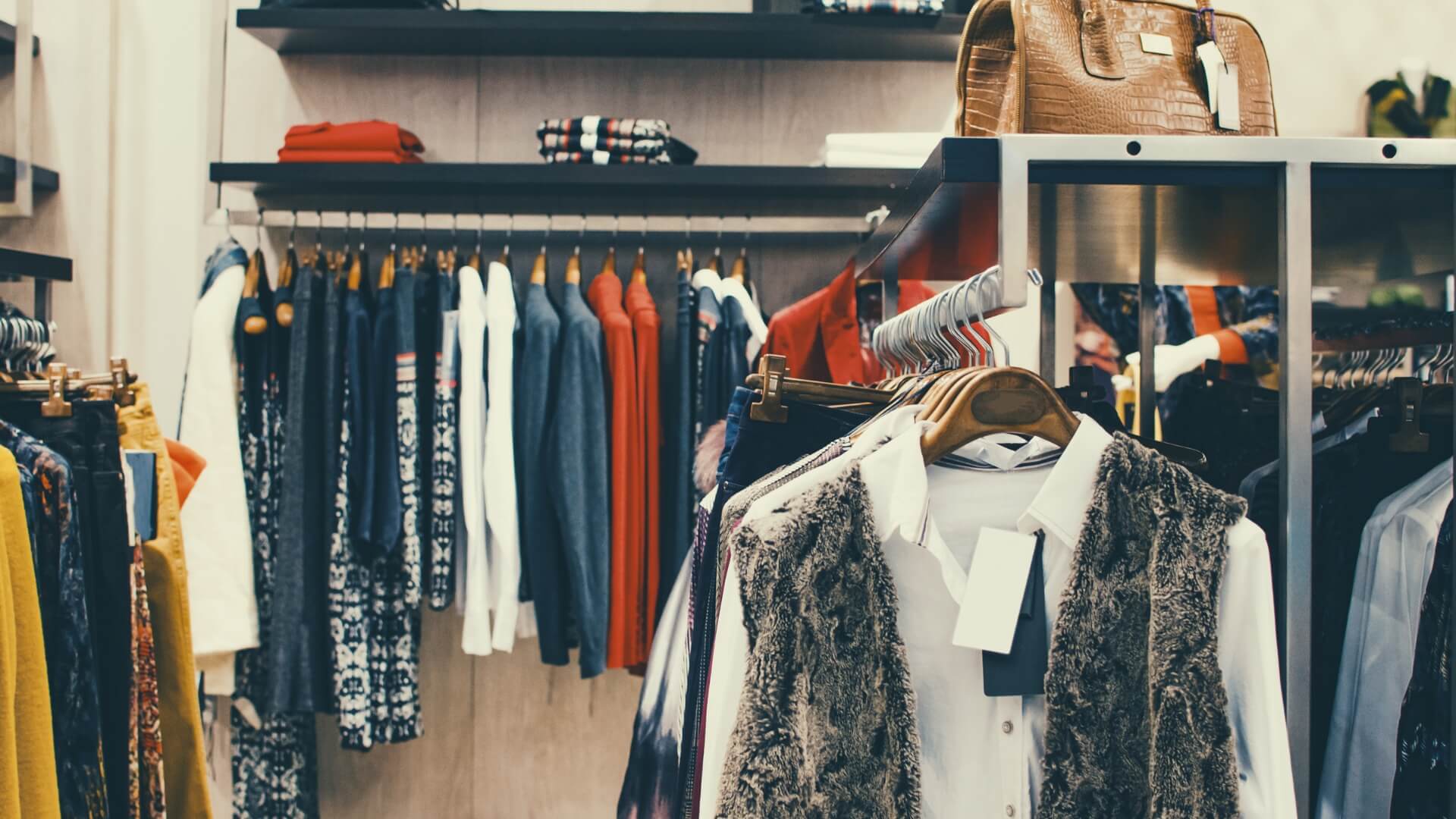
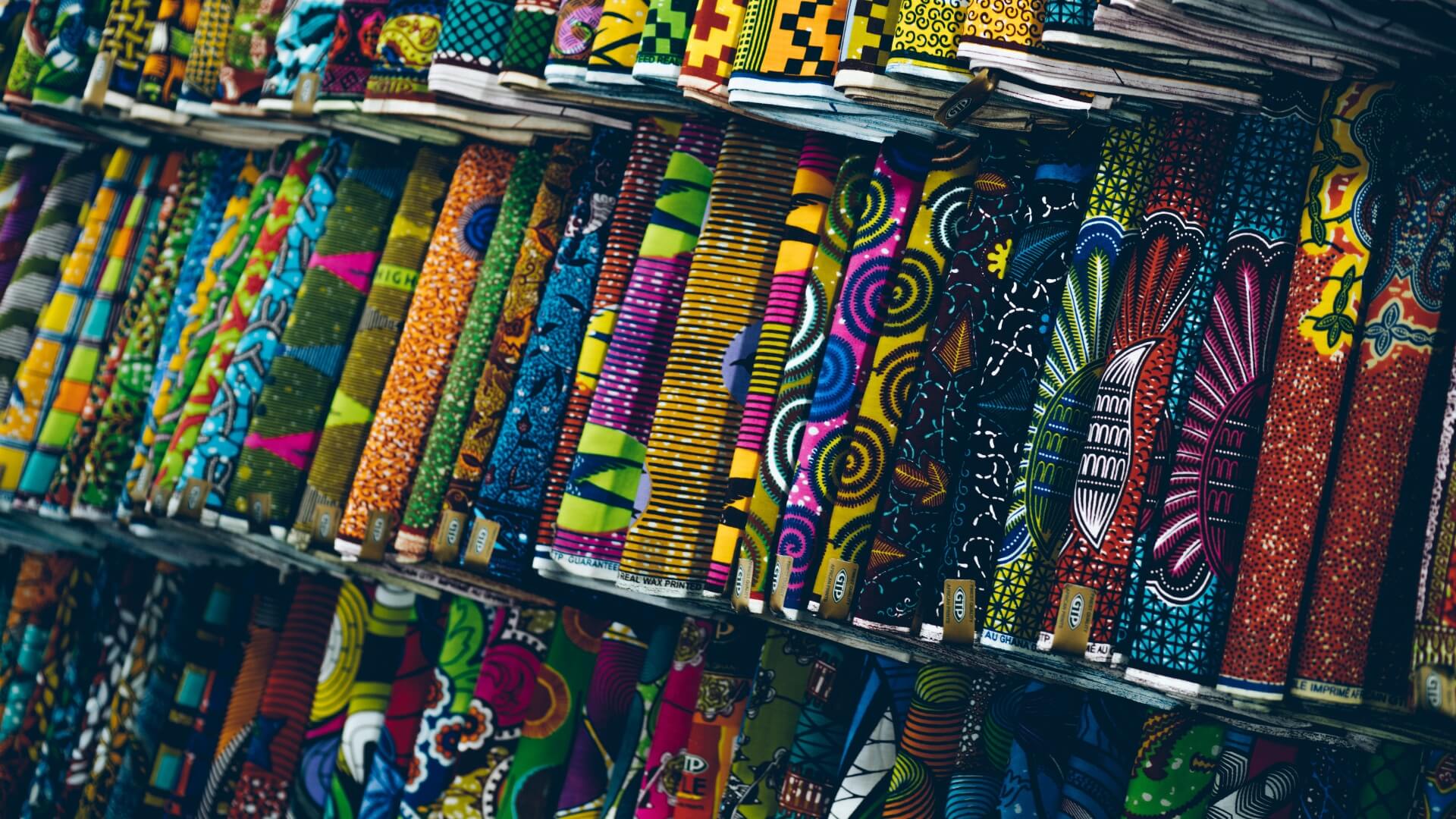
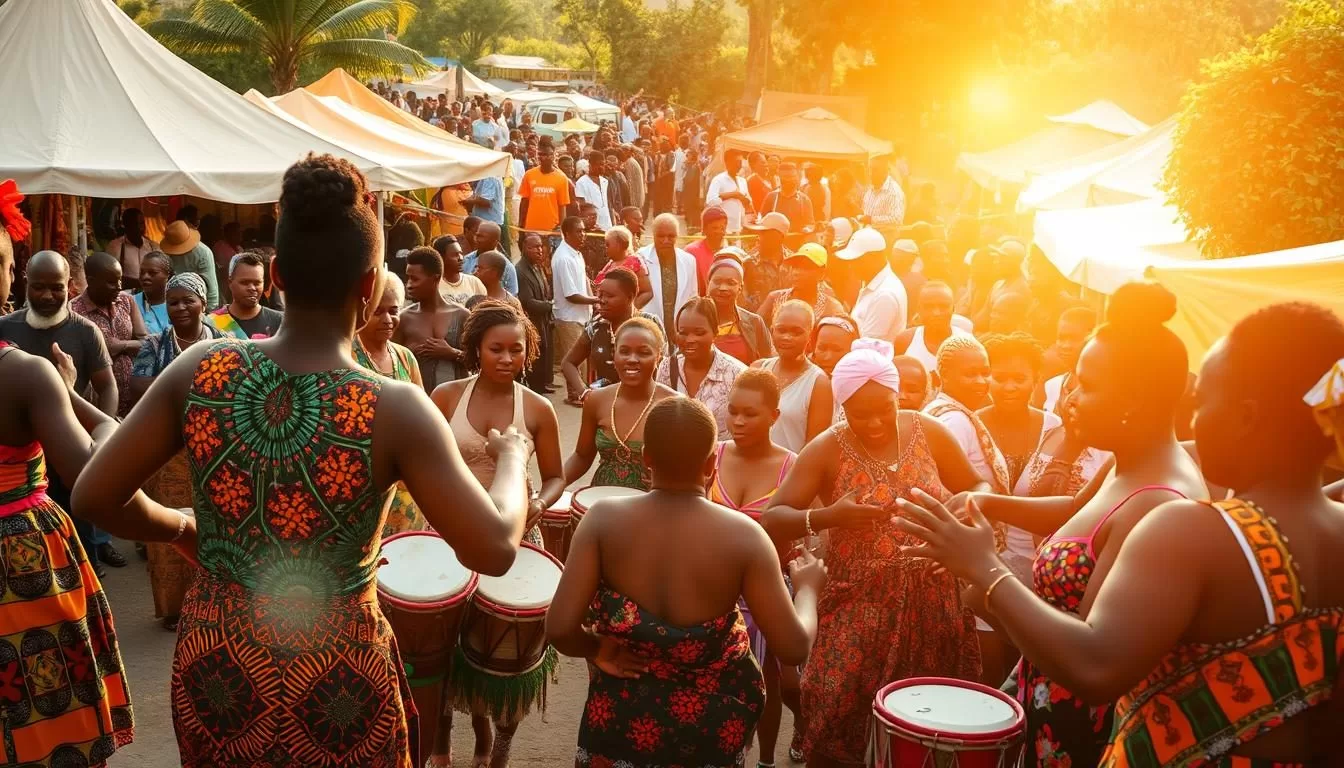
- Dress: Formal dress is respected in business and church settings; casual wear is fine elsewhere. Lappa fabric — colorful, wax-printed cotton — is both everyday wear and a cultural statement.
- Mobile money: Orange Money and Lonestar Cell Money handle a huge share of transactions. Carry some Liberian dollars and USD, but mobile payments work almost everywhere in Monrovia.
Liberian Food in 2026: From Palm Butter to Upscale Dining
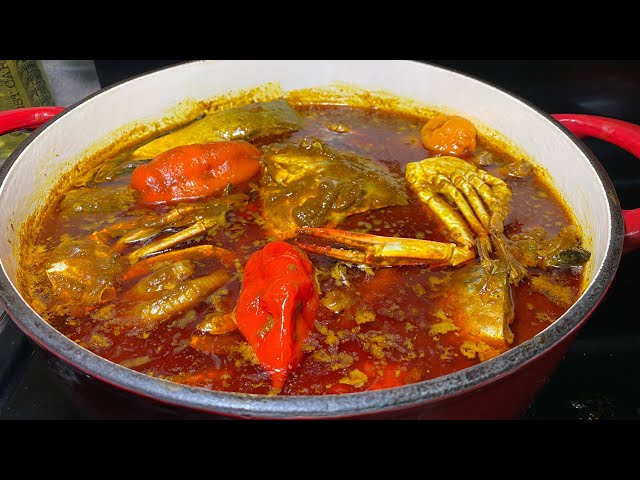
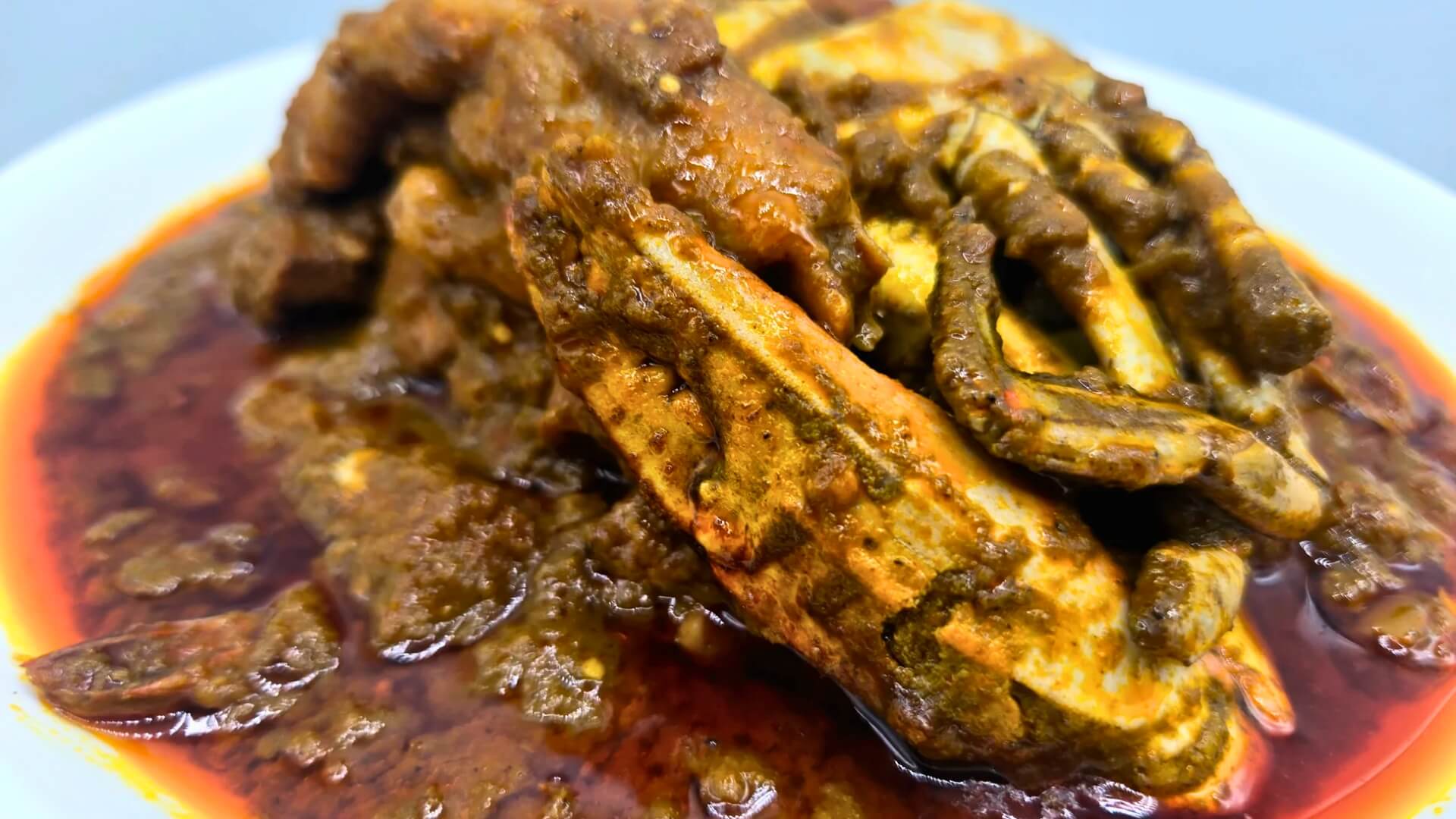
Liberian cuisine is criminally underrated on the global food map. The foundation is rice — Liberians eat more rice per capita than almost any other nation on earth, and the dishes built around it are complex, layered, and deeply satisfying. Palm butter soup, jollof rice, cassava leaf stew, potato greens, and pepper soup are the pillars. Each dish carries a slow-cooked depth that comes from hours on a charcoal fire.
Street food is the most honest entry point. A plate of rice and greens from a roadside cook shop costs between 100 and 200 Liberian dollars (roughly $0.50–$1.00 USD at current exchange rates) and is often better than what you'd find in a mid-range restaurant. The cook shops run by women — called cook shops or chop bars — are institutions. Regulars have their preferred spots the way New Yorkers have their preferred diners.
The restaurant scene in Monrovia has matured significantly. A cluster of establishments now serves international cuisine — Lebanese, Chinese, Indian, and continental European — alongside elevated takes on Liberian classics. Prices at the upper end range from $15 to $40 per person, which is comparable to a mid-tier restaurant in a European capital. Quality has improved to match. Explore Liberian restaurants on TrueLiberia to find vetted options across price ranges, neighborhoods, and cuisine types — it's the fastest way to avoid the tourist traps.
One honest trade-off: food safety standards vary sharply. High-end restaurants and hotel kitchens are generally reliable. Street food from busy, high-turnover stalls is usually safe. The danger zone is low-traffic cook shops with slow ingredient rotation. When in doubt, choose the busiest stall on the block — high turnover means fresher food.
Liberia's Business Climate: Opportunity, Friction, and What's Actually Changing
Doing business in Liberia in 2026 is not frictionless — but the friction is increasingly predictable, which is its own kind of progress. The country ranks in the lower half of the World Bank's Doing Business indicators, but on-the-ground operators will tell you that the regulatory environment has become more navigable over the past three years. Business registration through the Liberia Business Registry can now be completed in under two weeks for straightforward structures, down from months in the mid-2010s.
The sectors drawing the most attention from foreign and diaspora investors are agribusiness, real estate, hospitality, and fintech. Rubber and palm oil remain dominant export commodities, but there's genuine momentum in value-added agriculture — processing, packaging, and cold-chain logistics are all underserved. Real estate in Monrovia's Sinkor and Mamba Point neighborhoods has seen consistent price appreciation as demand from NGOs, embassies, and returning diaspora outpaces supply.
The Liberian dollar has stabilized somewhat against the US dollar, though inflation remains a concern for businesses with local-currency cost structures. USD is widely accepted and often preferred in commercial transactions, which simplifies pricing for foreign operators but complicates payroll for businesses employing large local workforces.
- Key challenge: Reliable electricity. Most serious businesses run their own generators, adding 15–25% to operating costs.
- Key advantage: English-speaking, young workforce. Liberia's median age is around 18, and youth unemployment creates a large, motivated talent pool.
- Emerging sector: Short-term rentals and hospitality. Platforms like Airbnb have seen growing Liberia listings, particularly beach properties and Monrovia apartments targeting NGO workers and business travelers.
- Practical tip: Build relationships before contracts. Business culture in Liberia is relationship-first; cold outreach rarely converts without a trusted introduction.
If you're exploring opportunities and need local guidance, the TrueLiberia Concierge service connects visitors and investors with vetted local contacts — a genuinely useful shortcut when you're navigating an unfamiliar market.
Tourism in Liberia: Beaches, Wildlife, and the Roads Between Them
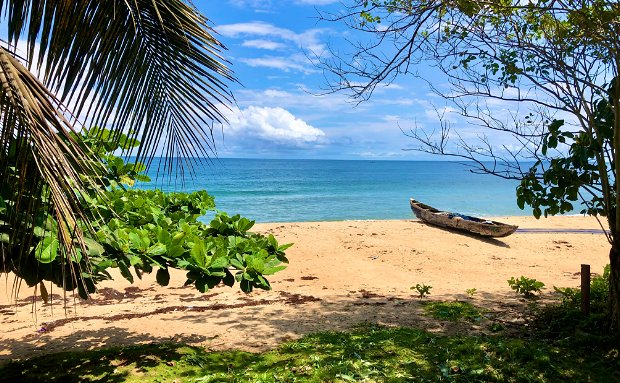
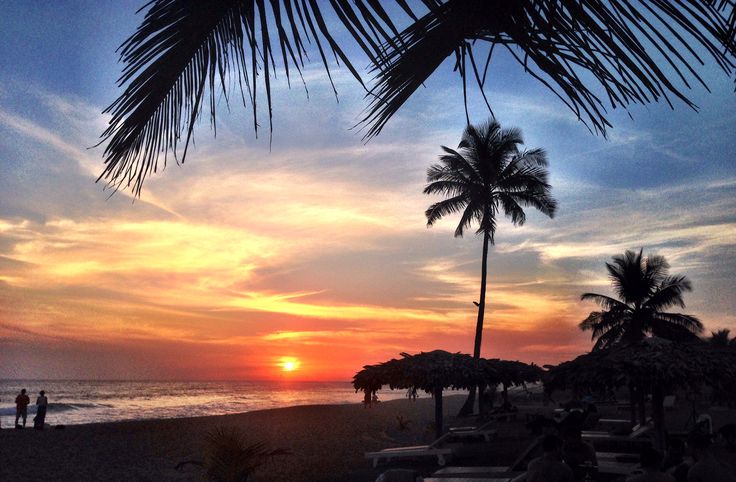
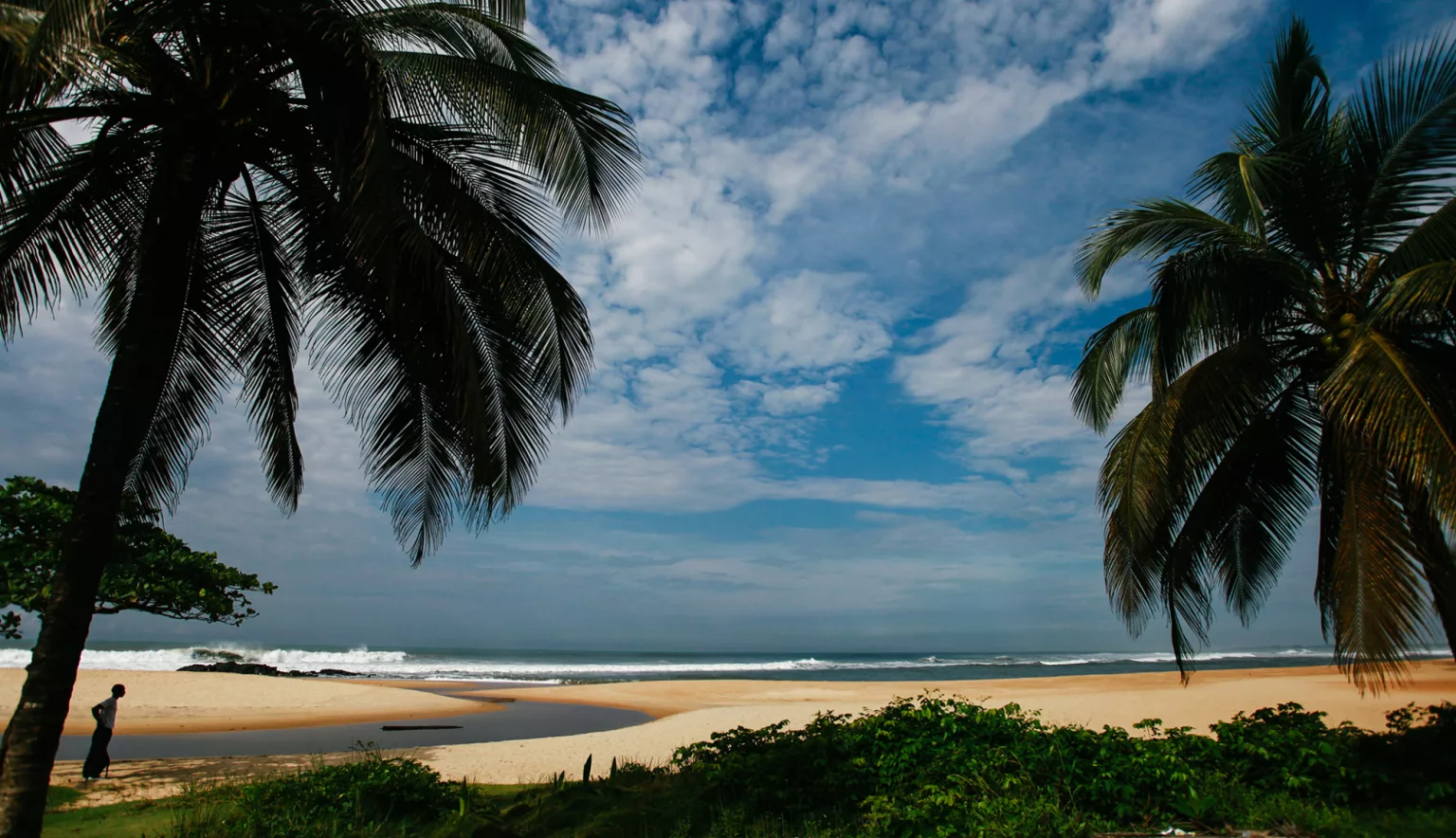
Liberia's beaches are its most underutilized asset. Robertsport, about two hours northwest of Monrovia, has developed a quiet reputation among surfers as one of West Africa's best breaks. The waves are consistent, the crowds are nonexistent, and a handful of surf lodges now offer basic but comfortable accommodation. Silver Beach, Kendeja Beach, and Coconut Plantation Beach are all within an hour of Monrovia and accessible for a day trip.
The interior offers a different kind of draw. Sapo National Park in Sinoe County is one of the last remaining blocks of West African rainforest and home to pygmy hippos, forest elephants, and over 600 bird species. Access is genuinely difficult — the roads are rough, and the park lacks tourist infrastructure — but that's also the point. This is not a packaged safari. It's raw, remote, and remarkable for travelers who want exactly that.
According to UNWTO data, Liberia receives a fraction of the tourist arrivals of neighboring Ghana or Senegal. That gap is closing, but slowly. The practical barriers — limited direct flights, inconsistent road conditions outside Monrovia, and a shortage of mid-range accommodation — are real. Budget for flexibility. Plans change in Liberia, and the travelers who enjoy it most are the ones who treat that as a feature, not a bug.
For accommodation, the range now spans from international-standard hotels in Mamba Point to guesthouses, eco-lodges, and the growing short-term rental market. Browse hotels and resorts in Liberia on TrueLiberia to compare options with real reviews — and book early if you're traveling during the dry season (November through April), when demand spikes.
Nightlife and Entertainment: Where Monrovia Actually Goes After Dark
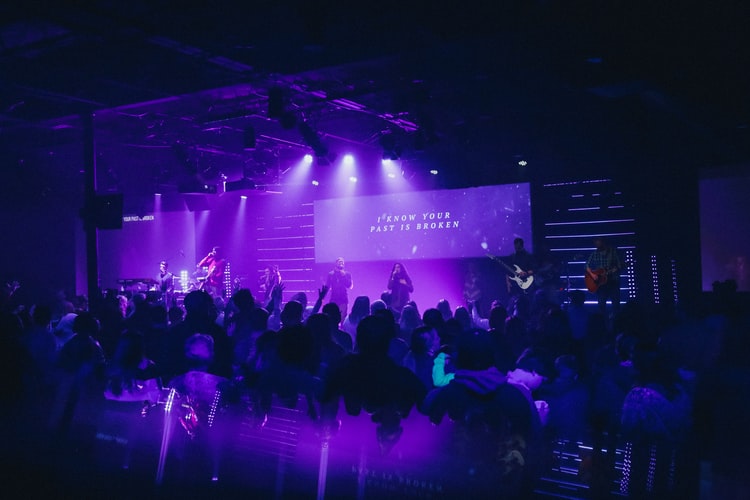
Monrovia's nightlife is louder, later, and more varied than most first-time visitors expect. The scene clusters around Sinkor, Mamba Point, and the Old Road area. Clubs open late — nothing gets going before 11pm — and run until well past 3am on weekends. The music is a mix of Afrobeats, reggae, dancehall, and Hipco, and the energy is genuinely festive rather than performative.
Beyond clubs, the city has a growing bar culture. Rooftop bars with ocean views, sports bars showing Premier League fixtures, and low-key spots with live music are all findable if you know where to look. Discover Monrovia's best bars and nightclubs on TrueLiberia — the listings include hours, vibe descriptions, and neighborhood context that generic travel sites simply don't have.
A few honest notes on safety: Monrovia at night is not uniformly safe. Stick to well-lit, busy areas and use trusted transport — either a reputable taxi service or a ride arranged through your hotel. The nightlife areas mentioned above are generally well-policed and well-attended, but situational awareness matters everywhere.
Practical Realities: What to Know Before You Go
A few specifics that save headaches:
- Visa: Most nationalities require a visa. Apply in advance through the Embassy of Liberia nearest you. Processing times vary; don't leave it to the last week.
- Flights: Brussels Airlines, Air Maroc, and a handful of regional carriers serve Roberts International Airport (ROB). There are no direct flights from North America; connections typically route through Europe or Casablanca.
- Health: Yellow fever vaccination is required for entry. Malaria prophylaxis is strongly recommended. Pack a good insect repellent.
- Currency: Both Liberian dollars (LRD) and US dollars (USD) are legal tender. ATMs in Monrovia dispense USD. Carry small bills — change is often scarce.
- Internet: 4G LTE is available in Monrovia and major towns. Buy a local SIM (Orange or Lonestar) at the airport for affordable data.
- Roads: Monrovia's roads are potholed and congested. Outside the capital, roads range from decent to impassable depending on season and recent maintenance. A 4WD vehicle is strongly recommended for upcountry travel.
Liberia in 2026 rewards preparation and punishes assumptions. The more specifically you plan — knowing which neighborhood your hotel is in, which restaurant you're eating at, which beach you're heading to — the better your experience will be. Vague plans lead to expensive improvisation.
The Honest Bottom Line on Liberia Right Now
Liberia is not an easy destination, and it's not trying to be. What it offers instead is authenticity — a West African experience that hasn't been smoothed into a resort package, a food culture that rewards curiosity, a business environment that rewards patience, and a coastline that rewards showing up.
The country's trajectory in 2026 is genuinely upward. Infrastructure is improving, the private sector is growing, and a diaspora returning with capital and skills is changing the texture of Monrovia's professional and cultural life. The challenges — electricity, roads, institutional friction — are real and shouldn't be minimized. But so is the opportunity, and so is the experience.
Ready to explore? Visit TrueLiberia to discover the best restaurants, hotels, beaches, nightlife, and businesses Liberia has to offer — all in one place, all vetted by people who actually know the country. Get started today and plan a trip that goes well beyond the surface.