Is Liberia Good for Business? Here's the Honest Answer
Ask any diaspora investor who has recently returned home, and you'll hear two things: Liberia is full of opportunity, and it is not for the faint-hearted. So, is Liberia good for business? The short answer is yes — but only if you understand which sectors are genuinely open, what the real friction points are, and how to position yourself before you commit capital. This guide cuts through the hype and gives you a grounded, sector-by-sector view of Liberia's business landscape in 2024 and beyond.
Liberia's economy has been growing steadily after decades of rebuilding. The World Bank projects continued GDP expansion driven by agriculture, mining, and services. The country sits on the Atlantic coast with 350 miles of coastline, vast forest reserves, and a young, English-speaking population of roughly 5.5 million. Those are not small advantages. The question is not whether opportunity exists — it clearly does. The question is where to find it and how to navigate the terrain.
The Business Climate: What the Numbers Actually Tell You
Liberia ranks in the lower half of global ease-of-doing-business indices, but that headline number hides a more nuanced story. Registering a business has become faster — the Liberia Business Registry (LBR) now processes standard registrations in as little as three to five working days. The government has also introduced a one-stop shop model that consolidates tax registration, business licensing, and investment approvals under one roof.
Corporate income tax sits at 25% for most sectors. The Goods and Services Tax (GST) is 10%. For investors bringing in more than USD $500,000, the Liberia Investment Promotion Agency (LIPA) offers incentive packages including import duty waivers on capital equipment and up to five-year income tax holidays in priority sectors. These are real, codified benefits — not vague promises.
The honest trade-offs? Electricity is unreliable outside Monrovia, and even within the capital, grid power is intermittent. Most serious businesses run diesel generators as a backup, adding roughly 15–25% to operating costs. Road infrastructure outside major corridors is poor, which matters enormously for logistics. Banking penetration is low, meaning cash-heavy operations are still common. These are solvable problems — but you must budget for them from day one.
Top Sectors Where Business in Liberia Is Genuinely Thriving
1. Agriculture and Agro-Processing
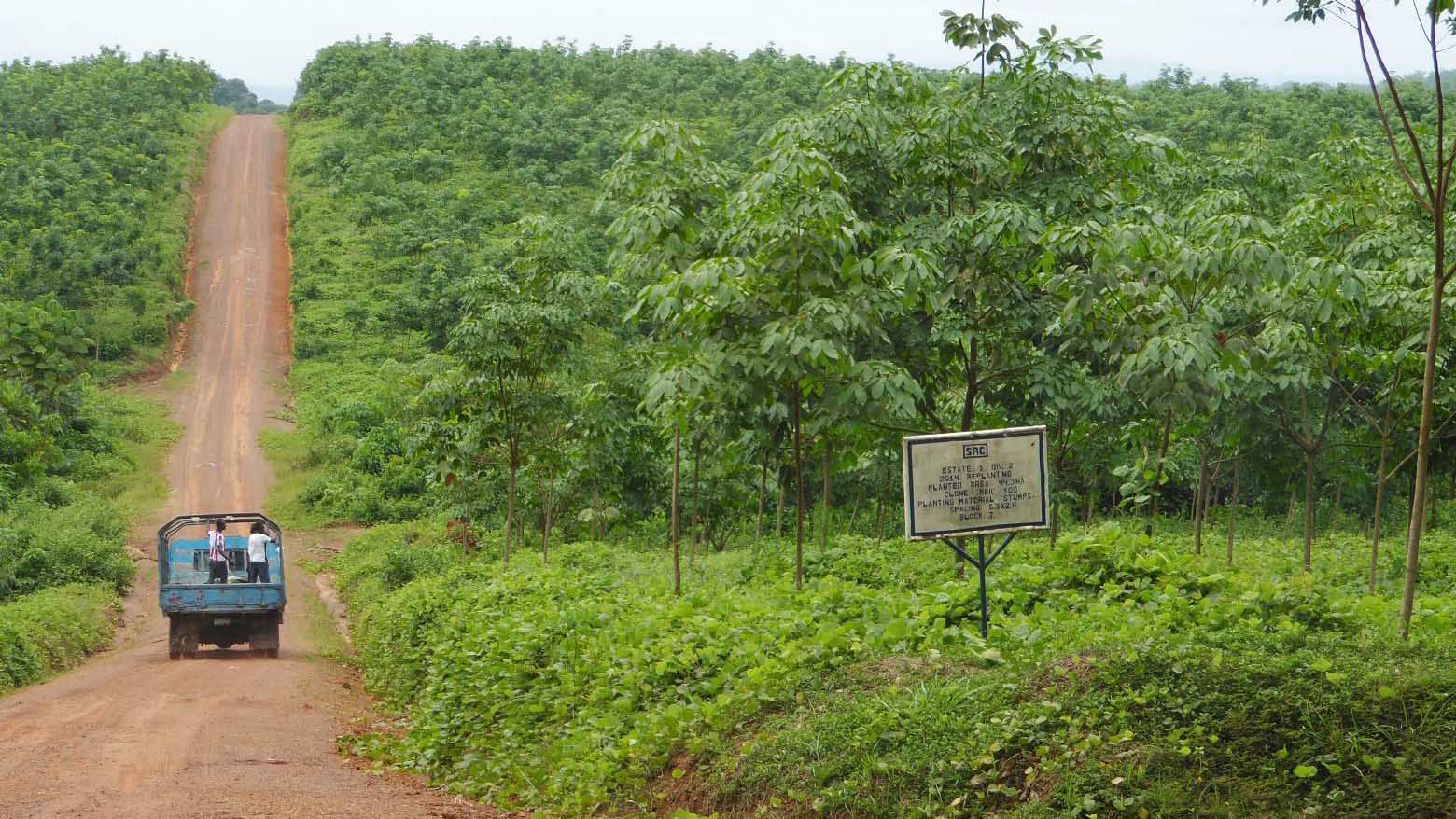
Agriculture employs roughly 70% of Liberia's workforce and contributes about 40% of GDP. Rubber, cocoa, palm oil, and rice are the flagship crops. The opportunity that most investors miss is not in raw commodity export — it is in agro-processing. Liberia currently exports most of its cocoa as unprocessed beans. A mid-scale processing facility that produces cocoa butter, cocoa powder, or even finished chocolate for regional markets can command margins three to five times higher than raw export.
Similarly, cassava is grown everywhere but rarely processed into starch, flour, or ethanol at scale. The domestic market for processed cassava products is largely served by imports. That gap is a direct business opportunity. Entry costs for a small processing unit start around USD $80,000–$150,000 depending on capacity and equipment sourcing.
2. Hospitality, Tourism, and Food Services
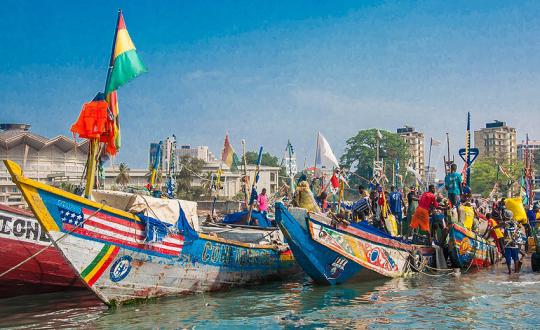
This is one of the fastest-moving sectors right now. Liberia's beaches — particularly those along the coast near Robertsport and Buchanan — are genuinely world-class and almost entirely underdeveloped for tourism. The demand for quality accommodation, guided experiences, and reliable food service far outpaces current supply.
In Monrovia specifically, the restaurant and hospitality scene is growing fast. Expats, NGO workers, diaspora returnees, and a rising Liberian middle class are all spending on dining and leisure. Browse Liberian restaurants on TrueLiberia to see the range of concepts already operating — and more importantly, the white space that still exists. A well-run mid-market restaurant with consistent quality and a clear concept can turn profitable within 12–18 months in Monrovia.
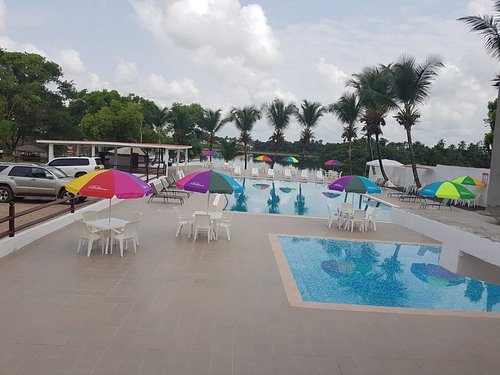
Hotels and short-term rentals are equally undersupplied. Explore hotels and resorts listed on TrueLiberia to gauge the current competitive landscape. The Airbnb model is gaining traction, particularly for furnished apartments targeting business travelers and diaspora visitors.
3. Retail and E-Commerce
Formal retail is thin. Most consumer goods are sold through informal markets, which means the bar for a clean, reliable retail experience is low — and the reward for clearing it is high. Supermarkets, specialty food stores, and pharmacy chains are all underpenetrated relative to population size and urban income levels.
Mobile money adoption is accelerating, led by platforms like Lonestar MTN Mobile Money and Orange Money. This is quietly enabling e-commerce. A business that combines a physical storefront with a WhatsApp ordering system and mobile money payments is already operating at the frontier of Liberian retail. The infrastructure is simpler than it sounds, and the competitive moat is real.
4. Construction and Real Estate
Monrovia has a severe housing deficit. Estimates suggest the country needs over 200,000 additional housing units to meet current demand, with the gap widening as urban migration accelerates. Construction materials, affordable housing development, and commercial real estate all represent active opportunity.
The catch: land title disputes are common. Liberia's land tenure system is complex, with customary land rights, statutory land rights, and government-owned land often overlapping. The Land Rights Act of 2018 improved the framework significantly, but due diligence on any property transaction must include a licensed Liberian attorney and a formal title search. Skipping this step is the single most common — and most expensive — mistake foreign investors make.
5. Technology and Digital Services
This is the sector with the steepest upside and the longest runway. Mobile penetration is above 60% and rising. Demand for digital payment solutions, ride-hailing, logistics apps, and online marketplaces is real and growing. Local tech talent is emerging from institutions like United Methodist University and international coding bootcamps.
The honest constraint is internet infrastructure. Bandwidth outside Monrovia is slow and expensive. Products must be designed for low-bandwidth environments — think lightweight apps, SMS fallback options, and offline-capable features. Businesses that build for these constraints from the start, rather than retrofitting them later, consistently outperform those that don't.
Common Mistakes Investors Make — and How to Avoid Them

The most expensive mistake is underestimating working capital needs. Supply chains in Liberia are fragile. A port delay, a fuel shortage, or a road washed out in rainy season can halt operations for days. Experienced operators keep 60–90 days of operating expenses in reserve. Investors who budget for 30 days are the ones who call it quits after year one.
A close second is hiring without a local partner who understands the cultural and regulatory landscape. This does not mean you need a Liberian co-owner — it means you need someone with genuine local relationships managing your government liaison, HR, and community relations. Paying a qualified local manager well is almost always cheaper than the cost of a regulatory dispute or a labor conflict.
Third: do not ignore the informal sector as a competitor. A street vendor selling the same product as your shop pays no GST, no rent, and no formal wages. Your competitive advantage must be quality, consistency, trust, or convenience — not just price. Businesses that try to compete on price alone against the informal market almost always lose.
- Register properly from day one — operating informally to save fees creates legal exposure that compounds over time.
- Get your land title verified by a licensed attorney — no exceptions, no shortcuts.
- Budget for generator fuel as a fixed cost — treat it like rent, not a variable expense.
- Build relationships before you need them — government approvals, permits, and disputes all move faster when you are a known, trusted actor in the community.
- Hire locally and invest in training — the talent pool is deeper than most outsiders expect, and loyalty from well-treated employees is a genuine competitive asset.
Where Diaspora Investors Have the Clearest Edge
Liberian diaspora investors — particularly those based in the United States, Europe, and Ghana — have structural advantages that purely foreign investors do not. They understand the culture, often have existing family networks, and can navigate bureaucratic friction with less friction. They also tend to attract more favorable community reception, which matters for retail, hospitality, and service businesses.
The diaspora opportunity is sharpest in hospitality, food and beverage, professional services, and real estate. These are sectors where trust, relationships, and local knowledge compound into durable competitive advantages. A diaspora investor who returns and opens a well-run guesthouse, a quality restaurant, or a professional clinic is not just building a business — they are filling a gap the market is actively demanding.
If you are planning a scouting trip before committing capital, use resources like TrueLiberia to research what is already operating across sectors, identify competitive gaps, and get a feel for the consumer landscape before you arrive. The TrueLiberia Concierge service can also connect you with on-the-ground insights and local recommendations — a practical starting point for any serious investor doing pre-trip due diligence.
The Regulatory Landscape: What Has Improved and What Hasn't
Liberia has made genuine strides in regulatory reform over the past decade. The establishment of LIPA as a dedicated investment promotion body, the digitization of business registration through the LBR, and the passage of the Land Rights Act are all meaningful improvements. The World Bank's Doing Business data on Liberia tracks these changes in detail and is worth reviewing before any investment decision.
What has not improved enough: contract enforcement is slow through the formal court system, and disputes can take years to resolve. Arbitration clauses in contracts are therefore essential — not optional. The Liberia National Bar Association maintains a list of certified arbitrators, and including an arbitration clause tied to a neutral regional body (such as the Kigali International Arbitration Centre) is a common and sensible approach for larger commercial contracts.
Customs and import procedures remain slow and opaque. Duties are sometimes applied inconsistently, and informal payments at the port are a documented problem. Businesses that import goods regularly should work with a licensed customs broker and maintain detailed records of every transaction. Transparency is both an ethical requirement and a practical protection.
Final Verdict: Liberia Is Good for Business — With the Right Preparation
Liberia rewards investors who do their homework, build real relationships, and plan for friction. It punishes those who arrive expecting a smooth, predictable environment and cut corners on due diligence. The opportunity is genuine — in agriculture, hospitality, retail, construction, and tech — but the execution demands patience, local knowledge, and adequate capital reserves.
For local entrepreneurs, the moment is arguably the best it has been in a generation. A growing middle class, rising mobile money adoption, and an underserved consumer market create conditions where a well-run small business can scale faster than in more saturated markets. For diaspora investors, the combination of cultural fluency and external capital is a powerful combination that the local market genuinely needs.
Start by exploring what is already working. Search TrueLiberia's full business directory to discover the businesses, services, and experiences that are already thriving across Monrovia and beyond. Then build your plan around the gaps — because in Liberia right now, the gaps are where the real opportunity lives.