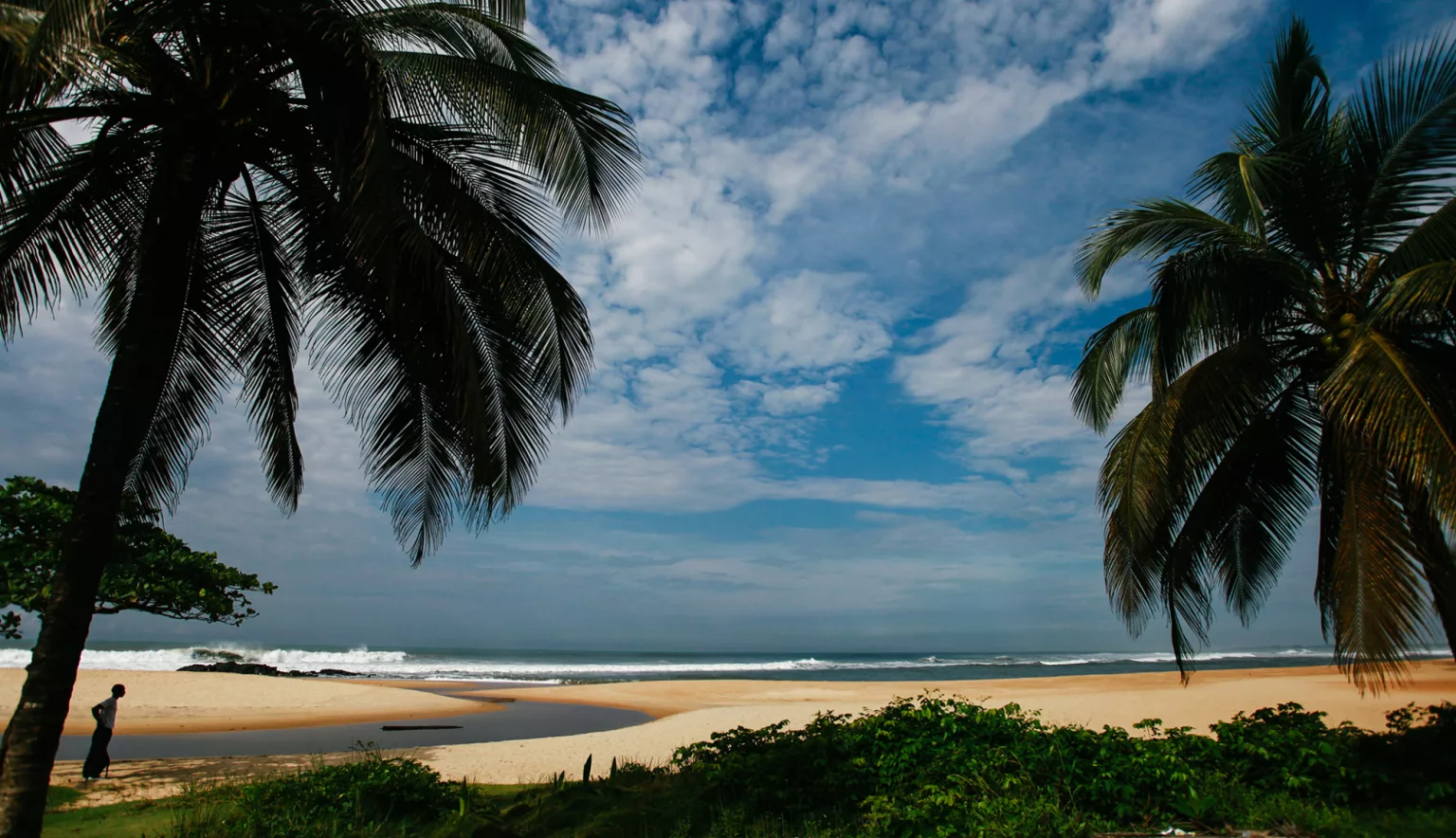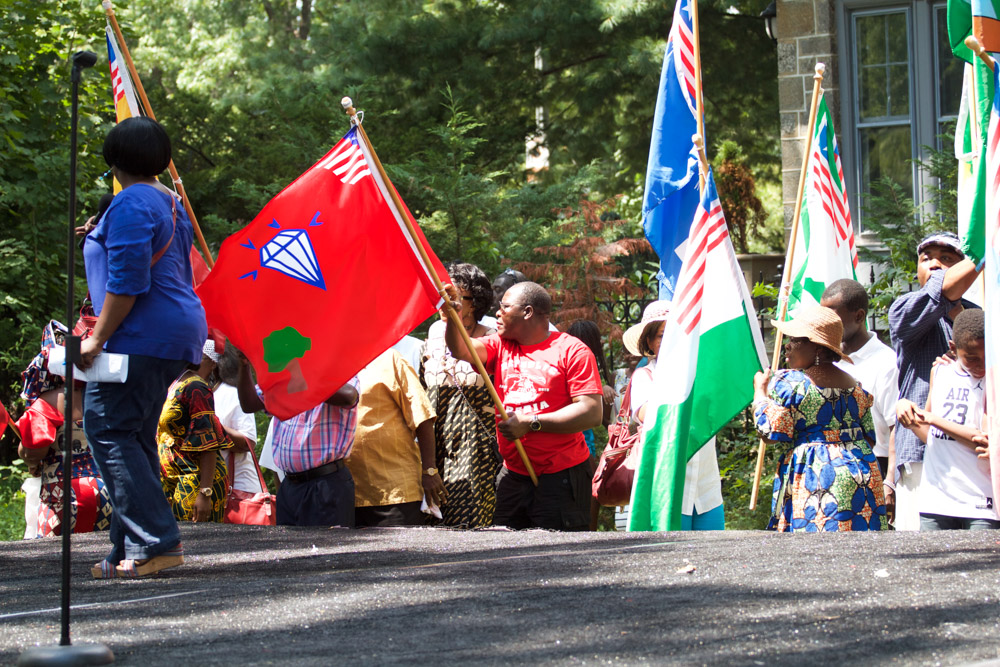
So you're planning a trip to Liberia — or maybe you've just met a Liberian for the first time — and you're wondering: what are Liberian people like? The honest answer is that they're among the most warm, resilient, and culturally rich people on the African continent. But that's only the beginning. Liberian identity is layered, shaped by a unique history that blends West African indigenous traditions with American settler influences, forged further by decades of hardship and extraordinary community spirit. This guide breaks down 12 concrete traits, traditions, and social customs that define Liberians — not as a flattering stereotype, but as a practical, grounded primer for visitors, diaspora members reconnecting with home, and anyone curious about this remarkable country.
1. Liberians Are Genuinely, Effortlessly Hospitable
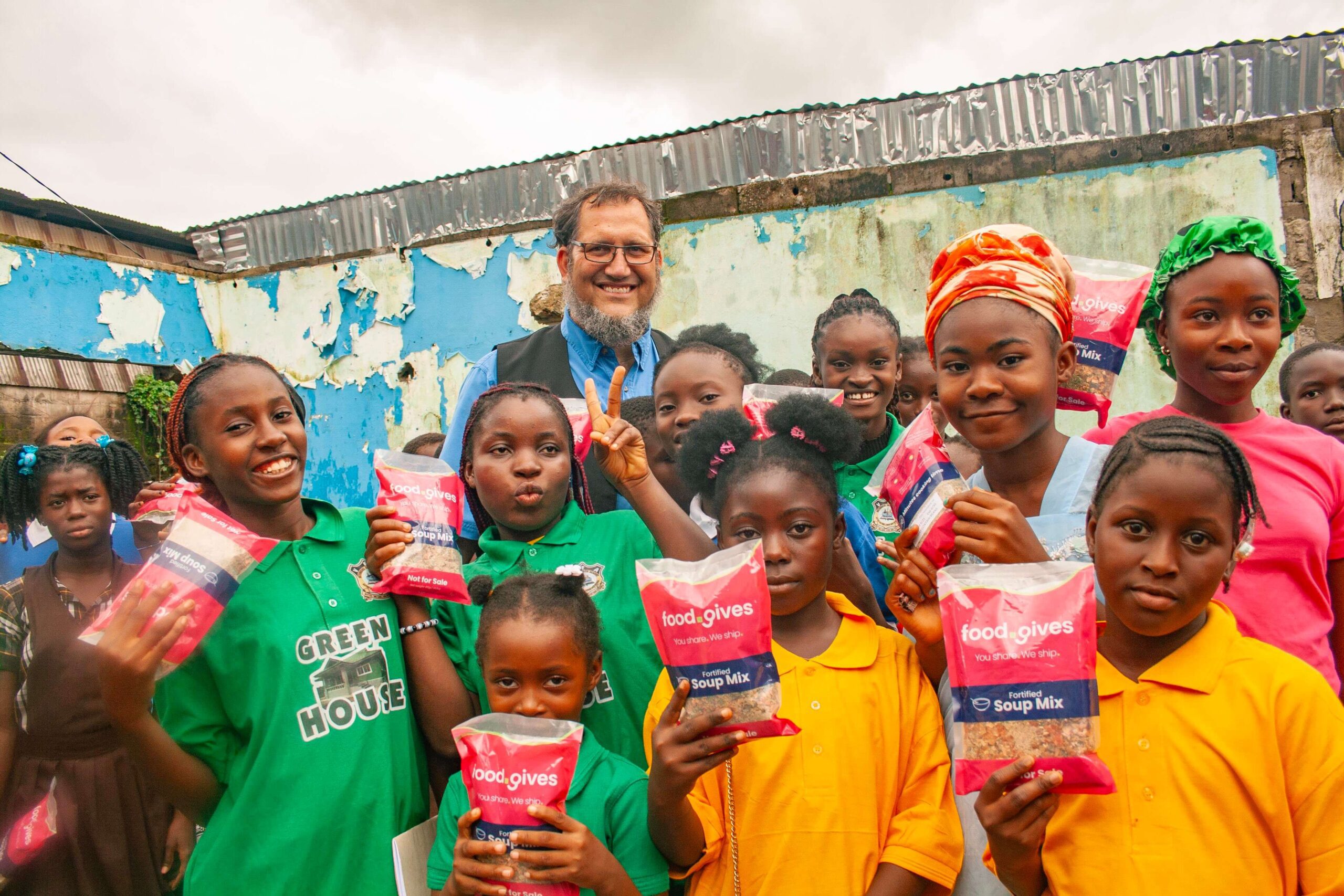
Hospitality in Liberia is not performative — it is structural. Guests are expected to eat, and refusing food can cause mild offense. If you visit a Liberian home and a meal is being prepared, you will be invited to the table. Full stop. This isn't politeness theater; it reflects a deep cultural value that a stranger's comfort is a host's responsibility.
Practically speaking, this means first-time visitors are rarely left to figure things out alone. Locals will go out of their way to give directions, recommend places, and even accompany you to your destination. Don't be surprised if a stranger insists on walking you to the right bus stop. It happens regularly in Monrovia.
2. Community and "We" Culture Come Before Individualism
Liberians operate within a strong collectivist framework. Decisions — from where to live to who to marry — are rarely made in isolation from family and community input. Extended family networks function as informal social safety nets, pooling resources during illness, funerals, school fees, and business ventures.
For visitors, this means that personal introductions carry real weight. Being introduced by a mutual contact opens doors that cold approaches simply don't. If you're doing business in Liberia, building trust within a community first is far more effective than leading with credentials or contracts.
3. Resilience Is Not Just a Buzzword — It's a Lived Reality
Liberia endured two devastating civil wars (1989–1996 and 1999–2003) and the world's worst Ebola outbreak in 2014–2016. According to the World Bank, Liberia remains one of the world's lowest-income countries, yet its people demonstrate a forward-looking optimism that consistently surprises visitors. This isn't denial — it's earned resilience.
You'll notice it in everyday conversations. Liberians rarely dwell on hardship in social settings. Instead, humor, faith, and future plans dominate the talk. That psychological toughness shapes every social interaction and explains why entrepreneurship is booming even in constrained economic conditions.
4. Liberians Have a Distinct and Vibrant English All Their Own
Liberian English — sometimes called Liberian Kreyol or Liberian Pidgin English — is the country's true lingua franca. It's not broken English; it's a fully expressive creole with its own grammar, rhythm, and idioms. Standard American English is the official language of education and government, but on the street, Liberian English rules.
A few phrases worth knowing: "How the body?" means "How are you?" "I coming" means "I'll be there soon" (though timing is flexible). "Small small" means gradually or little by little. Visitors who attempt even a few phrases earn instant warmth and laughter — in the best way. Ethnologue documents over 30 languages spoken across Liberia's 15 counties, making it one of West Africa's most linguistically diverse nations.
5. Faith Is Central to Daily Life
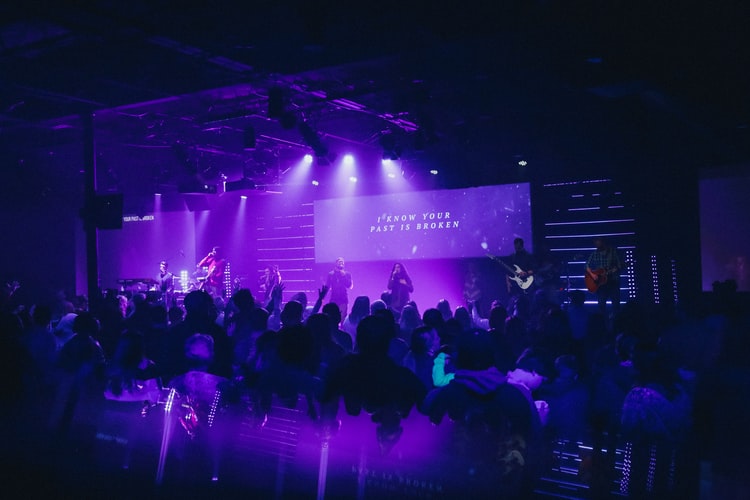
Liberia is roughly 85% Christian, with a significant Muslim minority concentrated in the north and among certain ethnic groups. Religion isn't a weekend activity — it saturates the week. Prayer before meals, gospel music in taxis, and Sunday church attendance that can run three hours are all completely normal.
For visitors, this has practical implications. Sunday mornings in Monrovia are quiet — many businesses open late or not at all. Referencing God or faith in casual conversation is not unusual or awkward; it's often a bonding point. Respecting religious observance, particularly during Muslim prayer times in mixed communities, goes a long way.
6. Liberians Take Food Seriously — and Sharing It Is Sacred
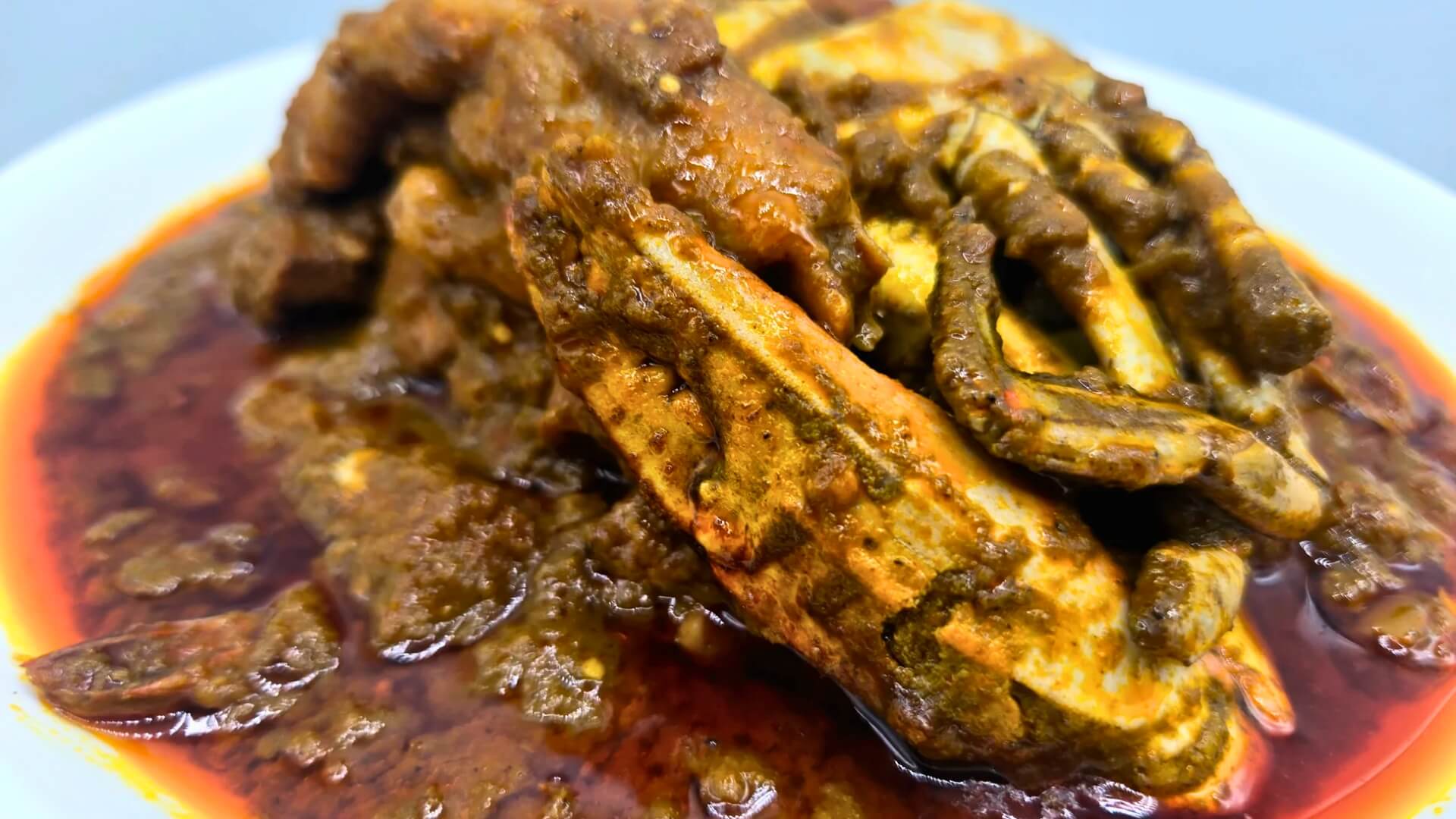
Liberian cuisine is bold, slow-cooked, and deeply communal. Dishes like palm butter soup, fufu with cassava leaf, jollof rice, and pepper soup are staples that take hours to prepare and are meant to be shared in large quantities. Eating alone is considered somewhat sad; eating together is the default social act.
If you want to experience authentic Liberian food beyond hotel menus, explore local Liberian restaurants on TrueLiberia — the platform lists community favorites across Monrovia and beyond. Don't skip the check rice (a spiced rice dish) or the fried plantains. And always, always accept a second serving if offered.
7. Greetings Are Elaborate — and Skipping Them Is Rude
In Liberia, jumping straight to business without a proper greeting is considered disrespectful. A standard greeting sequence involves asking about health, family, work, and sometimes the weather — in that order. This isn't small talk to get through; it is the interaction. The business comes after.
Handshakes are common, often followed by a finger-snap handshake among men (a quick snap of the middle fingers as hands pull apart). Women may greet with a hug among friends. Elders are greeted with particular deference — a slight bow or lowered eyes signals respect. Getting this right signals cultural literacy and earns immediate trust.

8. Music, Dance, and Celebration Are Woven Into Everything
Liberians don't need a formal occasion to dance. Weddings, funerals, graduations, Sundays, and random Tuesday afternoons can all become celebrations. Genres like Hipco (Liberian hip-hop), Afrobeats, and traditional Vai or Kpelle music fill homes, bars, and streets constantly.
Visitors who enjoy nightlife will find Monrovia surprisingly active after dark. The city's bar and club scene is energetic, affordable, and social in a way that feels genuinely inclusive rather than exclusive. Check out Liberia's top nightlife spots on TrueLiberia to find the right vibe — from laid-back beach bars to full-on dance floors.
9. Respect for Elders Is Non-Negotiable
Age commands authority in Liberian society. Elders are consulted on major decisions, given the best seats, served first, and addressed with formal titles. Calling an older person by their first name without permission is a genuine social misstep. "Ma" and "Pa" are used as respectful titles for older women and men, even strangers.
This isn't rigid hierarchy for its own sake — it reflects a belief that lived experience carries wisdom worth honoring. Visitors who show deference to older Liberians, even in small ways, will notice an immediate shift in how they're received by the broader group.
10. Liberians Are Proud of Their Unique History
Liberia was founded in 1847, making it Africa's oldest republic. Its founding by freed American and Caribbean slaves gives it a history unlike any other African nation — simultaneously a story of Black self-determination and of complex tensions between settler and indigenous communities. Liberians hold this history with nuance, not simple pride or shame.
Bringing up Liberian history in conversation — respectfully and with genuine curiosity — is usually welcomed. Liberians enjoy explaining their country's complexity to people who actually want to understand it. Avoid reducing the conversation to civil war narratives; that's one chapter in a much longer, richer story. For deeper context, the BBC's Liberia country profile offers a solid starting point.
11. Liberians Are Entrepreneurial by Necessity and by Nature
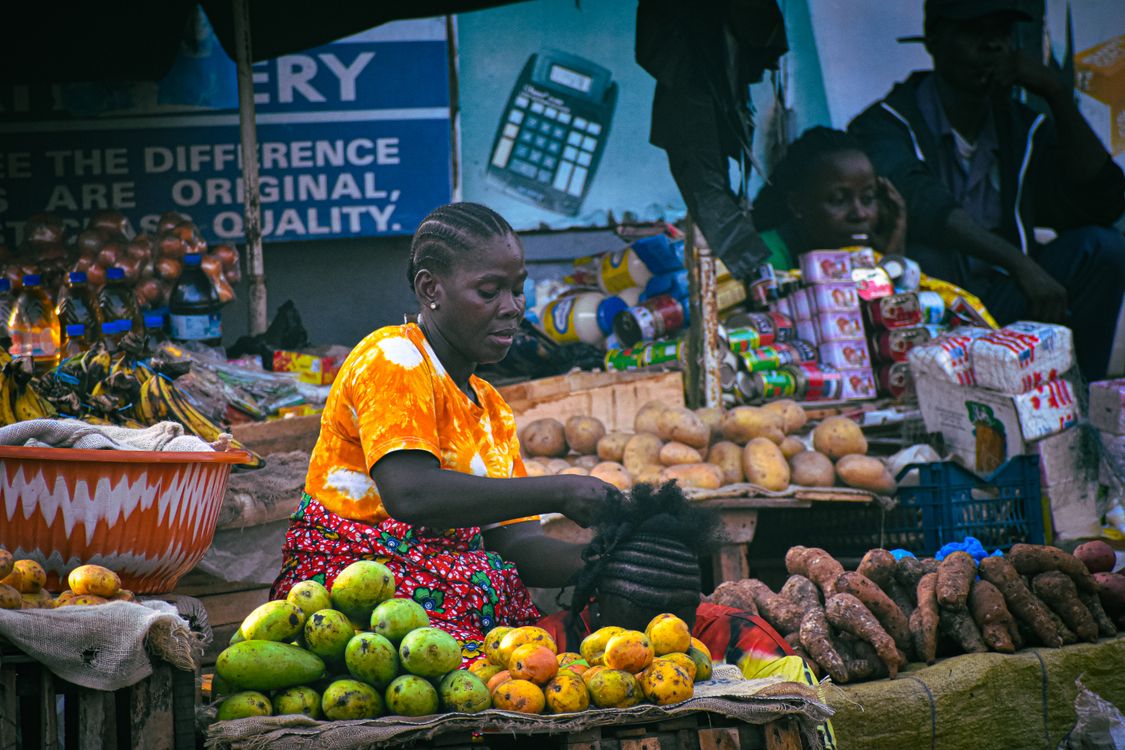
Walk through any Monrovia neighborhood and you'll see micro-businesses everywhere — phone credit sellers, street food vendors, tailors, hair braiders, and informal logistics operators all running tight, efficient operations with minimal capital. This isn't informality for lack of ambition; it's entrepreneurship adapted to the available infrastructure.
Many Liberians run multiple income streams simultaneously. A teacher might also sell goods on weekends; a nurse might have a catering side business. This adaptability is a source of real pride. Visitors interested in the business landscape will find a growing ecosystem of startups and SMEs worth engaging with — browse Liberian businesses across categories on TrueLiberia to get a feel for the range.
12. Liberians Welcome Visitors With Genuine Curiosity
Tourism in Liberia is still developing, which means visitors are often treated as genuinely interesting rather than as a revenue stream. Locals will ask where you're from, what you think of Liberia, and what brought you here — and they actually want to know. This creates a travel experience that feels personal rather than transactional.
That said, first impressions matter. Arriving with humility, a willingness to learn, and basic cultural awareness will unlock a level of access and warmth that no tour package can manufacture. Liberians can tell the difference between someone who's curious and someone who's condescending — and they respond accordingly.
Final Thoughts: What to Expect When You Arrive
Understanding what Liberian people are like before you arrive isn't just cultural homework — it's the difference between a surface-level visit and a genuinely transformative one. The 12 traits above aren't exhaustive, but they cover the social fundamentals that will shape nearly every interaction you have in the country.
Liberia rewards visitors who show up prepared, respectful, and genuinely open. The food is extraordinary, the beaches are world-class, the people are unforgettable — and the country is still early enough in its tourism journey that you're likely to experience it in an authentic way that more-visited destinations simply can't offer.
Ready to plan your trip? Find the best hotels and resorts in Liberia on TrueLiberia and start building your itinerary today. Or use the TrueLiberia Concierge service to get personalized recommendations from people who know Liberia inside out. Discover Liberia — you won't regret it.