The Real Answer to "Is Liberia Safe for Tourists?" in 2026
Liberia tourism safety is one of the most searched questions about West Africa right now — and most of the answers online are either outdated, overly cautious, or frustratingly vague. Here is the honest take: Liberia is safe for tourists who plan smart, stay informed, and travel with realistic expectations. It is not a zero-risk destination, but no country is. What it is is one of the most genuinely rewarding, undervisited places on the continent — with pristine beaches, warm people, and a culture unlike anywhere else.
This guide is built for first-time visitors arriving in 2025–2026. It covers safety by location, transport risks, health must-dos, local etiquette, and the specific mistakes that get tourists into trouble. Skip the fear-mongering. Skip the rose-tinted cheerleading. Here is what you actually need to know.
Safety by Location: Where to Go and What to Watch
Monrovia
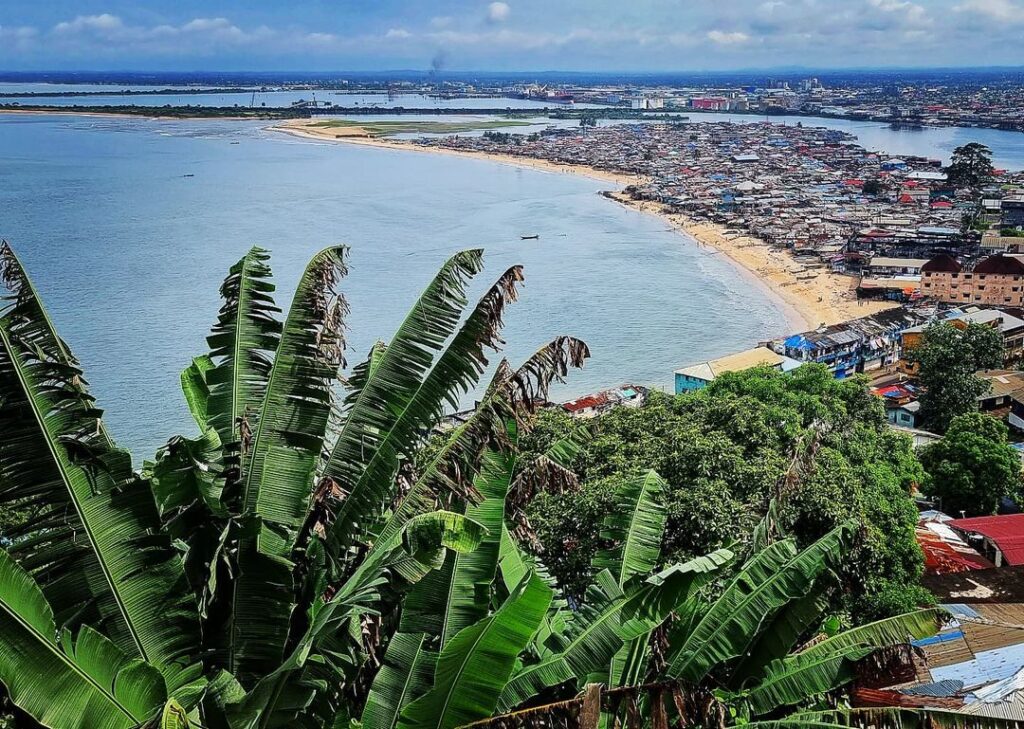
The capital is where most international visitors land and spend the bulk of their time. Central Monrovia — particularly the Mamba Point, Sinkor, and Congo Town neighborhoods — is considered the safest zone for tourists. These areas host most international hotels, restaurants, and embassies. Petty theft (phone snatching, pickpocketing) is the most common risk, especially in crowded markets like Waterside and Red Light.
Avoid walking alone after dark in any part of Monrovia. This is not a dramatic warning — it is simply standard practice in most West African capitals. Use a trusted driver or a hotel-arranged vehicle for evening movement. The risk is manageable, not paralyzing.
Certain neighborhoods — including parts of Bushrod Island and West Point — carry higher risk of opportunistic crime. They are not off-limits, but visiting without a knowledgeable local guide is a mistake most experienced travelers regret.
Upcountry Liberia
Travel outside Monrovia — to Nimba County, Lofa County, and the Sapo National Park region — is generally calm and increasingly popular with adventure travelers. The security situation in rural Liberia is more stable than many Western advisories suggest. Communities are tight-knit, and visitors are typically welcomed with genuine hospitality.
Road conditions are the bigger challenge upcountry, not crime. More on that in the transport section below. Plan upcountry trips with a reputable tour operator and always inform your accommodation of your route and expected return time.
The Beaches
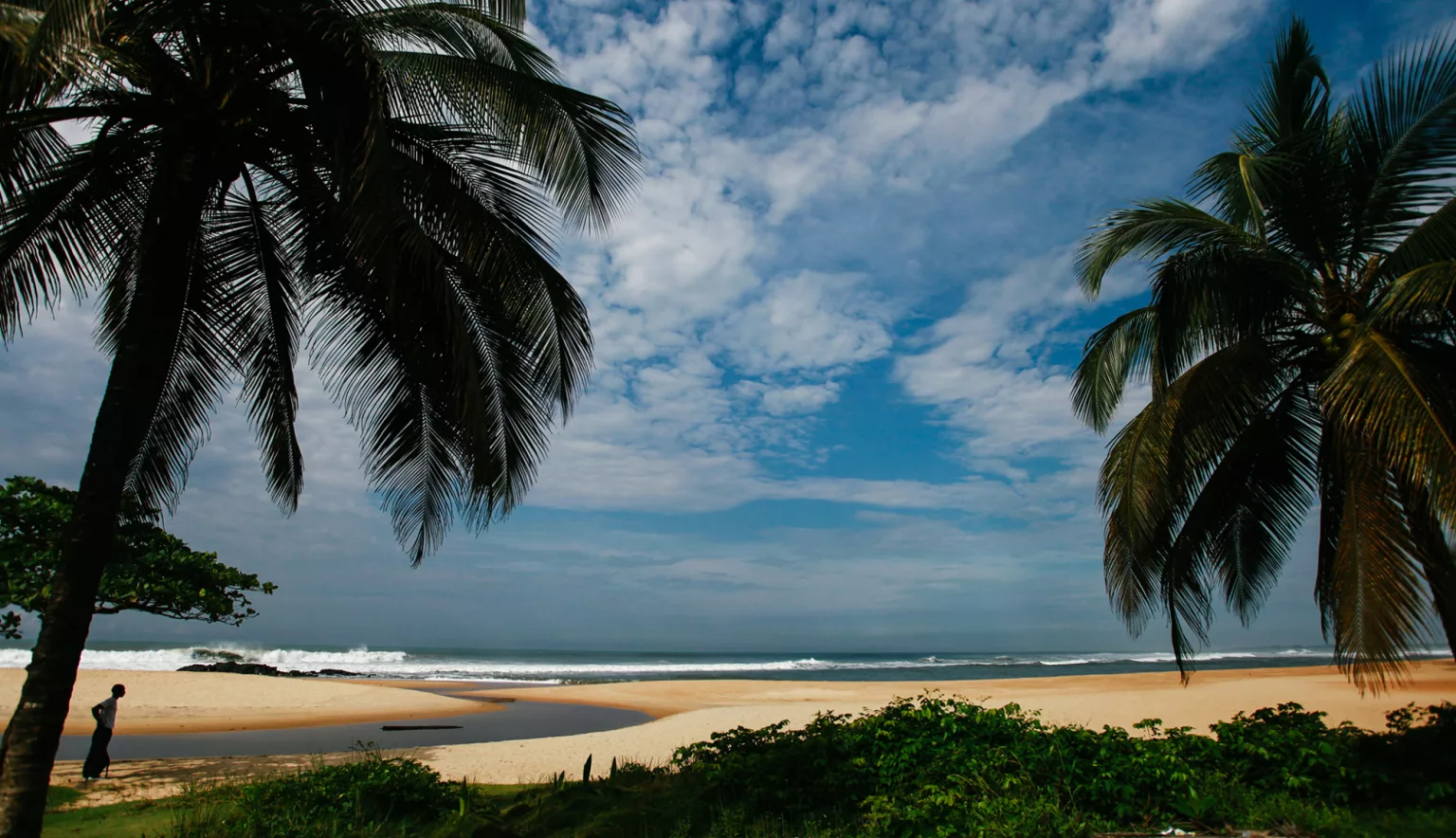
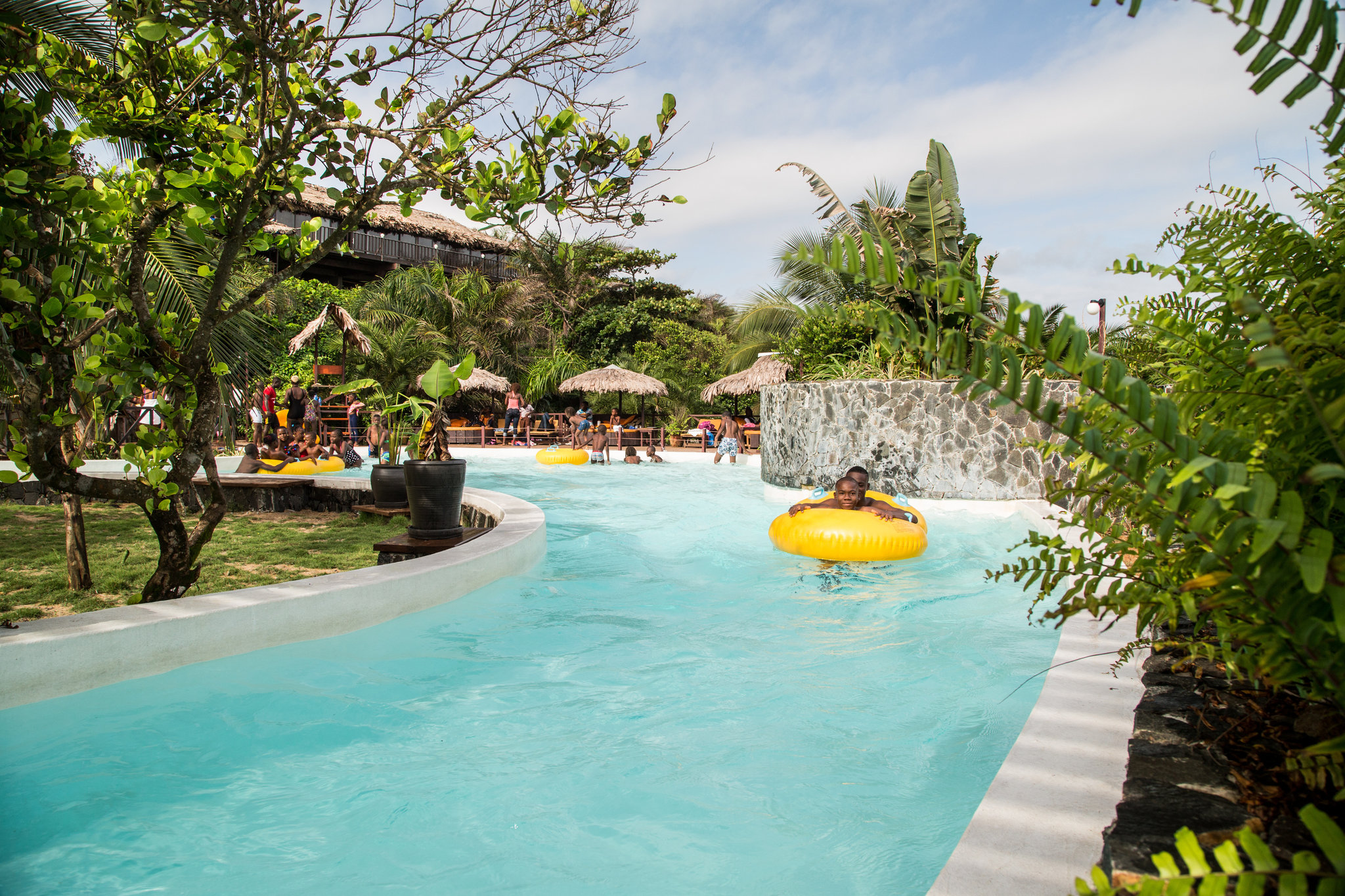
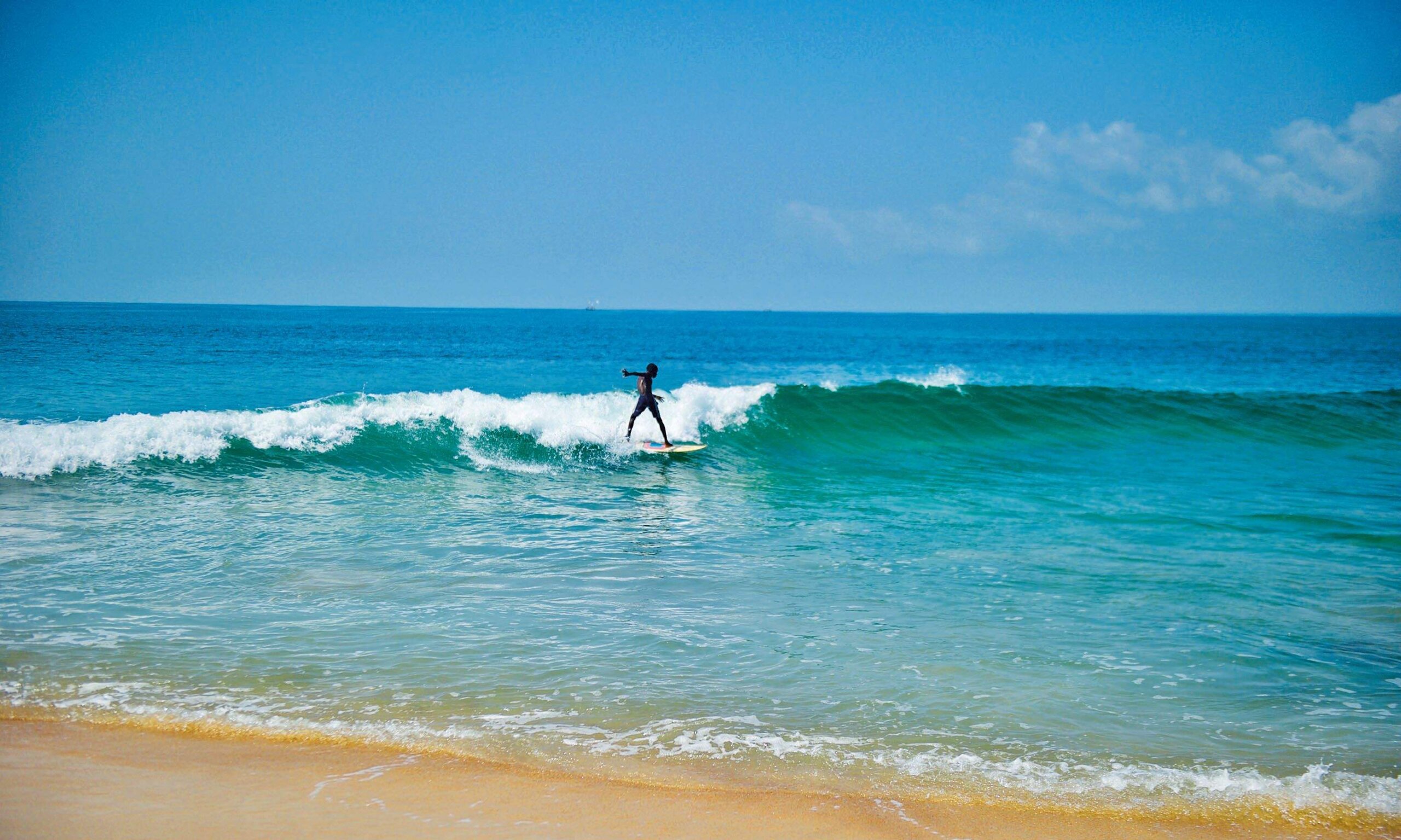
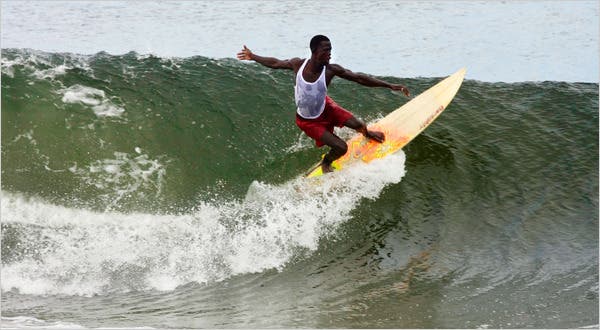
Liberia's coastline is one of its greatest assets. Robertsport, Silver Beach, and Kendeja Beach are popular with both locals and expats and are considered safe for daytime visits. Robertsport in particular has grown into a legitimate surf destination, drawing visitors from across the region.
Do not leave valuables unattended on any beach. Hire a local guide or beach attendant — many operate informally and for a small fee will watch your belongings and add real local context to your visit. Discover the best beaches and outdoor spots in Liberia through TrueLiberia's curated listings.
Transport Safety: The Risk Most Tourists Underestimate
Road safety is, statistically, the most serious risk facing visitors to Liberia. The road network has improved significantly since 2010, but large stretches — particularly outside Monrovia — remain unpaved, poorly lit, and subject to flooding during rainy season (May through October).
The most common transport mistakes first-time visitors make:
- Renting a car without a local driver. Liberian road culture, unmarked hazards, and police checkpoints are genuinely difficult to navigate without experience.
- Traveling after dark on upcountry roads. Even locals avoid this when possible.
- Using unregistered taxis without a fixed fare agreed upfront. Always negotiate before you get in.
- Underestimating journey times. Monrovia to Gbarnga, for example, is roughly 200 km but can take 4–5 hours on a good day.
The safest approach is to use hotel-recommended drivers or book through a registered tour operator. Several Monrovia-based operators offer day trips, airport transfers, and upcountry excursions with vetted, experienced drivers. If you need help finding trusted services, the TrueLiberia Concierge is a practical starting point for local recommendations.
For flights within the region, check available routes through the TrueLiberia flights resource — particularly useful if you are connecting from Accra, Abidjan, or Dakar.
Health Precautions: Non-Negotiable Before You Fly
Health preparation is where many tourists cut corners — and where the consequences are most serious. Malaria is endemic throughout Liberia and is the leading health risk for visitors. The good news is that it is entirely preventable with the right medication and precautions.
Before departure, consult a travel health clinic at least 4–6 weeks out. Standard recommendations include:
- Antimalarial medication — Atovaquone-proguanil (Malarone) or doxycycline are the most commonly prescribed. Start before arrival and complete the full course after leaving.
- Yellow fever vaccination — This is mandatory for entry into Liberia. You must carry your yellow card (International Certificate of Vaccination). Arriving without it can result in vaccination on the spot at the airport — or denial of entry.
- Typhoid and Hepatitis A vaccines — Strongly recommended given food and water conditions.
- Water safety — Drink only bottled or properly filtered water. This applies to ice in drinks as well.
The U.S. CDC Liberia Travel Health page provides the most current vaccination and health advisory information. Cross-reference it with your home country's travel health authority before finalizing your plan.
Bring a solid travel health kit: oral rehydration salts, broad-spectrum antibiotics (prescribed), insect repellent with at least 30% DEET, and a reliable mosquito net if you are staying anywhere outside a fully air-conditioned hotel.
Local Etiquette and Cultural Safety
Understanding local norms is not just about being respectful — it is a genuine safety tool. Tourists who engage respectfully with communities face far fewer problems than those who treat Liberia like a backdrop for content creation.
Key etiquette points every visitor should know:
- Greetings matter enormously. Taking a moment to greet people — even briefly — before asking for directions or taking photos builds immediate goodwill. Liberians are warm and conversational by culture.
- Always ask permission before photographing people, military installations, government buildings, or markets. Photography of certain sites is restricted and can attract unwanted attention from security personnel.
- Dress modestly outside of beach areas. This is especially important in rural communities and places of worship.
- Bargaining is normal in markets, but aggressive or dismissive haggling is considered rude. Engage with good humor.
- Public displays of affection are not the norm and can draw negative attention in conservative communities.
Liberia's political environment is generally stable under the current administration. However, avoid attending or photographing political gatherings or protests — not because violence is likely, but because the situation can shift quickly and tourists have no standing to navigate it safely.
Smart Planning: Practical Steps Before and During Your Trip
Planning is where Liberia tourism safety is won or lost. Most incidents involving tourists are preventable with straightforward preparation.
Before You Arrive
- Register with your country's embassy in Monrovia or use your government's travel registration system (e.g., the U.S. STEP program or the UK's FCDO Liberia travel advice).
- Arrange your visa in advance. Liberia offers visas on arrival for many nationalities, but processing times at Roberts International Airport can be slow. A pre-arranged visa saves significant stress.
- Get comprehensive travel insurance that explicitly covers medical evacuation. Monrovia has limited specialist medical facilities; serious cases are evacuated to Accra or Europe.
- Download offline maps (Maps.me or Google Maps offline) for Monrovia and your planned routes. Mobile data can be patchy outside the capital.
On the Ground
- Keep a low profile with valuables. A basic phone and a money belt beat a visible camera bag every time.
- Carry small bills in Liberian dollars for markets and taxis. Large USD notes can be hard to change and attract unnecessary attention.
- Establish a daily check-in routine with someone at home or your hotel.
- Know the location of your nearest embassy and have the emergency contact saved offline.
Once you are settled, TrueLiberia makes it easy to find vetted local businesses — from top-rated Liberian restaurants to hotels and resorts that meet international standards. Booking through known, reviewed establishments is itself a safety measure — it means you have a reliable local contact if anything goes wrong.
What the Travel Advisories Actually Say — and How to Read Them
Most Western government travel advisories currently rate Liberia at a Level 2 ("Exercise Increased Caution") — the same rating applied to France, Germany, and dozens of other popular tourist destinations. This is not a "do not travel" warning. It is an acknowledgment that, like any country, Liberia has areas and situations that require awareness.
Read advisories critically. They are written by governments with legal liability in mind, not by travel writers trying to give you a balanced picture. The specific concerns cited — petty crime, road safety, health risks — are real, but they are also manageable with the preparation outlined in this guide.
The gap between the advisory language and the actual day-to-day experience of informed tourists in Liberia is significant. Thousands of expats, NGO workers, and independent travelers move through Monrovia and upcountry Liberia every year without serious incident. The key word is informed.
Why Liberia Is Worth the Preparation
Here is the argument this guide is willing to make plainly: Liberia is one of the most underrated travel destinations in West Africa, and the window to experience it before mass tourism arrives is still open. Robertsport's surf breaks are world-class and uncrowded. Sapo National Park — one of the largest remaining rainforests in West Africa — offers genuine wilderness. The food, the music, the English-speaking warmth of Liberians — these are not minor perks. They are the reasons people come back.
Visitors who do their homework, respect local norms, and engage with the country on its own terms consistently report Liberia as a highlight of their West Africa travels. The preparation is real. So is the reward.
Ready to start planning? Explore everything Liberia has to offer — restaurants, hotels, beaches, events, and more — at TrueLiberia.com. And if you want personalized recommendations for your trip, get in touch with the TrueLiberia Concierge at trueliberia.com/concierge — local knowledge, curated for your itinerary.