Planning a trip to West Africa and wondering exactly what the Liberia travel requirements are for Americans? You're not alone. Searches for "travel to Liberia from USA" have been climbing steadily, yet most guides online offer little more than a bullet list of vaccinations and a vague warning about road conditions. This guide goes further. It walks you through every entry requirement, flags the real risks (and the ones that are overblown), and then connects you to the beaches, food, hotels, and nightlife that make Liberia genuinely worth the flight.
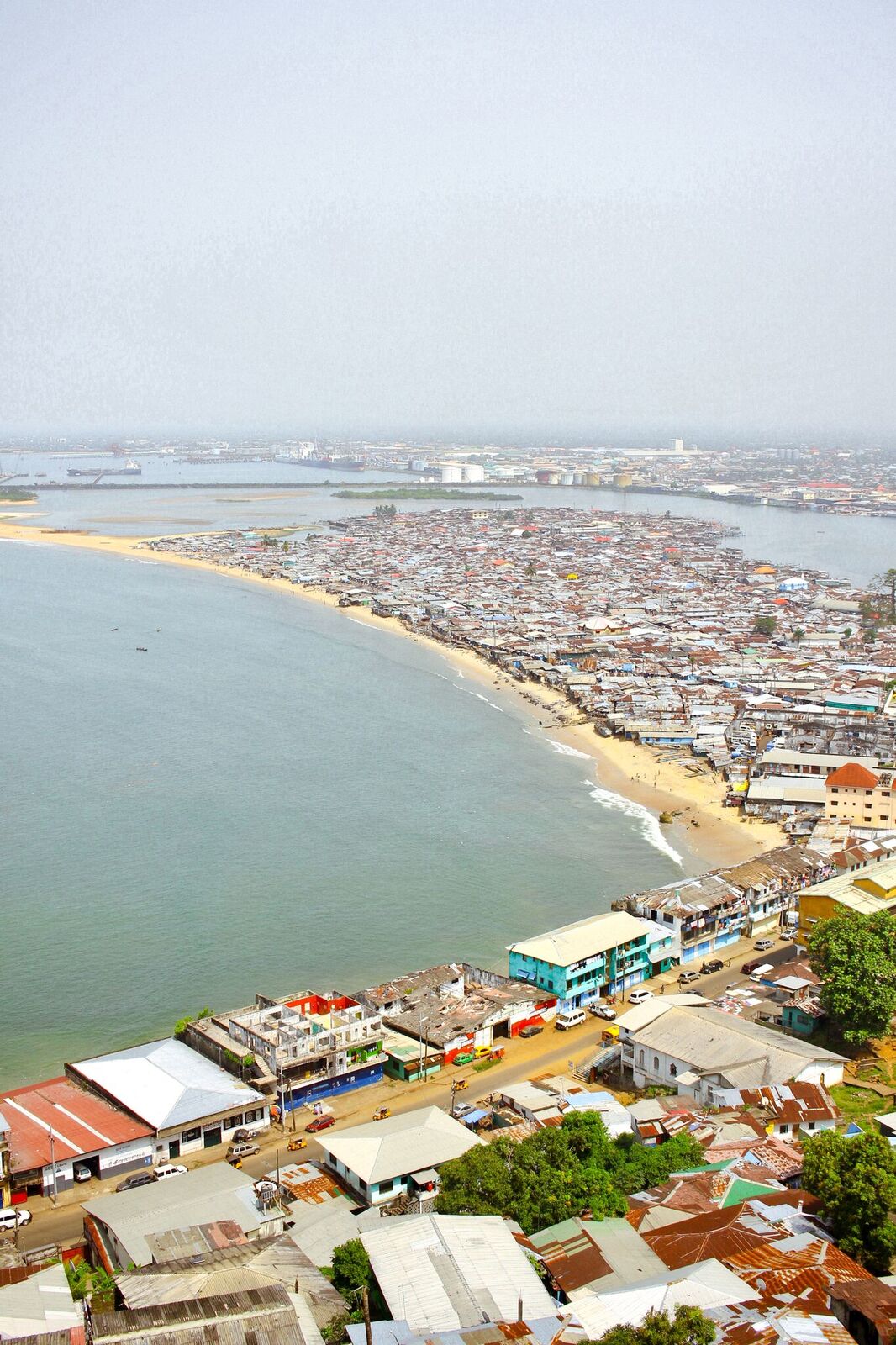
Liberia Travel Requirements: What Every American Needs Before Boarding
Let's be direct: the paperwork side of visiting Liberia is more straightforward than most travelers expect. The biggest mistake first-timers make is assuming they can sort everything out on arrival. You cannot — and showing up without the right documents will get you turned back at Roberts International Airport (ROB), located about 56 km east of Monrovia.
Here is the non-negotiable checklist for U.S. citizens:
- Valid U.S. passport — must be valid for at least six months beyond your planned departure date from Liberia.
- Tourist visa — Americans are not visa-exempt. You must obtain a visa before travel. The standard tourist visa costs $100 USD and is available through the Embassy of Liberia in Washington, D.C.
- Yellow Fever vaccination certificate — This is mandatory, not recommended. Border officials will check your International Certificate of Vaccination (the yellow card). No card, no entry.
- Return or onward ticket — Immigration officers routinely ask for proof you plan to leave.
- Proof of accommodation — A hotel booking confirmation or a letter from a host in Liberia satisfies this.
Processing the visa at the embassy typically takes 5–10 business days. Apply at least three weeks before your departure to leave buffer room. There is currently no e-visa portal that reliably processes U.S. applications end-to-end, so do not rely on third-party visa agencies that claim otherwise — several travelers have reported paying fees and receiving nothing usable.
Health Documentation and Required Vaccinations
Yellow fever is the only vaccination legally required for entry, but the U.S. Centers for Disease Control and Prevention (CDC) recommends several others. Treat these recommendations seriously — Liberia sits in a tropical zone with genuine disease exposure.
- Hepatitis A and B — both recommended; Hep A is especially relevant given food and water exposure.
- Typhoid — strongly recommended if you plan to eat outside of high-end hotel restaurants.
- Malaria prophylaxis — Liberia has high malaria transmission year-round. Start your prophylaxis (atovaquone-proguanil or doxycycline are common choices) before you leave the U.S. and continue after you return.
- Rabies pre-exposure — worth considering if you plan extended rural travel or work with animals.
Pack a small medical kit: oral rehydration salts, antidiarrheal medication, a digital thermometer, and insect repellent with at least 30% DEET. Pharmacies in Monrovia exist but stock can be inconsistent.
Getting There: Flights from the USA to Liberia
There are no nonstop flights from the United States to Roberts International Airport. Every routing involves at least one connection. The most common hubs are Brussels (BRU) via Brussels Airlines, Casablanca (CMN) via Royal Air Maroc, and Addis Ababa (ADD) via Ethiopian Airlines. Total travel time from the U.S. East Coast typically runs 18–24 hours including layover.
Round-trip fares from New York or Washington, D.C. generally range from $900 to $1,600 USD, depending on season and how far in advance you book. January through March tends to be cheaper and drier — a good window for first-timers. The rainy season runs roughly May through October; roads become significantly harder to navigate during this period.
You can explore flight options directly through TrueLiberia's flights page to find current routing options and plan your trip.
Safety in Liberia: Honest Assessment for Western Travelers
The U.S. State Department currently rates Liberia at Level 2: Exercise Increased Caution — the same rating applied to countries like France and the Netherlands. That context matters. Liberia is not an active conflict zone. The civil wars ended in 2003, and the country has held multiple peaceful elections since then.
That said, real risks exist and deserve honest treatment:
- Petty crime — Pickpocketing and bag snatching occur in crowded areas of Monrovia, particularly around Waterside Market and Broad Street. Keep valuables secured and avoid displaying expensive electronics openly.
- Road safety — This is the most underrated risk. Roads outside Monrovia are often unpaved, poorly lit, and shared with motorcycles that don't follow traffic rules. Hire a driver with local knowledge rather than self-driving, especially after dark.
- Power and water infrastructure — Outages are common. Better hotels run generators. Budget accommodation may not. Confirm this before booking.
- Scams targeting foreigners — Be cautious of unsolicited "fixers" at the airport who offer to help with customs or transport. Use pre-arranged transfers from your hotel when possible.
The U.S. State Department's Liberia page is worth bookmarking and checking within 72 hours of your departure for any updated advisories.
Neighborhoods and Areas Worth Knowing
Monrovia is the entry point for almost every visitor. Mamba Point and Sinkor are the safest and most visitor-friendly neighborhoods — most international hotels, restaurants, and embassies cluster here. Congo Town and Paynesville are more residential and less polished for tourists, though not dangerous with a local guide.
Staying in Mamba Point gives you easy access to the Atlantic Ocean, beachside dining, and the main commercial districts — without navigating the more chaotic parts of the city unnecessarily.
Money, Communication, and Practical Logistics
Liberia uses the Liberian Dollar (LRD), but the U.S. dollar is widely accepted — in many places, it's preferred. Most mid-range and upscale establishments quote prices in USD. The exchange rate hovers around 190–200 LRD per $1 USD, though it fluctuates.
ATMs exist in Monrovia but are unreliable outside the city. Bring enough USD cash to cover your entire trip, plus a 20% buffer. Credit cards are accepted at a growing number of hotels and restaurants, but don't count on it everywhere. You can check which businesses in Liberia accept bank cards on TrueLiberia before you go — a genuinely useful filter when planning your itinerary.
SIM cards from Lonestar Cell MTN or Orange Liberia are available at the airport and cost roughly $2–5 USD. Data packages are affordable and 4G coverage is reasonable in Monrovia. WhatsApp is the dominant communication app — install it before you land.
What to Do, Eat, and Experience in Liberia
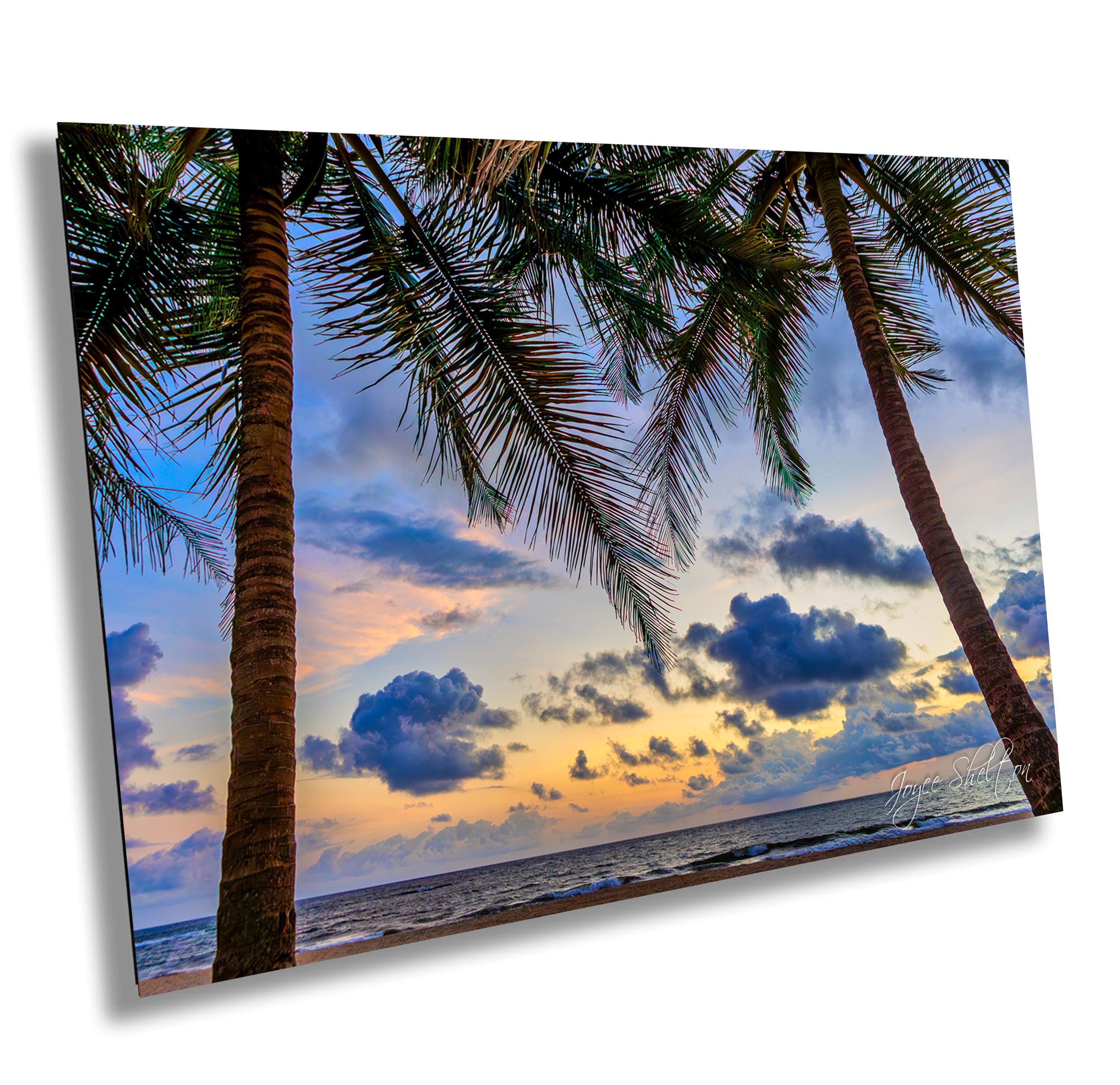
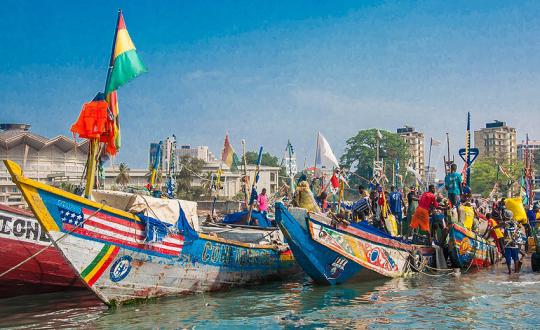
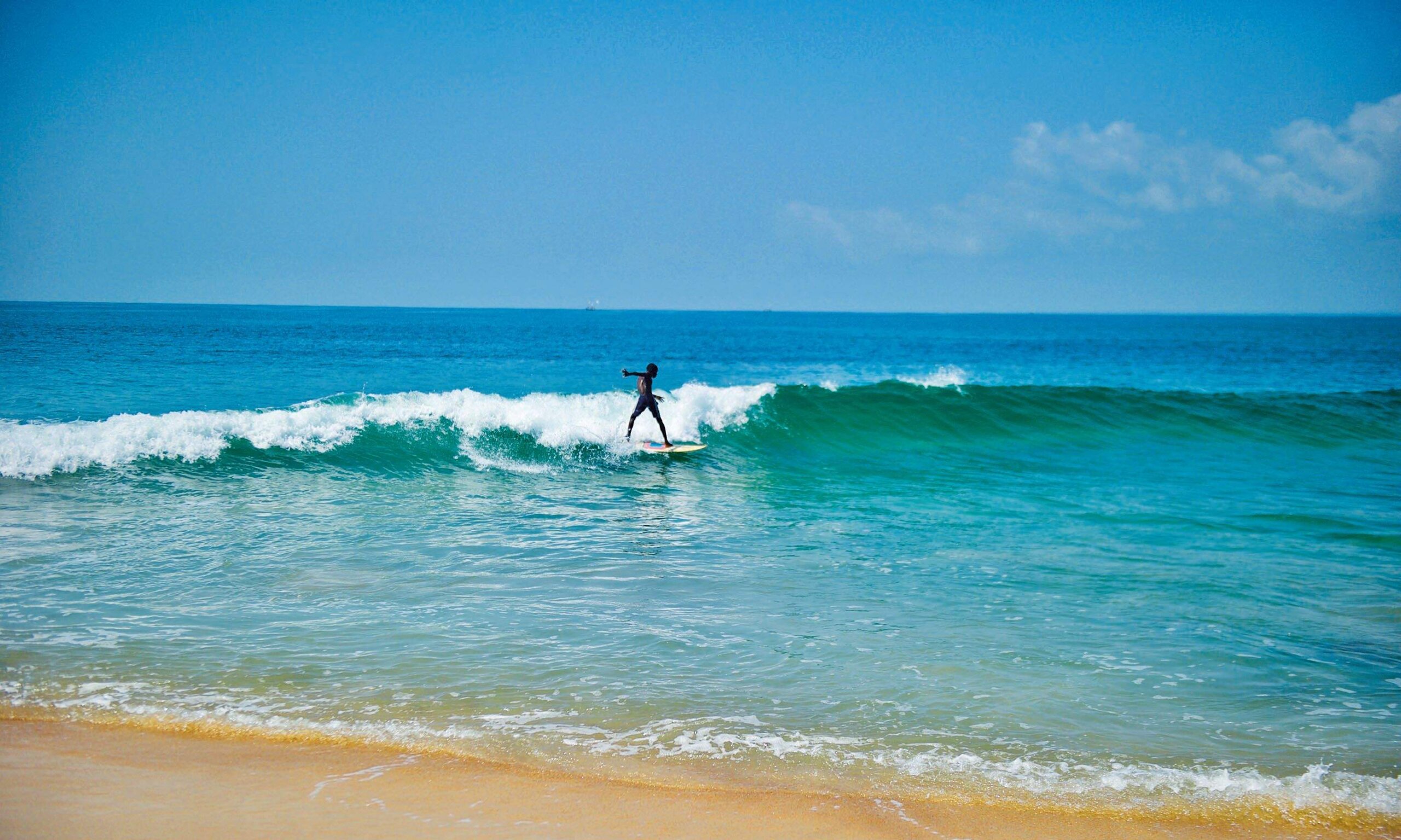
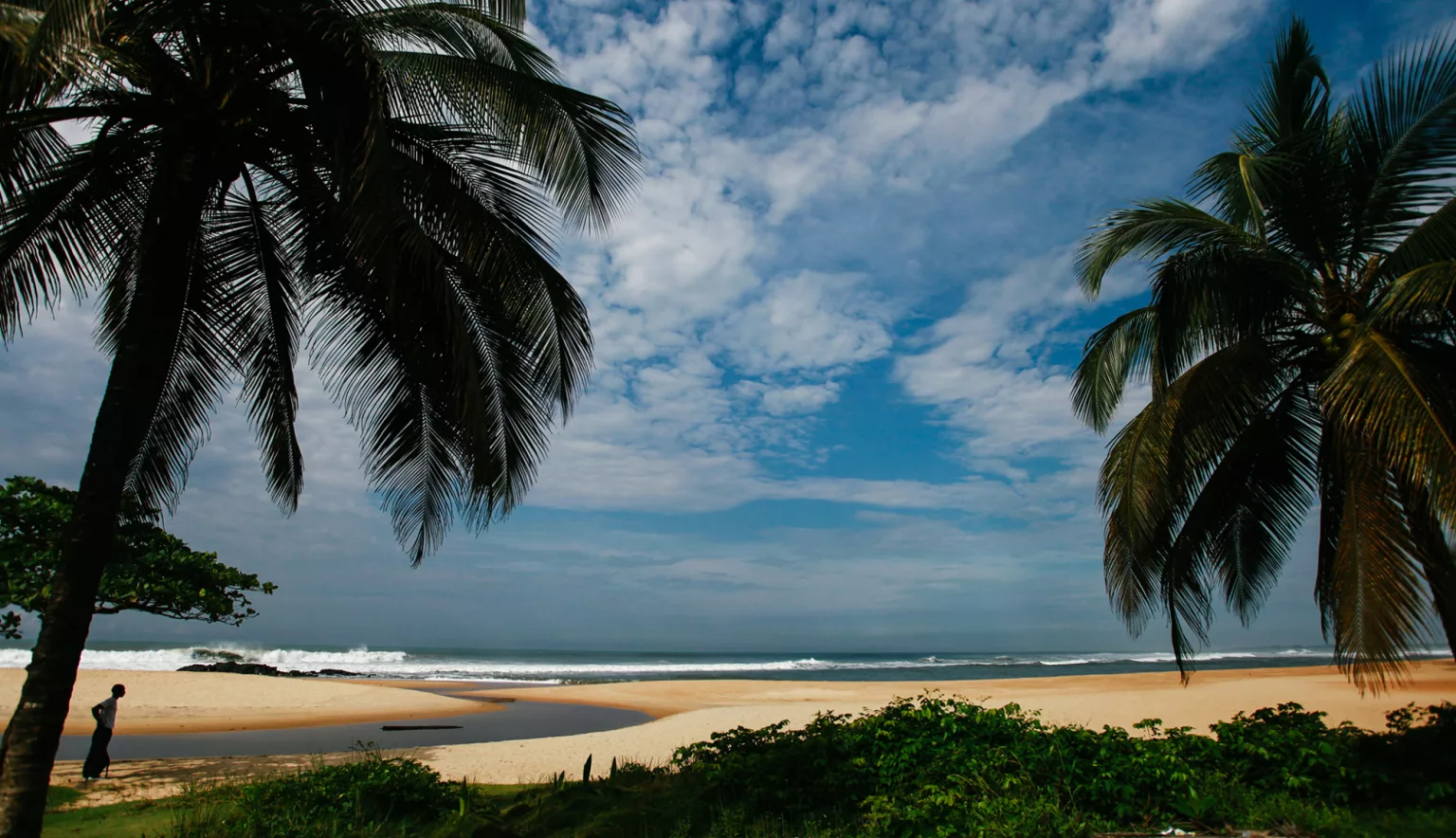
Here's where the generic travel advisory stops and the real trip begins. Liberia has 580 km of Atlantic coastline, most of it undeveloped and genuinely stunning. Robertsport, about 130 km northwest of Monrovia, has become a surf destination with real credibility — waves that attract international surfers but still feel uncrowded compared to anywhere in Europe or the Americas.
Closer to Monrovia, Thinker's Village Beach and Elwa Beach are popular weekend spots for locals and expats alike. Explore the full range of beaches and outdoor activities listed on TrueLiberia to find options that match your pace and interests.
Liberian Food: What to Order and What to Expect
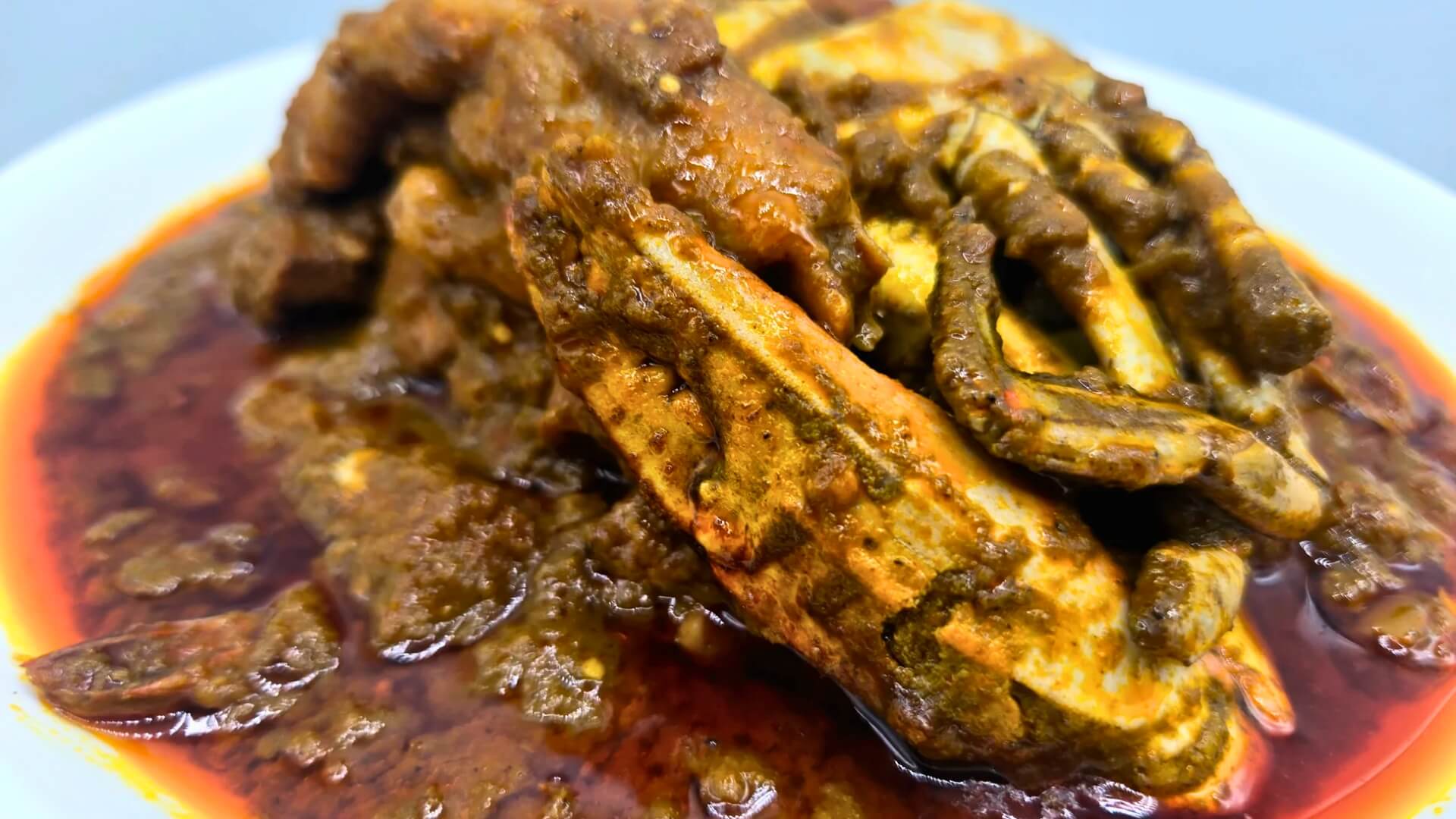
Liberian cuisine is deeply satisfying once you know what to order. Pepper soup — a spiced broth with fish or goat — is the dish most visitors remember longest. Palm butter soup served over rice is the national comfort food. Fufu (pounded cassava) and jollof rice are staples you'll find everywhere.
For seafood, Monrovia's proximity to the Atlantic means fresh fish is available daily. Street food is generally safe if you stick to cooked items served hot. Avoid raw salads and unpeeled fruit from street stalls unless you're confident about the water source used to wash them.
Upscale dining exists — particularly in Mamba Point — with restaurants serving Lebanese, Indian, and international cuisine alongside Liberian dishes. Browse Liberian restaurants on TrueLiberia to find reviewed options before you arrive, so you're not making decisions while jet-lagged and hungry.
Hotels, Nightlife, and Entertainment
Accommodation in Liberia ranges from international-standard hotels (the Farmington Hotel near the airport and the Palm Spring Hotel in Monrovia are frequently cited by business travelers) to guesthouses and AirBnB-style rentals in residential neighborhoods. Prices for a solid mid-range room run $80–150 USD per night; budget guesthouses start around $30–50 USD.
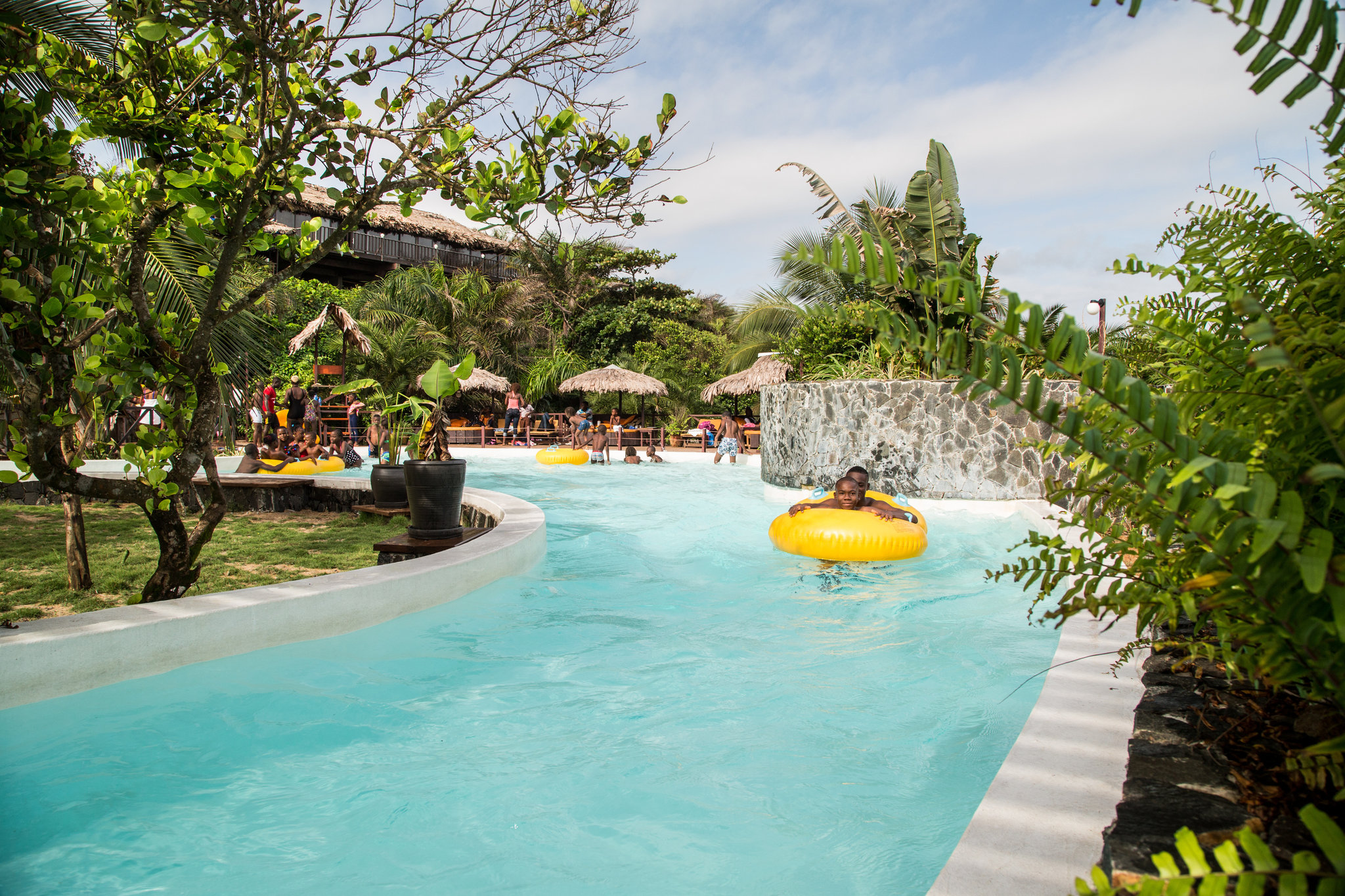
Search and compare hotels and resorts in Liberia on TrueLiberia to find properties with verified details, including which ones accept card payments and offer reliable generator power — two factors that matter more than star ratings in this market.
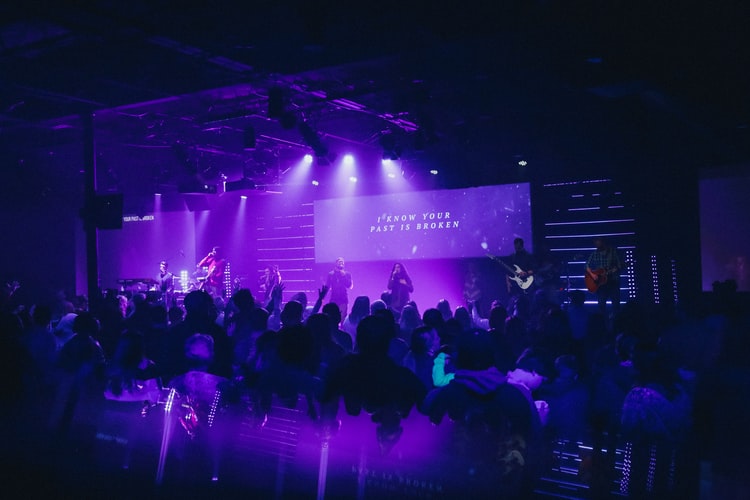
Monrovia's nightlife is livelier than most first-timers expect. Sinkor and Mamba Point have bars and clubs that run late on weekends, with Afrobeats, hip-hop, and local music. The scene is informal and welcoming. As with any city, stick to well-lit, populated venues and arrange your return transport before you go out — not after.
First-Timer Mistakes to Avoid
Experience — from travelers who've done this before — surfaces a consistent set of errors. Avoid these and your trip will be measurably smoother:
- Leaving visa applications to the last minute. The embassy is not fast. Apply four weeks out, not four days.
- Assuming USD cash is available from ATMs. It isn't always. Bring cash from home.
- Booking accommodation without checking generator availability. A hotel without backup power in a city with rolling blackouts is a miserable experience.
- Underestimating travel time between destinations. 100 km in Liberia can take three to four hours on unpaved roads. Build this into your itinerary.
- Skipping malaria prophylaxis. Malaria is the leading cause of illness among visitors. Start your medication before you leave the U.S.
- Not registering with the U.S. Embassy. Enroll in the Smart Traveler Enrollment Program (STEP) at travel.state.gov. It's free and ensures the embassy can reach you in an emergency.
Ready to Plan Your Liberia Trip?
Liberia rewards travelers who come prepared. The Liberia travel requirements for Americans — visa, yellow fever certificate, valid passport — are manageable with a few weeks of lead time. The safety picture is nuanced but navigable. And what waits on the other side is a country with wild Atlantic beaches, warm and genuinely hospitable people, and a food culture that deserves far more international attention than it gets.
Start building your itinerary now. Use the TrueLiberia concierge service to get personalized recommendations for hotels, restaurants, and experiences tailored to your travel dates and budget. Or browse the full TrueLiberia directory to discover what Liberia has to offer — from beachside bars to spa days to live events.
The trip is more doable than you think. The only thing left is booking it.