Liberian food is one of West Africa's best-kept secrets — bold, deeply satisfying, and rooted in centuries of coastal and forest-edge cooking. Yet outside the diaspora, it rarely gets the spotlight it deserves. Monrovia, Liberia's capital and commercial heart, is where that story is changing fast. Professional chefs are opening proper restaurants, street food vendors are drawing curious visitors, and the city's markets pulse with ingredients that tell you exactly what's on tonight's menu. Whether you're a first-time visitor, a returning Liberian, or a member of the diaspora hungry for the real thing, this guide cuts through the noise and points you to the authentic experiences worth your time and money.
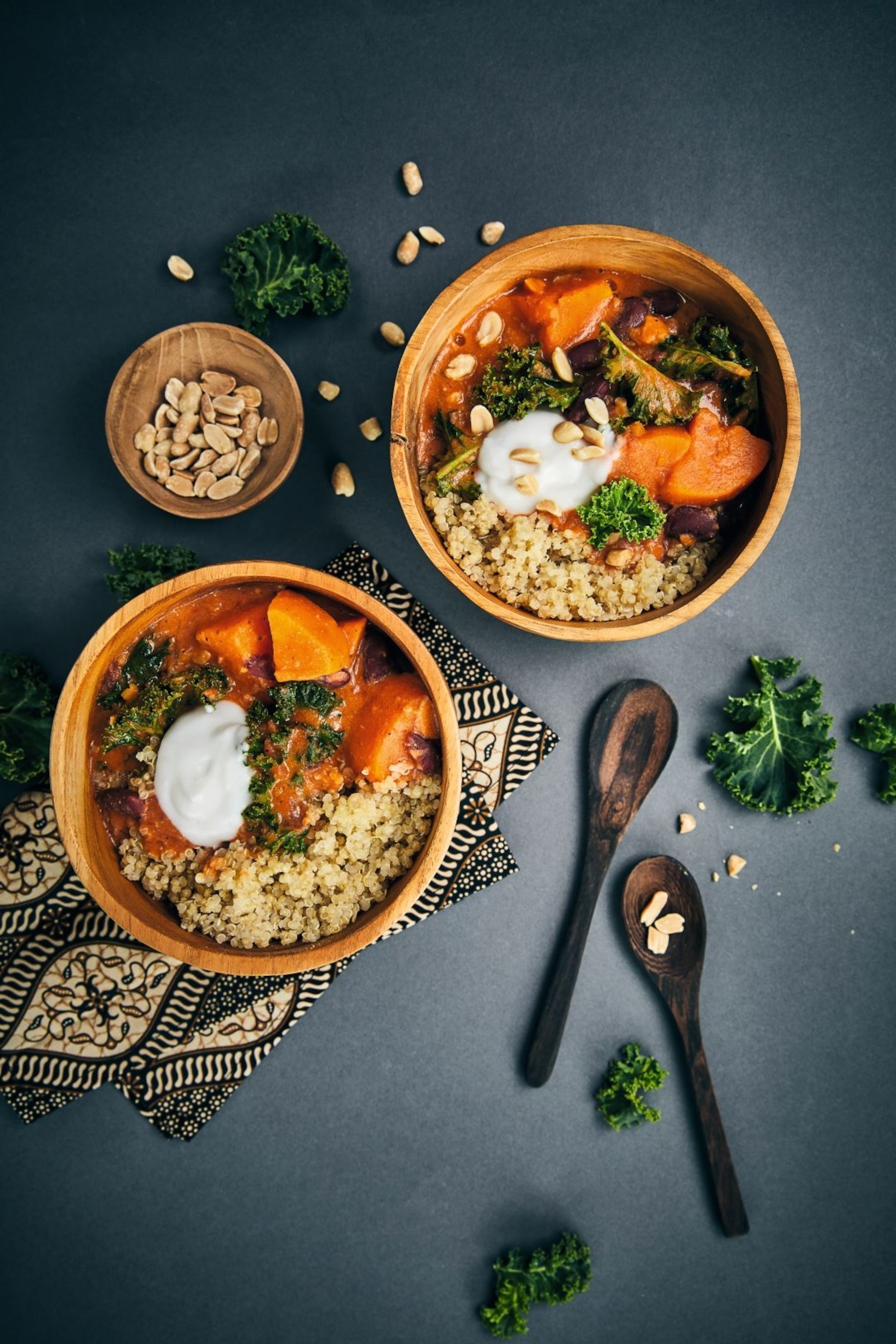
1. Palm Butter Soup: The Dish That Defines Liberian Cooking
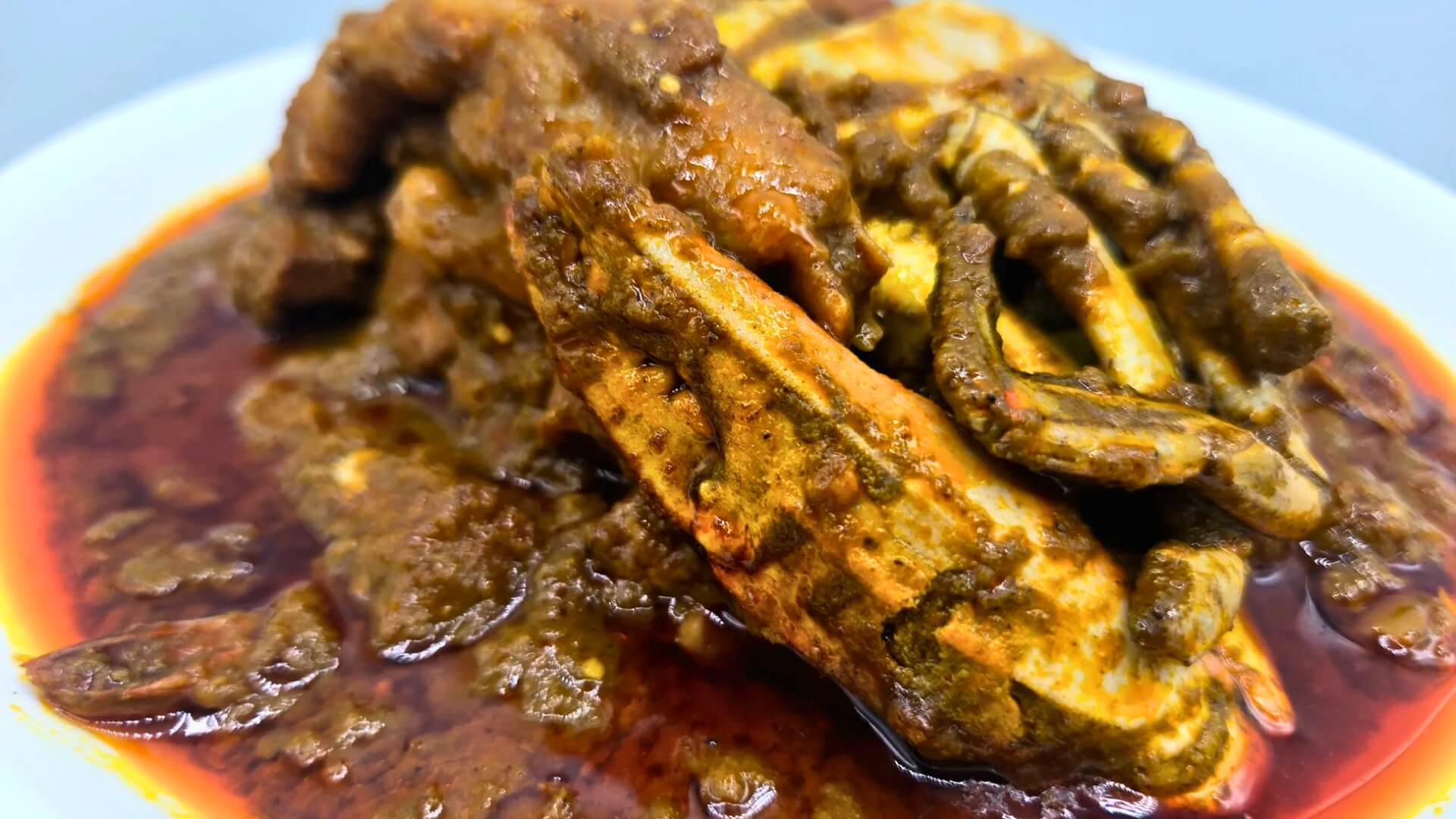
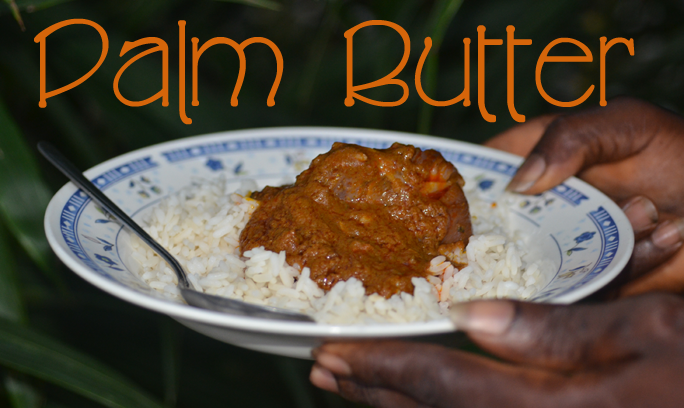
If you eat only one thing in Monrovia, make it palm butter soup. Made from the boiled and strained pulp of palm fruit, this thick, rust-colored stew is simmered with chicken, fish, or beef and seasoned with hot pepper, dried fish, and sometimes bitter ball (garden egg). It is rich in a way that no other West African soup quite matches — coating the mouth with a savory, slightly smoky depth. Served over white rice, it is the Liberian equivalent of a Sunday roast: communal, celebratory, and non-negotiable.
The common mistake visitors make is ordering it at tourist-facing restaurants where the palm base comes from a tin. Seek out spots in Sinkor or Congo Town neighborhoods where the palm fruit is processed in-house — you can usually tell by the faint, nutty aroma drifting from the kitchen. Expect to pay between USD 5–12 for a full plate at a mid-range Monrovia restaurant.
2. Pepper Soup and Goat Meat: Street Food Done Right
Liberian pepper soup is not a gentle broth. It is a clear, fiery stock built on country peppers (a small, intensely hot local variety), uziza leaves, and whatever protein the cook favors — goat, chicken, or fresh fish. Goat pepper soup is the street-food champion. Vendors set up along Randall Street and near the Waterside Market from late afternoon, and by 7 PM the benches are full.
The trade-off here is comfort versus authenticity. Street stalls deliver the most genuine flavor, but seating is basic and hygiene standards vary. A safer middle ground: look for small chop bars — informal indoor eateries — where the same recipes are cooked daily in a slightly more controlled environment. A generous bowl runs about USD 2–4, making it the best-value meal in the city.
- Best time to visit street vendors: 6 PM – 9 PM
- Key neighborhoods: Waterside, Broad Street, Sinkor
- What to order alongside: Cold Club Beer or a bottled Vimto
3. Jollof Rice, Liberian-Style: Why It Stands Apart
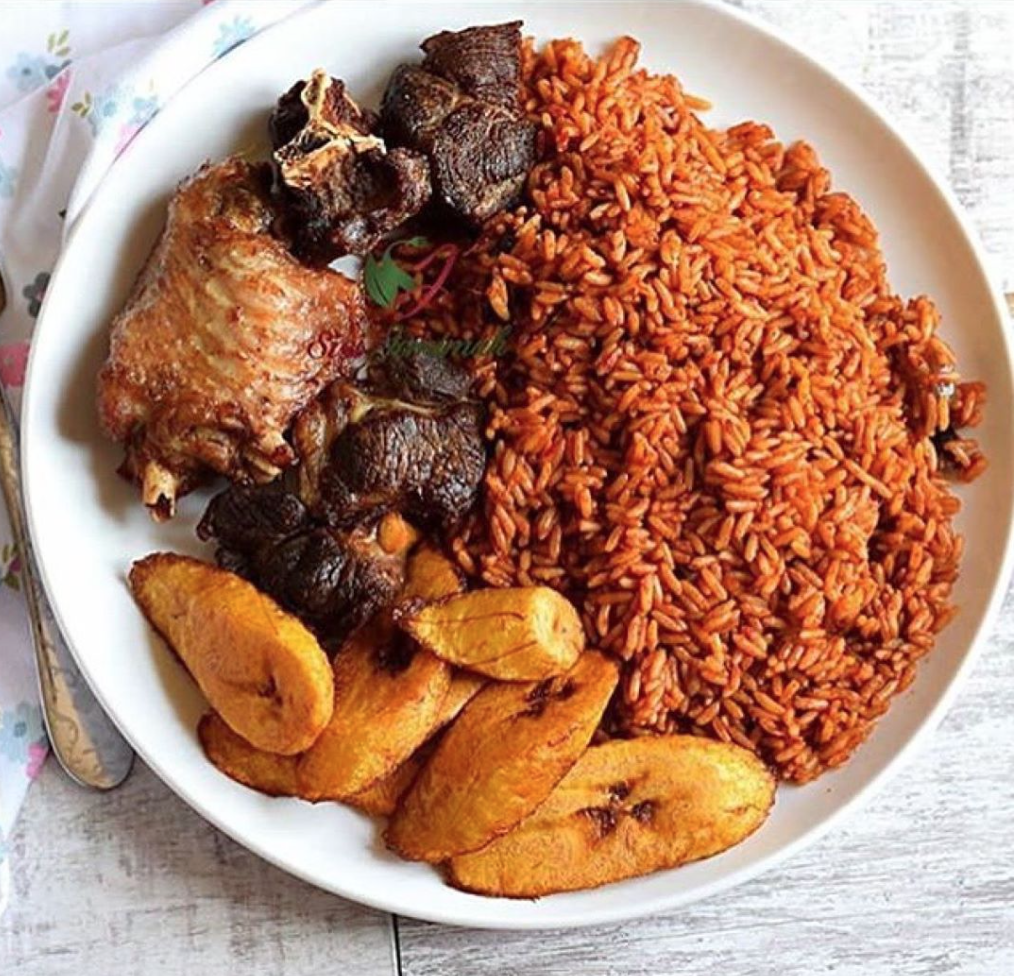
The West African jollof debate is fierce, but Liberian jollof rarely enters the conversation — which is a shame, because it earns its place at the table. Unlike the tomato-forward Ghanaian version or the smoky Nigerian party jollof, Liberian jollof leans on a base of onions, green peppers, and a restrained amount of tomato paste, giving it a lighter, almost golden color. It is almost always cooked with chicken and served with a side of fried plantain.
Restaurants in the Mamba Point and Sinkor areas — which cater to both expats and middle-class Liberians — do reliable versions. Ask specifically for Liberian jollof rather than just "jollof rice" so the kitchen doesn't default to a generic West African recipe. Portions are generous; a full plate with chicken typically costs USD 8–15 at a sit-down restaurant.
4. Fufu and Soup: The Comfort Food Backbone of Liberian Restaurants
Fufu — cassava or plantain pounded to a smooth, elastic dough — is the starch that anchors Liberian home cooking. It is eaten by hand, pinched into small pieces and dipped into soup. The soups that accompany it range from palava sauce (made from greens, often potato leaf or cassava leaf, cooked down with palm oil and smoked fish) to okra soup and dry rice soup. Each one has its own texture and heat profile.
The single biggest mistake first-timers make with fufu is using a fork. Eating it with utensils changes the texture experience entirely and signals to any Liberian watching that you haven't done this before. Use your right hand, keep portions small, and let the soup do the work. Most traditional Liberian restaurants in Monrovia serve fufu and soup as a set, priced between USD 4–10 depending on the protein.
- Palava sauce — earthy, slightly bitter, best with smoked fish
- Okra soup — viscous, peppery, pairs well with beef
- Cassava leaf soup — mild, slow-cooked, the most widely available
5. Monrovia's Waterside Market: The Best Ingredient Hunt in the City
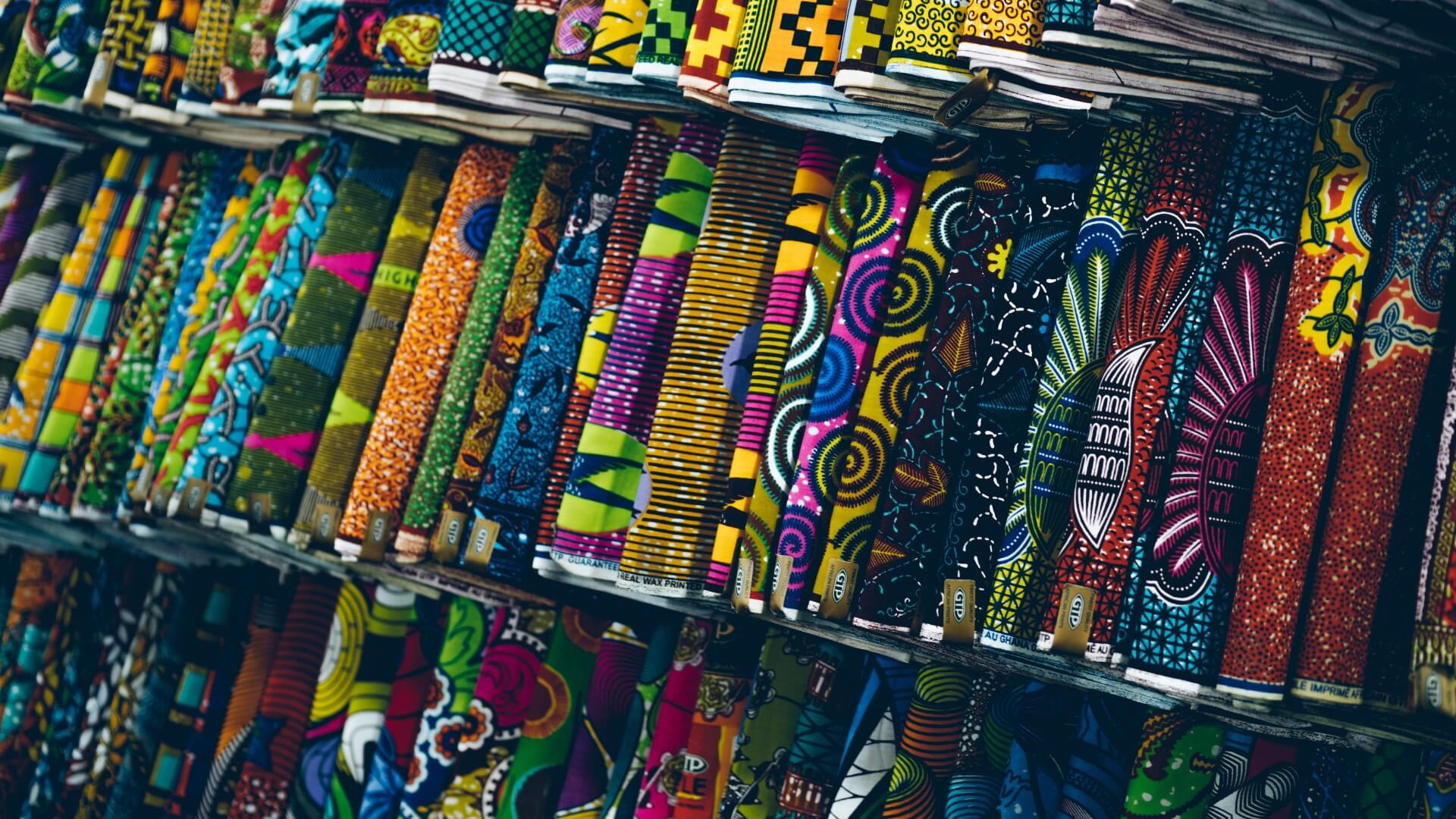
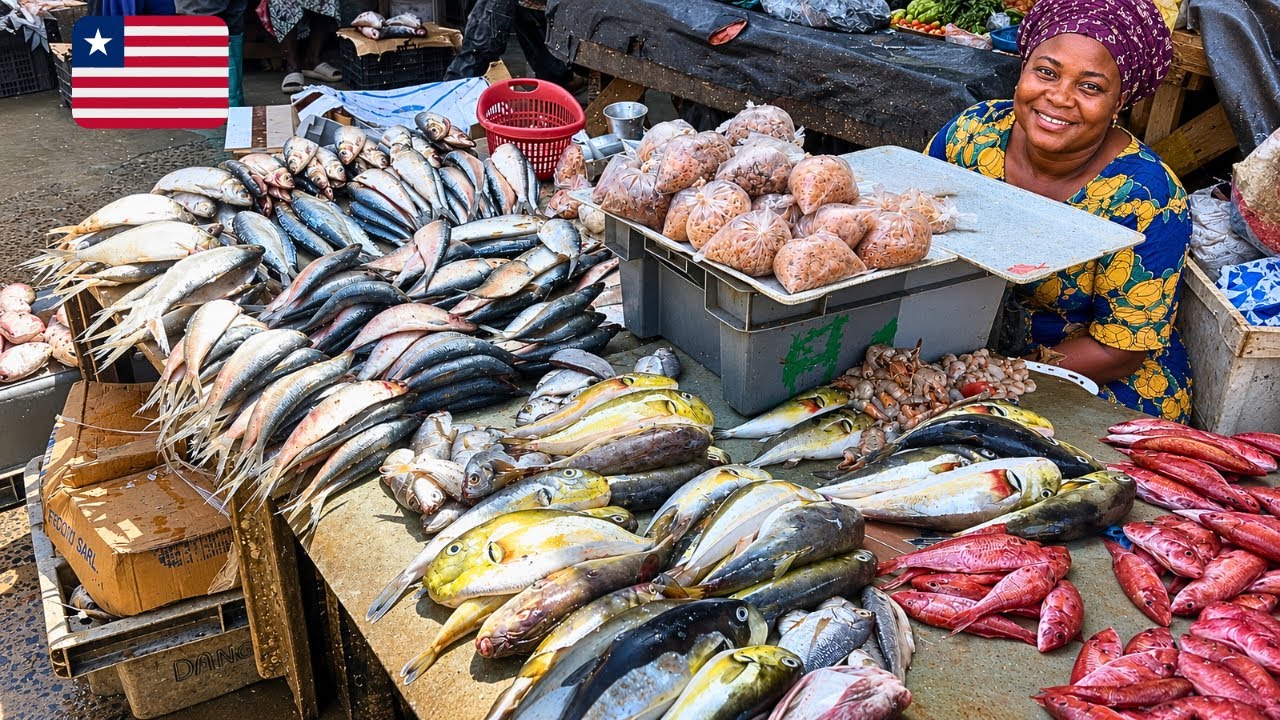
No food guide to Monrovia is complete without the Waterside Market. Stretching along the St. Paul River estuary, this sprawling open-air market is where professional cooks, home chefs, and curious visitors all converge. You'll find fresh and dried fish stacked in pyramids, piles of country pepper in every shade from green to deep red, palm oil sold by the bottle or the jerry can, and smoked meats that perfume the whole block.
Arrive before 9 AM to get the best selection and avoid peak-hour crowds. Prices are negotiable — vendors expect it — but don't lowball aggressively on small quantities. For context, a 500ml bottle of red palm oil costs roughly LRD 300–500 (approximately USD 1.50–2.50). Dried bitterball, country onion, and uziza leaves are also widely available and worth picking up if you're cooking at home or stocking a kitchen.
The market is also a crash course in Liberian food culture. Watch how vendors prep ingredients, ask questions (most are happy to explain), and you'll leave with both groceries and genuine knowledge. Browse Monrovia restaurants on TrueLiberia to find dining spots near the market area.
6. Liberian Bakeries and Breakfast Culture: Bread, Peanut Butter, and More
Breakfast in Monrovia is a ritual built around bread. Liberia has a strong baking tradition — a legacy of American-Liberian influence dating to the 19th century — and fresh white bread from local bakeries is eaten daily, often with Liberian peanut butter (ground from dry-roasted peanuts, much denser and less sweet than commercial brands) or with a fried egg and sweet tea.
Bakeries in the Paynesville suburb and along Tubman Boulevard open as early as 5:30 AM and sell out of the best loaves by mid-morning. Some also sell cassava bread — a denser, slightly tangy loaf made from fermented cassava — which is worth trying for the contrast alone. Pair it with a cup of Liberian ginger tea (fresh ginger, lemongrass, and a little sugar) for one of the most underrated breakfasts in West Africa.
- Fresh white bread loaf: LRD 100–200 (approx. USD 0.50–1.00)
- Liberian peanut butter (jar): LRD 500–800
- Ginger tea (street cup): LRD 50–100
7. Fine Dining and Modern Liberian Cuisine: A Scene on the Rise
Monrovia's upscale dining scene is small but growing with real momentum. A cohort of professionally trained Liberian chefs — some with stints in European and American kitchens — are returning home and reinterpreting traditional recipes with modern technique. Think palm butter reduction served alongside grilled barracuda, or cassava leaf reimagined as a risotto-style dish with local mushrooms. These are not fusion gimmicks; they are serious culinary arguments for Liberian food's international potential.
Restaurants in the Mamba Point hotel district and along Tubman Boulevard lead this charge. Expect to pay USD 20–45 per person for a full meal at the better establishments, which is on par with mid-range dining in Accra or Lagos. Reservations are strongly recommended on weekends. Find Monrovia restaurants that take reservations on TrueLiberia before you head out.
According to CNN Travel's coverage of West African food culture, Liberia is increasingly recognized as an emerging culinary destination, with chefs drawing international attention. That momentum is most visible right here in Monrovia's restaurant corridors.
8. Where to Eat Outdoors: Beachside Grills and Open-Air Dining
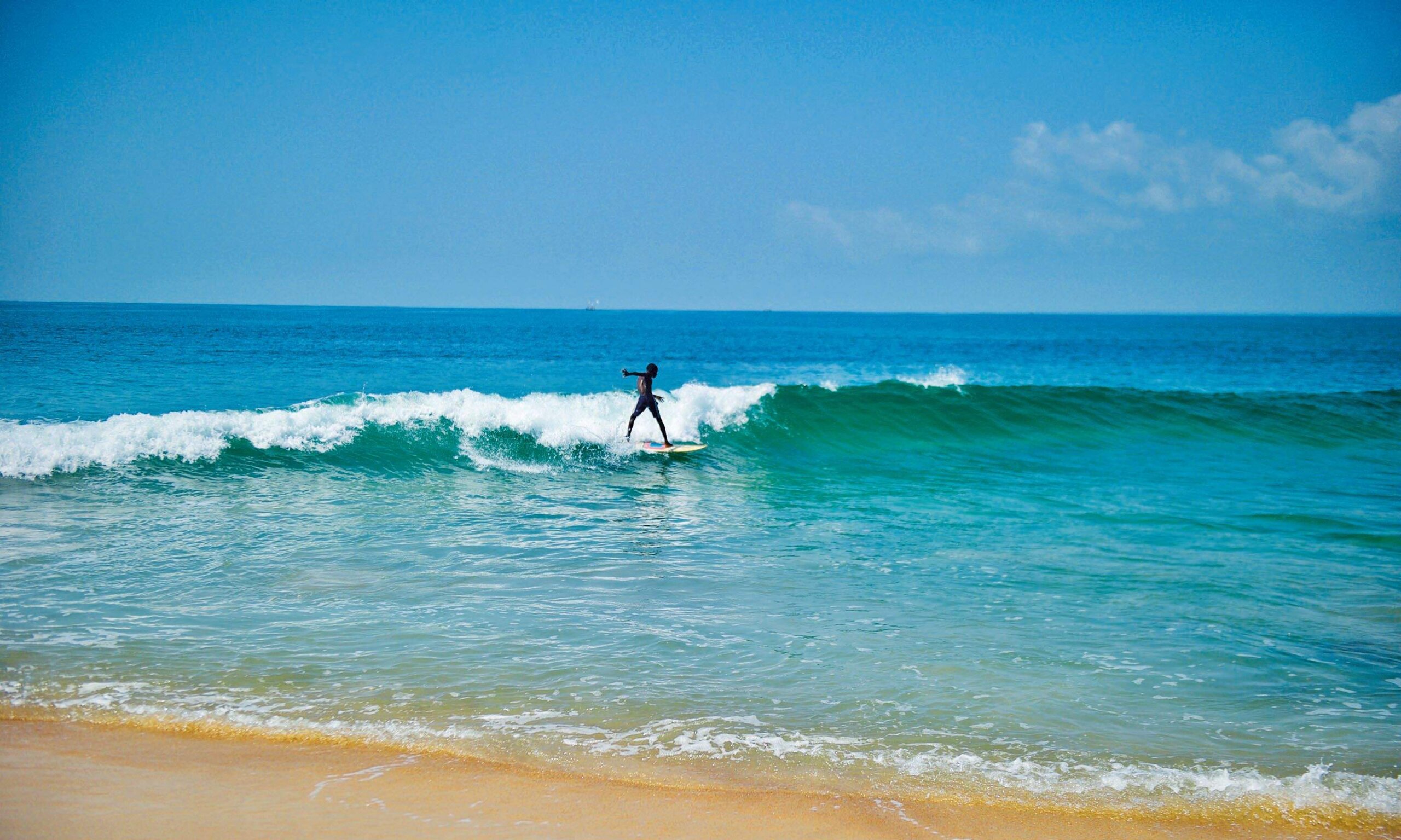
Monrovia sits on the Atlantic coast, and the best outdoor dining takes full advantage of that fact. Beachside grills along Elwa Beach and Kendeja Beach serve fresh-catch fish — red snapper, barracuda, and tilapia — grilled over charcoal and served with fried plantain, pepper sauce, and cold beer. This is casual, unhurried eating at its finest. Arrive around sunset, grab a plastic chair, and let the evening unfold.
The trade-off with beach dining is consistency. Quality varies by vendor, and some spots are better on weekends when turnover is higher and fish is fresher. Stick to places with visible charcoal grills and a steady stream of local customers — both are reliable quality signals. Prices are very reasonable: a whole grilled fish with sides typically runs USD 6–12. Discover restaurants with outdoor seating in Liberia on TrueLiberia for more options beyond the beach.
For broader context on Liberia's coastal food culture, AFAR's Liberia travel guide highlights the country's seafood traditions as a standout draw for food-focused visitors. And if you're planning a longer trip around the food scene, Lonely Planet's Liberia page offers useful logistics for getting around Monrovia's dining neighborhoods.
Plan Your Monrovia Food Journey
Monrovia's food scene rewards the curious and punishes the impatient. The best meals here are rarely found on the first street you walk down — they're in the chop bar your taxi driver recommends, the market stall that's been in the same family for thirty years, or the new restaurant where a trained chef is doing something genuinely exciting with cassava leaf. Give yourself time, ask locals, and eat where you see Liberians eating.
Ready to explore more? Browse the full directory of Liberian restaurants on TrueLiberia to find verified listings with details, reviews, and contact information. You can also use the TrueLiberia Concierge to get personalized recommendations tailored to your neighborhood, budget, and taste preferences — it's the fastest way to eat well in Monrovia from day one.