Understanding Liberian Society: More Than a Nation, a Living Story
Few places on earth carry as layered a social history as Liberia. Liberian society is a mosaic built from at least 16 distinct ethnic groups, a founding class of freed American slaves, colonial-era power structures, two devastating civil wars, and a resilience that outsiders consistently underestimate. If you have ever searched for a simple definition of what Liberian society looks like — its beliefs, its divisions, its daily rhythms — you will not find a clean answer. That is exactly the point. This guide cuts through the surface and explains the real forces that shaped Liberia's social fabric, from the 1820s to today.
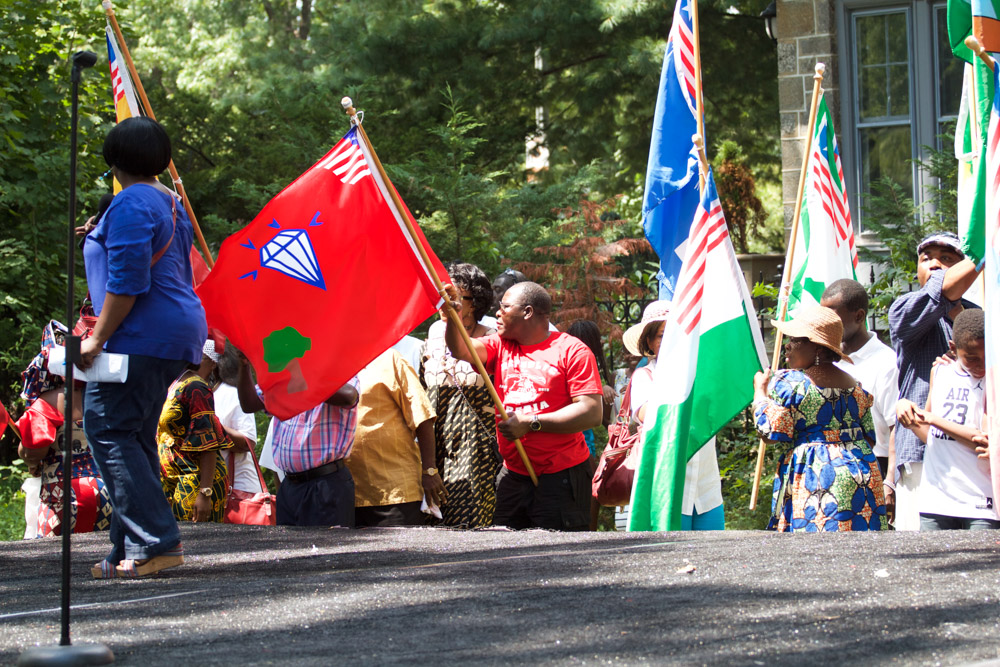
The Founding Divide: Americo-Liberians and the Indigenous Majority
Liberia was founded in 1822 by the American Colonization Society, which resettled free Black Americans and formerly enslaved people on the West African coast. These settlers — known as Americo-Liberians — declared independence in 1847, making Liberia the first African republic. They modeled their government on the United States, built antebellum-style mansions in Monrovia, and formed a ruling class that would dominate Liberian politics for nearly 133 years.
The critical mistake many outside observers make is treating Americo-Liberians as a monolithic group. In reality, they numbered only around 5% of the total population at peak influence. Yet they controlled land, commerce, and political appointments almost exclusively. Indigenous Liberians — the Kpelle, Bassa, Gio, Mano, Krahn, Vai, Grebo, and nine other groups — were legally classified as "wards of the state" until 1904 and denied full citizenship rights until 1944. This was not a subtle inequality; it was a codified caste system.
The social fallout from that founding divide still echoes. Surnames like Tubman, Tolbert, and Sherman signal settler heritage and carry social weight even today. Meanwhile, ethnic identity among indigenous communities remains a primary frame of reference for marriage, political alliance, and trust. Understanding this tension is the single most important key to reading Liberian society correctly.
The 16 Indigenous Communities: Diversity Within the Majority
The indigenous communities of Liberian society are not a single bloc — they are a constellation of peoples with distinct languages, spiritual systems, and governance traditions. The Kpelle, concentrated in Bong and Nimba counties, are the largest group, making up roughly 20% of the population. The Bassa dominate the coastal belt around Buchanan. The Krahn of Grand Gedeh County supplied much of the political and military base for President Samuel Doe after 1980.
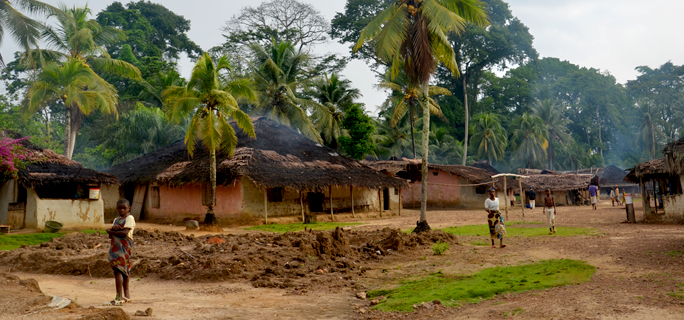
Each group brings its own governance structure. The Poro (male) and Sande (female) secret societies cut across many ethnic lines and have historically served as parallel governance institutions — managing land disputes, initiating youth into adulthood, and enforcing community law. Their influence is not ceremonial. In rural Liberia, a Poro elder's ruling can carry more practical authority than a county court order. Travelers and businesses entering rural communities ignore these structures at their own risk.
Key ethnic groups and their primary regions include:
- Kpelle — Bong County, largest single group (~20% of population)
- Bassa — Margibi and Grand Bassa counties, strong fishing and trading tradition
- Gio (Dan) — Nimba County, known for elaborate mask-making and artisanship
- Mano — Nimba County, historically allied with the Gio
- Krahn — Grand Gedeh County, politically prominent post-1980
- Vai — Grand Cape Mount County, one of few groups with an indigenous script
- Grebo — Maryland County, strong maritime and trade heritage
- Mandingo (Mandinka) — Spread across multiple counties, predominantly Muslim traders
The Vai deserve special mention. They developed one of the world's few independently invented writing systems — the Vai syllabary — in the early 19th century, before sustained Western missionary contact. That fact alone dismantles any narrative that frames indigenous Liberian communities as passive recipients of outside civilization.
Religion, Belief, and Spiritual Life in Liberian Society
Liberia is officially about 85% Christian, according to Pew Research Center data on Sub-Saharan African religion. But that statistic hides more than it reveals. A large share of self-identified Christians simultaneously observe indigenous spiritual practices — ancestor veneration, herbalist medicine, and initiation rites tied to the Poro and Sande societies. Sociologists call this religious syncretism, and in Liberia it is the norm, not the exception.
Islam is practiced primarily by the Mandingo and Vai communities, concentrated in the northwest. Mosques and churches often stand within blocks of each other in Monrovia without friction — interfaith tolerance is a genuine cultural value, not just a political talking point. The real tension in Liberian spiritual life is not between Christianity and Islam; it is between institutional religion and traditional cosmology, a debate that plays out inside families and communities every day.
For visitors, this means: do not assume a church-going Liberian has no relationship with traditional spiritual authority. And do not photograph initiation ceremonies, sacred groves, or Poro/Sande regalia without explicit permission. Violations have caused serious diplomatic incidents at the community level.
How the Civil Wars Reshaped Liberian Social Structure
The 1989–2003 civil war period — technically two separate conflicts — killed an estimated 250,000 people and displaced more than one million, in a country whose total population was around 2.5 million at the time. The social consequences were not just demographic. They were structural.
Several specific shifts stand out:
- Urban migration accelerated sharply. Monrovia's population swelled as rural communities fled violence. Today, Greater Monrovia holds roughly 1.5 million of Liberia's approximately 5.4 million people — a concentration that strains infrastructure and reshapes cultural norms toward a hybrid urban identity.
- The Americo-Liberian dominance ended — but inequality did not. Samuel Doe's 1980 coup broke the settler monopoly on power. The civil war then shattered Doe's Krahn-centered government. What emerged was not equality but a scramble, with new elites forming along different ethnic and warlord lines.
- Youth culture fractured and rebuilt. An entire generation grew up in displacement camps in Guinea, Côte d'Ivoire, and Sierra Leone. They returned with different languages, different reference points, and a distrust of formal institutions. This cohort now forms the backbone of Liberia's informal economy.
- Women's social authority grew visibly. The Women of Liberia Mass Action for Peace movement — which helped end the second civil war in 2003 — elevated women's political credibility in ways that persisted. Ellen Johnson Sirleaf's 2005 election as Africa's first female head of state was partly a product of that shift.
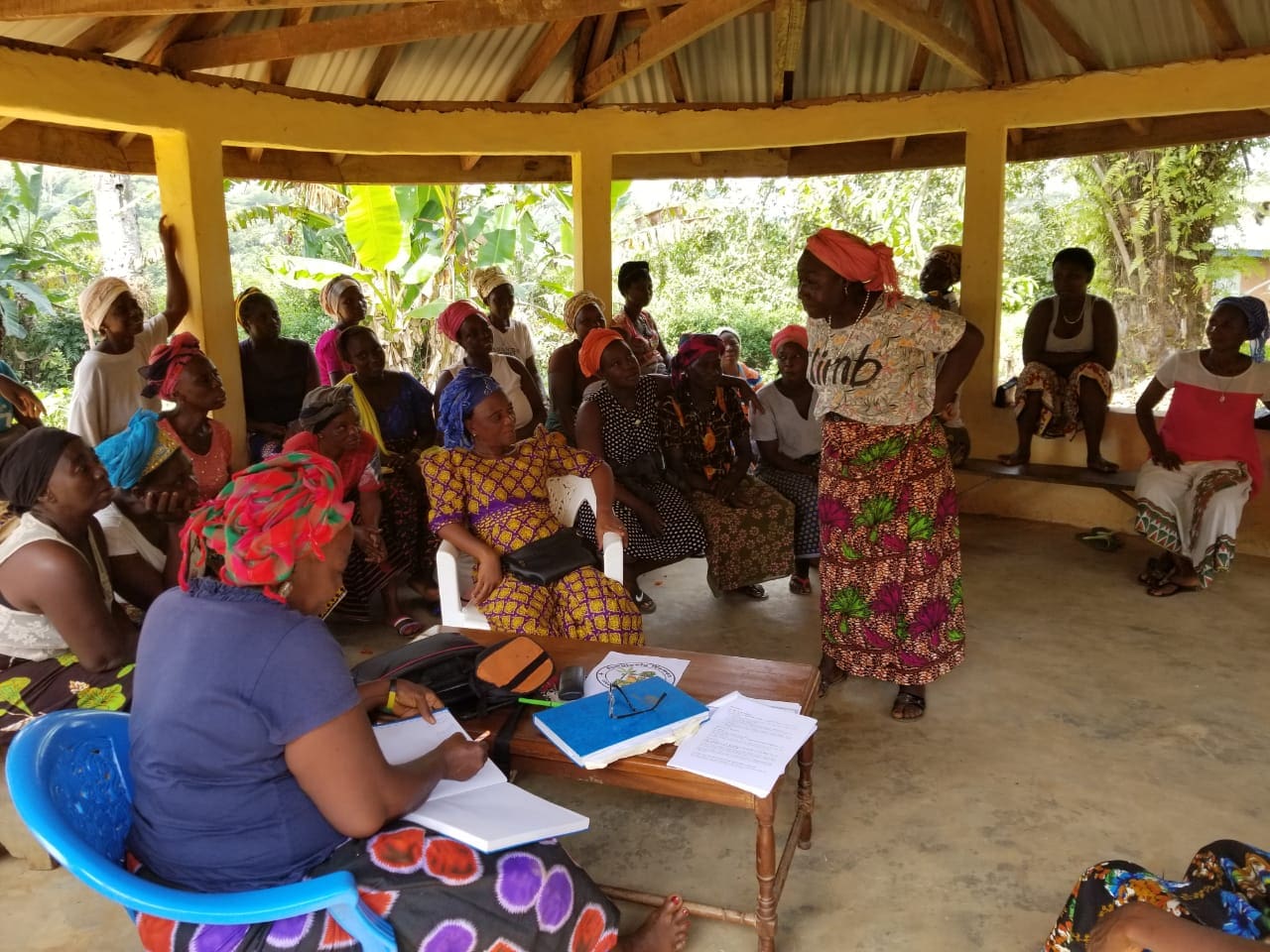
The UN Peacebuilding Commission's Liberia engagement documented many of these transitions. What the reports often miss is the informal reconstruction — the neighborhood dispute-resolution networks, the market women's associations, the church-based savings groups — that rebuilt daily social life faster than any formal institution could.
Class, Education, and Social Mobility in Modern Liberian Society
Modern Liberian society runs on a visible but rarely discussed class structure. At the top sits a small professional elite — government officials, NGO directors, business owners, and diaspora returnees — many of whom were educated in the United States, United Kingdom, or Ghana. Below them is a growing urban middle class of teachers, traders, health workers, and civil servants. The vast majority of Liberians, however, remain in subsistence farming, the informal market economy, or daily-wage labor.
Education is the most cited pathway to mobility, but access is brutally unequal. According to UNICEF Liberia country data, net primary school enrollment sits around 38% — one of the lowest rates in West Africa. Rural girls face compounded barriers: distance to school, early marriage pressure, and the demands of domestic labor. Families in Monrovia who can afford private school fees invest heavily in education as a social signal, not just a practical tool.
The diaspora factor is significant and often underweighted. Liberian communities in Minneapolis, Philadelphia, and London send remittances that prop up household budgets across the country. Diaspora returnees bring capital, credentials, and sometimes friction — their cultural references and expectations often clash with those of Liberians who stayed through the wars. This tension between "been-tos" (those who lived abroad) and stay-at-home Liberians is a live social dynamic, not a resolved one.
Daily Life, Food, and Cultural Identity
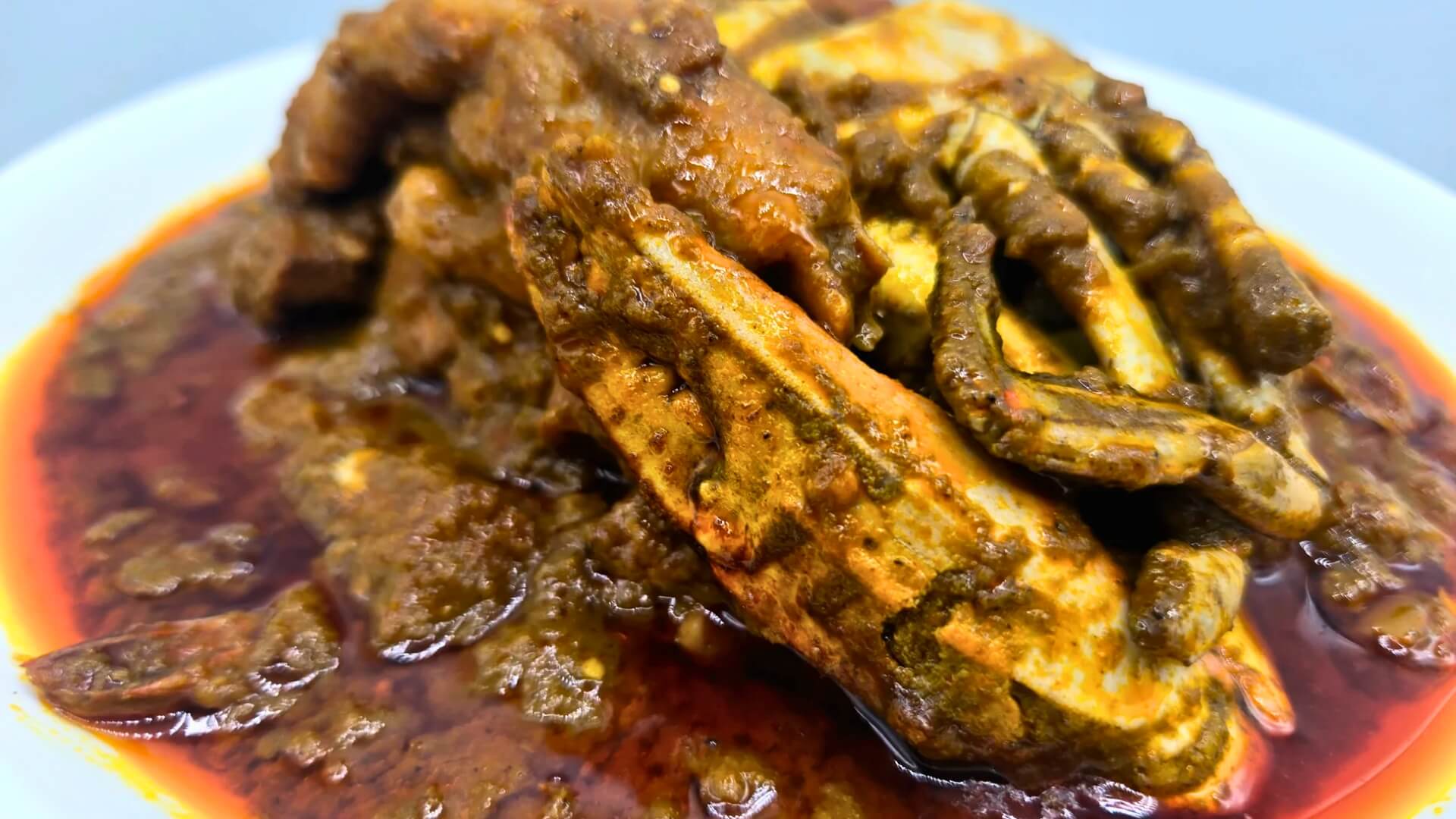
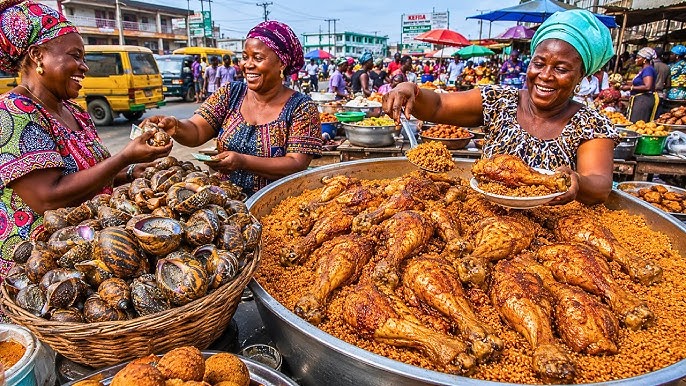
On the ground, Liberian social life is warm, communal, and intensely relational. Showing up to someone's home unannounced is not rude — it is expected. Refusing food offered by a host carries a social cost. Palava sauce (a rich stew of greens, palm oil, and protein), fufu, jollof rice, and pepper soup are not just meals; they are social occasions that mark respect and belonging.
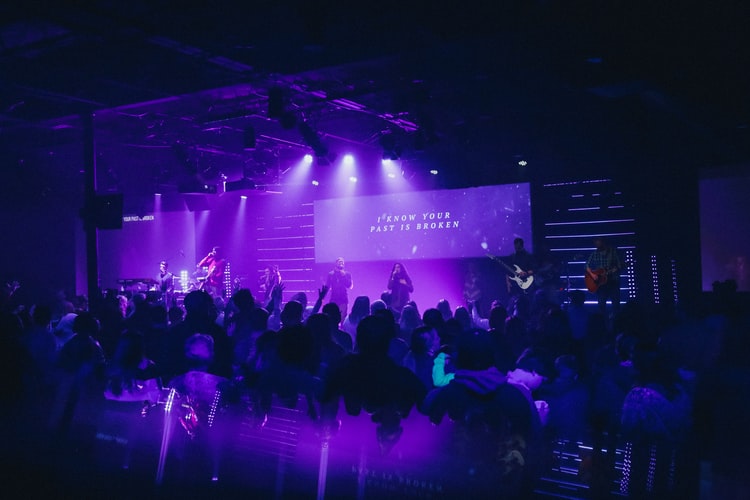
Music and nightlife are vibrant and distinctly Liberian. Hipco — a genre blending hip-hop with Liberian Pidgin English — emerged in the 1990s and became the voice of a war-scarred generation. Artists like Takun J and Shadow used it to critique corruption and document survival. Today, Monrovia's nightlife scene reflects that energy, mixing Afrobeats, Hipco, and gospel in a way that is entirely its own. If you want to experience it firsthand, explore Liberia's best bars and nightclubs on TrueLiberia — the listings cover venues across Monrovia and beyond.
Food culture is equally worth exploring. Liberian restaurants range from roadside cookshops serving daily rice plates to upscale spots in Sinkor and Congo Town. Discover the best Liberian restaurants on TrueLiberia to find places that reflect the full range of the country's culinary identity — from traditional cassava leaf stew to fusion menus shaped by diaspora influence.
Visiting and Engaging With Liberian Society Respectfully
For travelers, researchers, and business visitors, a few concrete principles matter more than any general advice about "being respectful."
- Learn at least five phrases in Liberian English. "How the body?" (How are you?) goes further than any formal greeting. It signals that you see Liberian Pidgin as a real language, not a simplified version of something else.
- Ask before photographing people or ceremonies. This is not unique to Liberia, but the stakes around sacred spaces are higher here than in many tourist destinations.
- Understand that "yes" is often polite, not literal. Liberians are famously hospitable, which means direct refusals are uncommon. Build in confirmation steps for any plans that depend on a firm commitment.
- Engage with local businesses, not just international chains. The market economy in Monrovia is where social life actually happens. Buying from a market woman, eating at a local cookshop, or hiring a local guide puts money directly into the community and gives you a far more accurate picture of daily life.
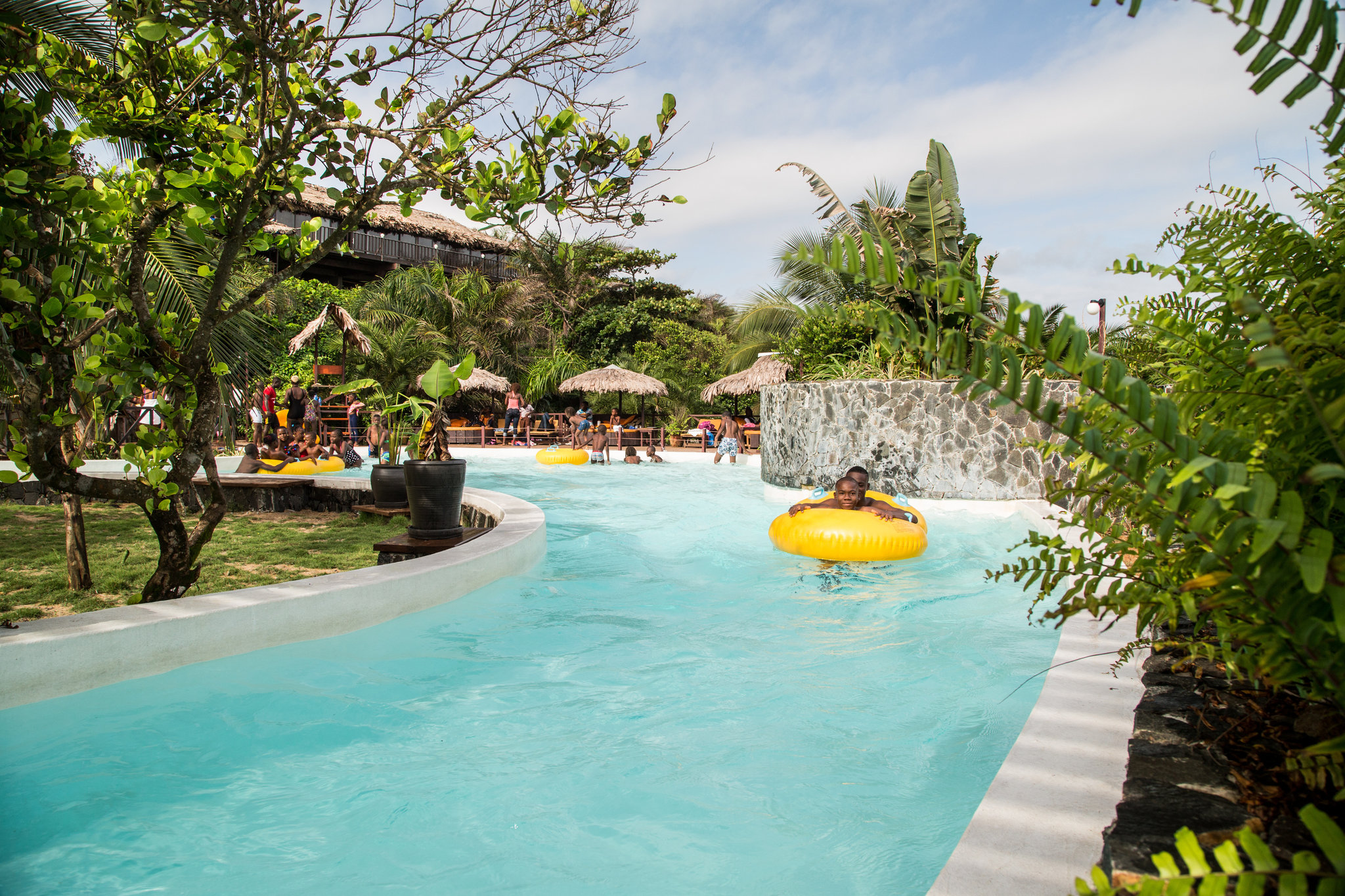
Planning a trip? The TrueLiberia beaches and outdoors directory is a great starting point for experiences that take you beyond Monrovia's urban core. And if you want a curated introduction to the country, the TrueLiberia Concierge service can help you build an itinerary that engages authentically with Liberian communities — not just the tourist surface.
The Social Identity Liberia Is Still Building
Liberian society in 2024 is neither the broken post-war state outsiders imagine nor the seamlessly unified nation its politicians sometimes claim. It is something more interesting: a society actively negotiating its own identity. The Americo-Liberian founding mythology is being reexamined. Indigenous histories are being formally taught in schools for the first time. Young Liberians are building a pan-ethnic national identity through music, sport, and shared digital culture — while still holding their ethnic roots with pride.
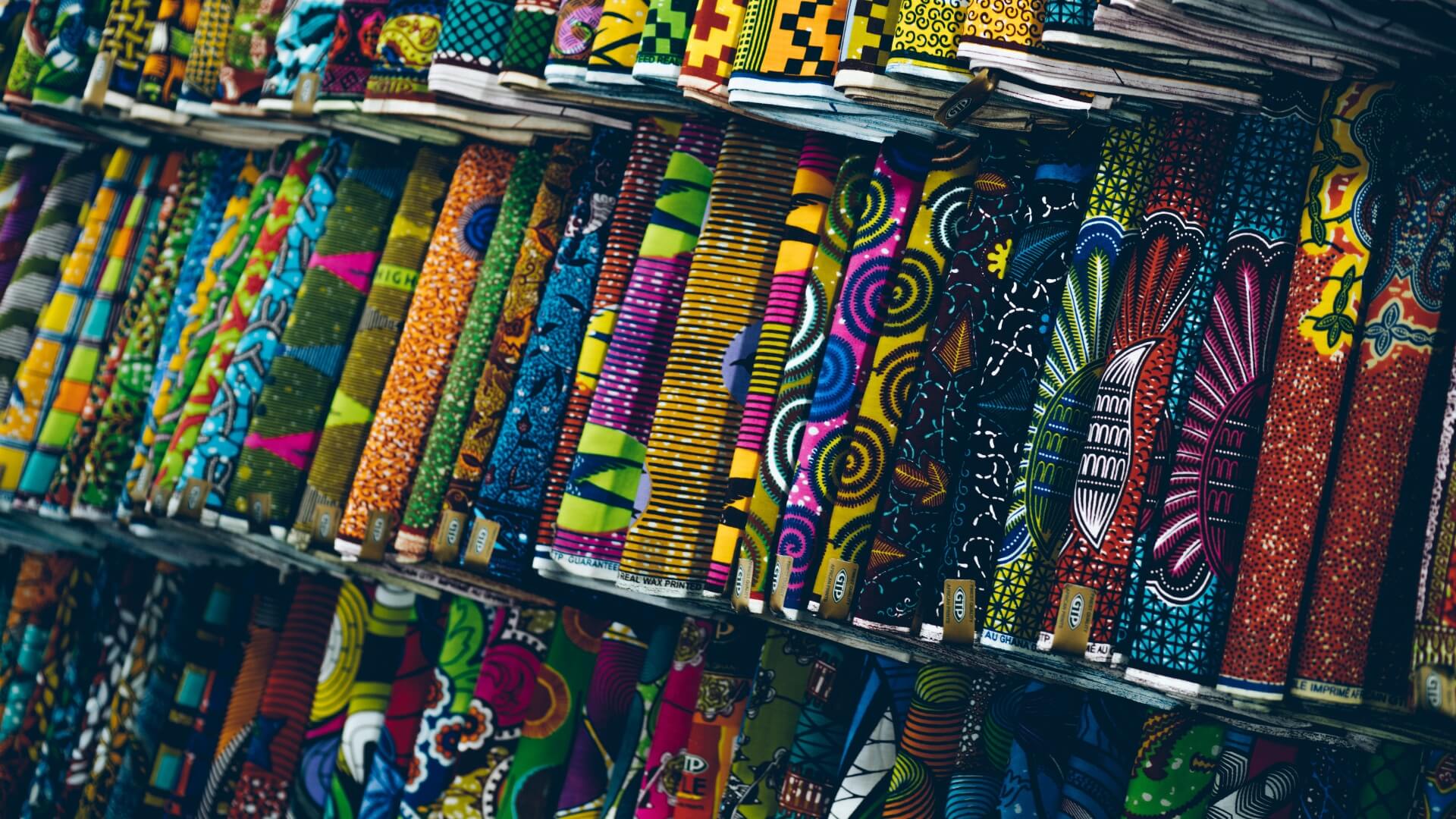
The contradictions are real and productive. A Kpelle woman can be a Supreme Court justice and a Sande society member. A Mandingo trader can quote scripture and close a deal in three languages before noon. A Monrovian teenager can stream Afrobeats, wear traditional lappa fabric, and argue politics in Liberian English — all before dinner. That is Liberian society: layered, dynamic, and impossible to reduce to a single frame.
If this guide sparked your curiosity, there is no substitute for experiencing Liberia directly. Discover everything the country has to offer — from its history to its hospitality — by exploring the full range of listings, events, and experiences at TrueLiberia.