Liberian Culture Food, Music, and Dance: More Than Tradition — It's a Living Identity
Ask any Liberian what home smells like, and they will describe a pot of pepper soup bubbling on a coal pot, or the smoky sweetness of jollof rice cooked slow over open fire. Liberian culture food is not just sustenance — it is a direct line to ancestry, community, and pride. Pair that with the hypnotic pulse of country music and the full-body storytelling of traditional dance, and you have a cultural ecosystem that has survived civil war, displacement, and globalization. This article argues a specific point: Liberian cultural expression is not frozen in the past. It is actively evolving, and the kitchen, the concert stage, and the TikTok feed are all part of the same story.
The Foundations of Liberian Culture Food: What Every Dish Is Really Saying
Liberian cuisine sits at the crossroads of West African tradition and a uniquely Liberian history shaped by freed American slaves, indigenous ethnic groups, and coastal trade. The result is a food culture that is layered, bold, and deeply communal. You do not eat alone in Liberia — the table is always shared.
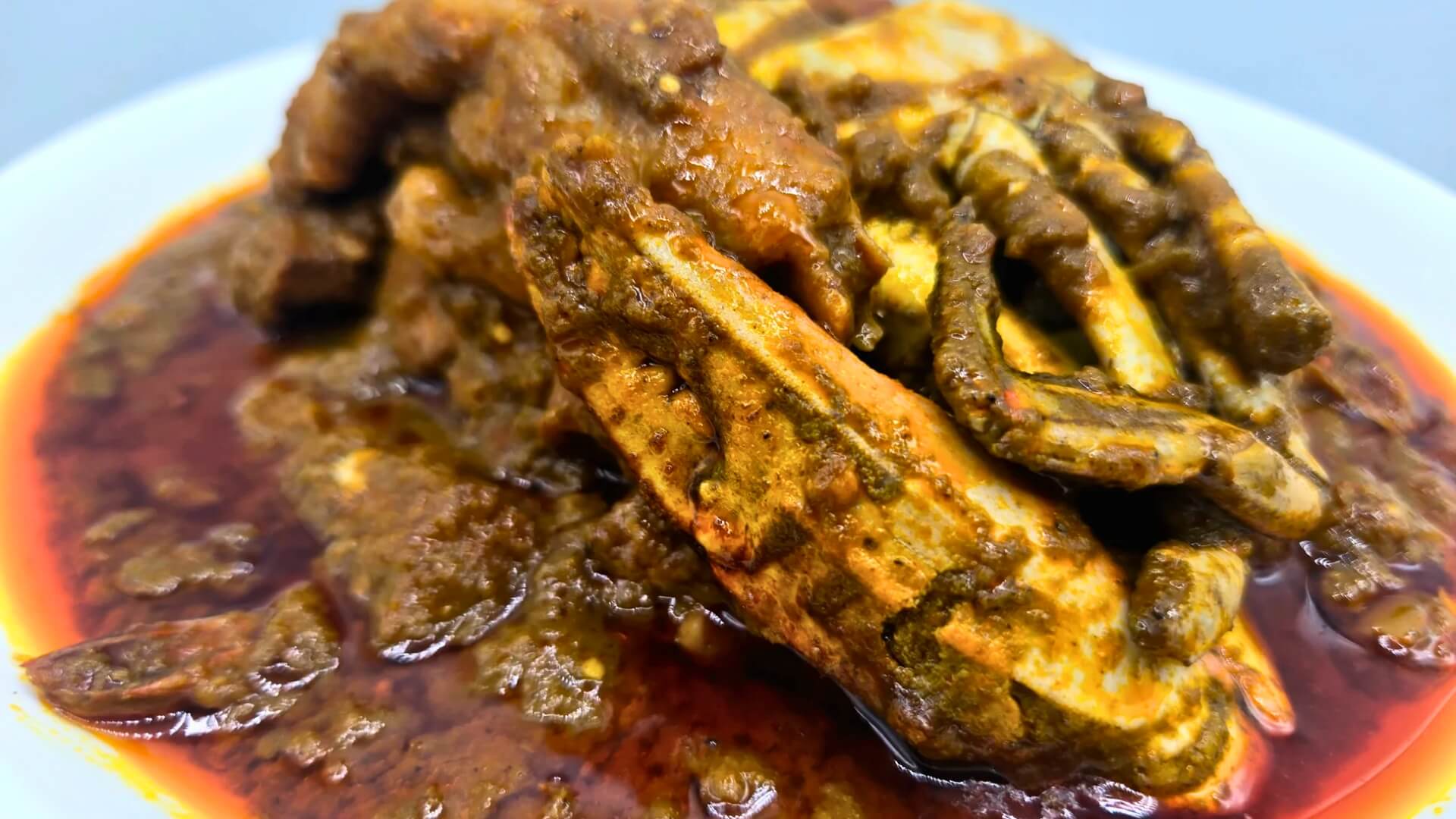
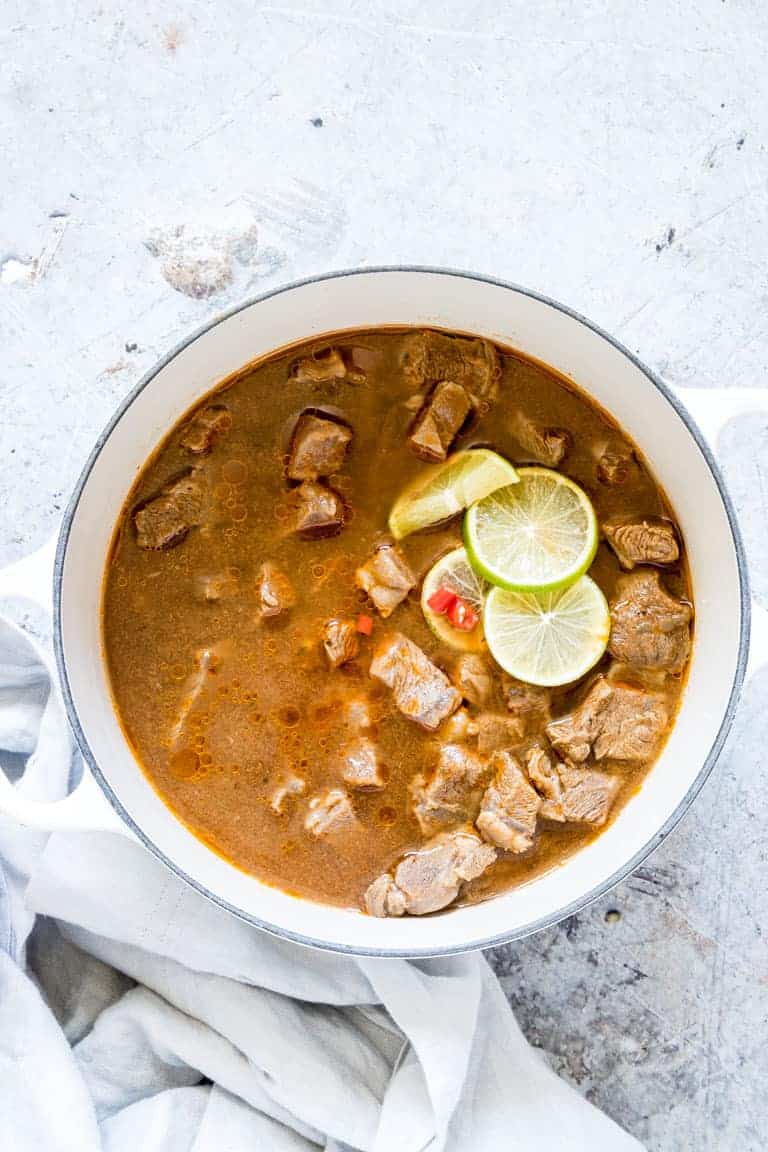
The most iconic dishes carry specific cultural weight. Fufu (pounded cassava or plantain) paired with palm butter soup is the daily anchor of family life across the country's 16 ethnic groups. Dumboy, a pounded cassava dish common among the Kpelle and Bassa peoples, is served at funerals, weddings, and naming ceremonies — it marks life's biggest moments. Jollof rice with chicken is the festive standard, present at every celebration from Monrovia to Nimba County. Meanwhile, potato greens — sautéed sweet potato leaves cooked with meat and palm oil — is arguably the most beloved everyday dish in the country.
One mistake outsiders make is treating Liberian food as a subset of generic "West African cuisine." That flattens real distinctions. The Vai people of the coast have a seafood-heavy palate shaped by Atlantic fishing traditions. The Mandingo communities bring influences from the broader Mande culinary belt, including rice-based dishes and strong spice profiles. Each ethnic group's food is a dialect — related, but distinct.
- Palm butter soup: A rich, red broth made from boiled palm fruit pulp, served with fufu or rice. It is the Liberian equivalent of Sunday roast — a weekly ritual in many households.
- Pepper soup: A light but fiery broth with goat meat or fish, heavy on scotch bonnet peppers and herbs. It is Liberia's answer to a cold, a hangover, and a celebration — all at once.
- Cassava leaf stew: Finely pounded cassava leaves slow-cooked with smoked fish, palm oil, and spices. It takes hours to make and tastes like it.
- Kanya: A sweet peanut candy sold by street vendors. Small, cheap, and deeply nostalgic for every Liberian who grew up eating it after school.
- Liberian bread: A dense, slightly sweet bread baked in round loaves, eaten with butter or peanut butter. It is a colonial-era holdover that became entirely Liberian.
The common thread across all these dishes is labor. Liberian cooking is not fast food. It demands time, skill, and presence. That investment is itself a cultural statement — food is worth the effort because the people you feed are worth the effort.
Want to experience authentic Liberian food firsthand? Discover the best Liberian restaurants on TrueLiberia and find spots that serve these traditional dishes in Monrovia and beyond.
The Sound of Liberia: From Tribal Rhythms to Afrobeats and Country Music
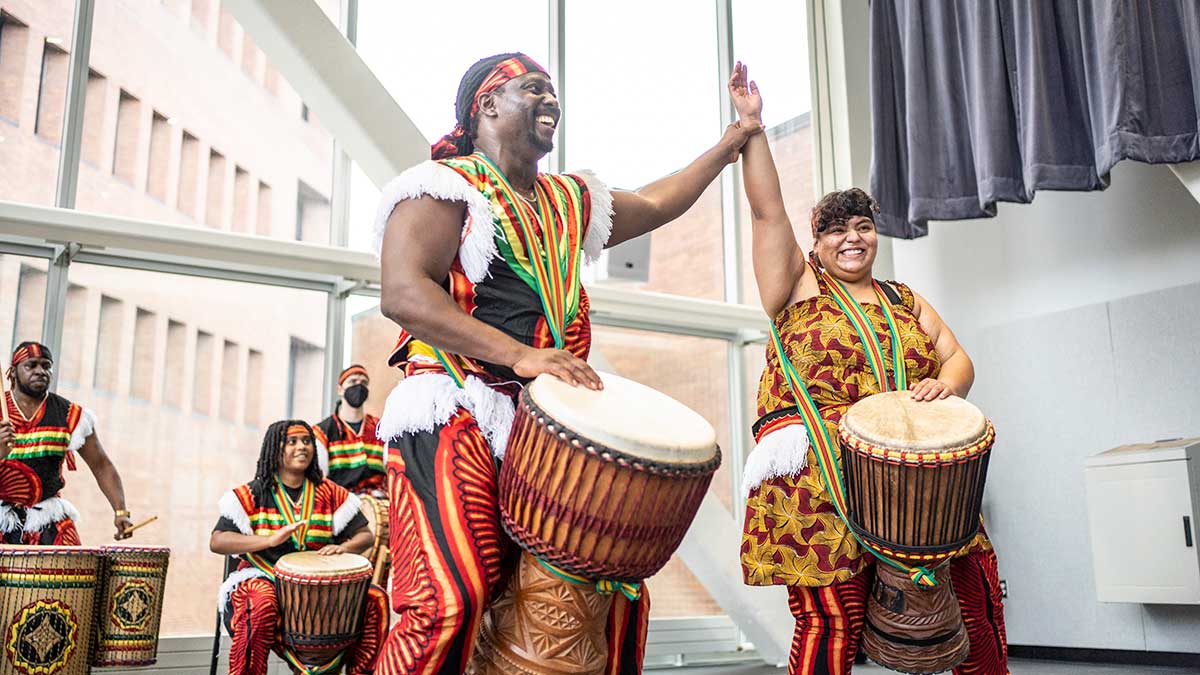
Liberian music is not one thing. It is a conversation between generations, ethnic groups, and continents. Understanding it requires separating at least three distinct but overlapping traditions: indigenous music, Liberian country music, and the modern Afrobeats-influenced pop scene that has exploded since the 2010s.
Indigenous music is rooted in the ceremonial life of Liberia's ethnic communities. The Poro and Sande societies — the male and female initiation institutions found across much of the country — have their own musical traditions that are not performed for outsiders. What is shared publicly includes the talking drum (used for communication across long distances), the kora-influenced string instruments of the Mandingo, and the slit drum rhythms of the Kpelle and Loma peoples. These are not museum pieces. They are still used in ceremonies today.
Liberian country music — not to be confused with American country — is a genre born in the 1960s and 70s that blends indigenous rhythms with highlife guitar, Afro-Cuban percussion, and English lyrics. Artists like Miatta Fahnbulleh, often called the "Aretha Franklin of Africa," and Fatu Gayflor defined this era. Their music was political, emotional, and deeply rooted in Liberian identity at a time when the country was navigating post-independence nation-building.
The civil war years (1989–2003) silenced much of the formal music industry. But they also produced a generation of Liberians in the diaspora — in the United States, the United Kingdom, and Ghana — who carried their musical identity with them and began fusing it with hip-hop, R&B, and eventually Afrobeats. Artists like Shadow and Takun J brought socially conscious rap to Liberian audiences in the 2000s and 2010s. More recently, artists like Kizzy Gongloe and a wave of younger Monrovia-based producers are building a sound that is recognizably Liberian but globally fluent.
According to BBC Culture's coverage of African music's global rise, West African artists are increasingly setting the global agenda — and Liberia is part of that momentum, even if it has not yet received the same spotlight as Nigeria or Ghana.
The Diaspora Remix: How Liberians Abroad Are Remaking the Sound
The Liberian diaspora — estimated at over 400,000 people in the United States alone, concentrated in cities like Minneapolis, Providence, and Staten Island — has become a crucial engine of cultural production. Diaspora artists face a specific creative tension: they want to honor what they grew up with, but they are also shaped by the cities they live in. The result is often the most innovative Liberian music being made today.
TikTok has accelerated this process dramatically. Liberian food content, dance challenges, and music clips regularly rack up hundreds of thousands of views from users who have never set foot in Monrovia. A home cook in Minnesota filming herself making cassava leaf stew becomes an ambassador. A teenager in London doing the azonto-influenced Liberian dance moves her grandmother taught her becomes a cultural bridge. This is not accidental — it is how living cultures survive and grow.
Dance as Language: The Body Speaks What Words Cannot
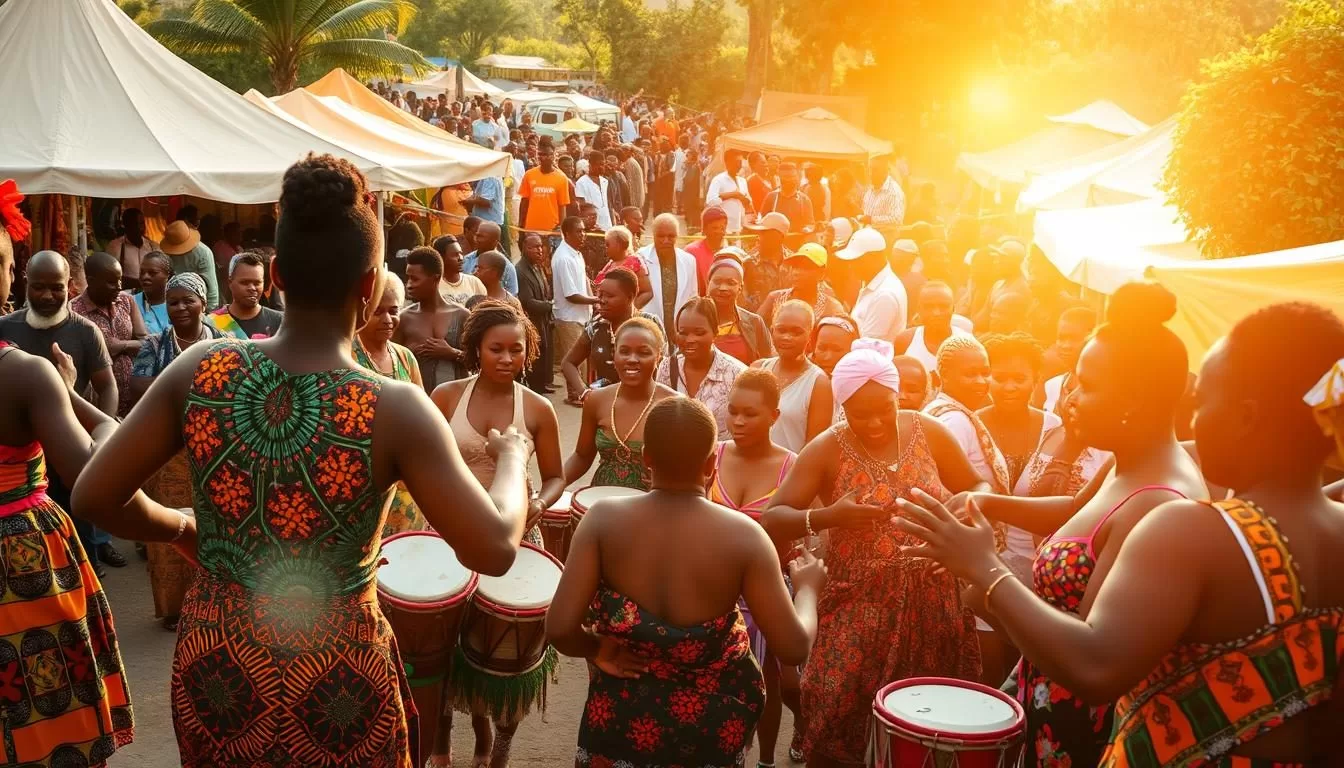
Liberian dance is not performance in the Western sense. It is communication. Every ethnic group has dances tied to specific social functions — harvest celebrations, initiations, funerals, weddings, and war commemorations. The Vai have the gola masquerade dances. The Kpelle have elaborate ceremonial dances connected to the Poro society. The Grebo coastal communities have dances that mimic the movement of the sea.
What makes Liberian dance distinctive within the broader West African tradition is its emphasis on full-body polyrhythm — different parts of the body moving to different rhythmic layers simultaneously. Hips, shoulders, feet, and hands each carry their own beat. Watching a skilled dancer is like watching a one-person orchestra. This is not something you learn in a weekend workshop. It takes years of community immersion.
The National Cultural Troupe of Liberia, based in Monrovia, has been one of the main institutional keepers of this tradition, performing at state events and international festivals. But institutional preservation alone is never enough. The real transmission happens at family gatherings, church events, and neighborhood celebrations — places where children learn by watching and then doing.
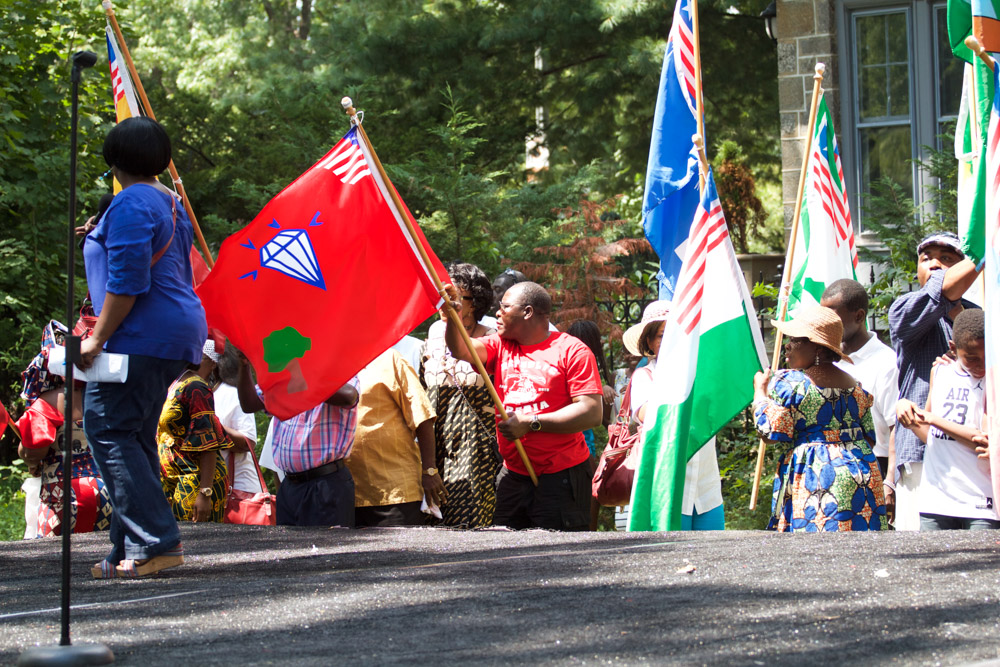
Globally, Liberian dance is gaining visibility through diaspora cultural festivals. Events like the Liberian Community Association festivals in the United States draw thousands of attendees and feature dance competitions, traditional music performances, and — always — enormous amounts of food. These festivals are not nostalgia exercises. They are active negotiations between what was and what is.
TikTok, YouTube, and the New Frontiers of Liberian Cultural Expression
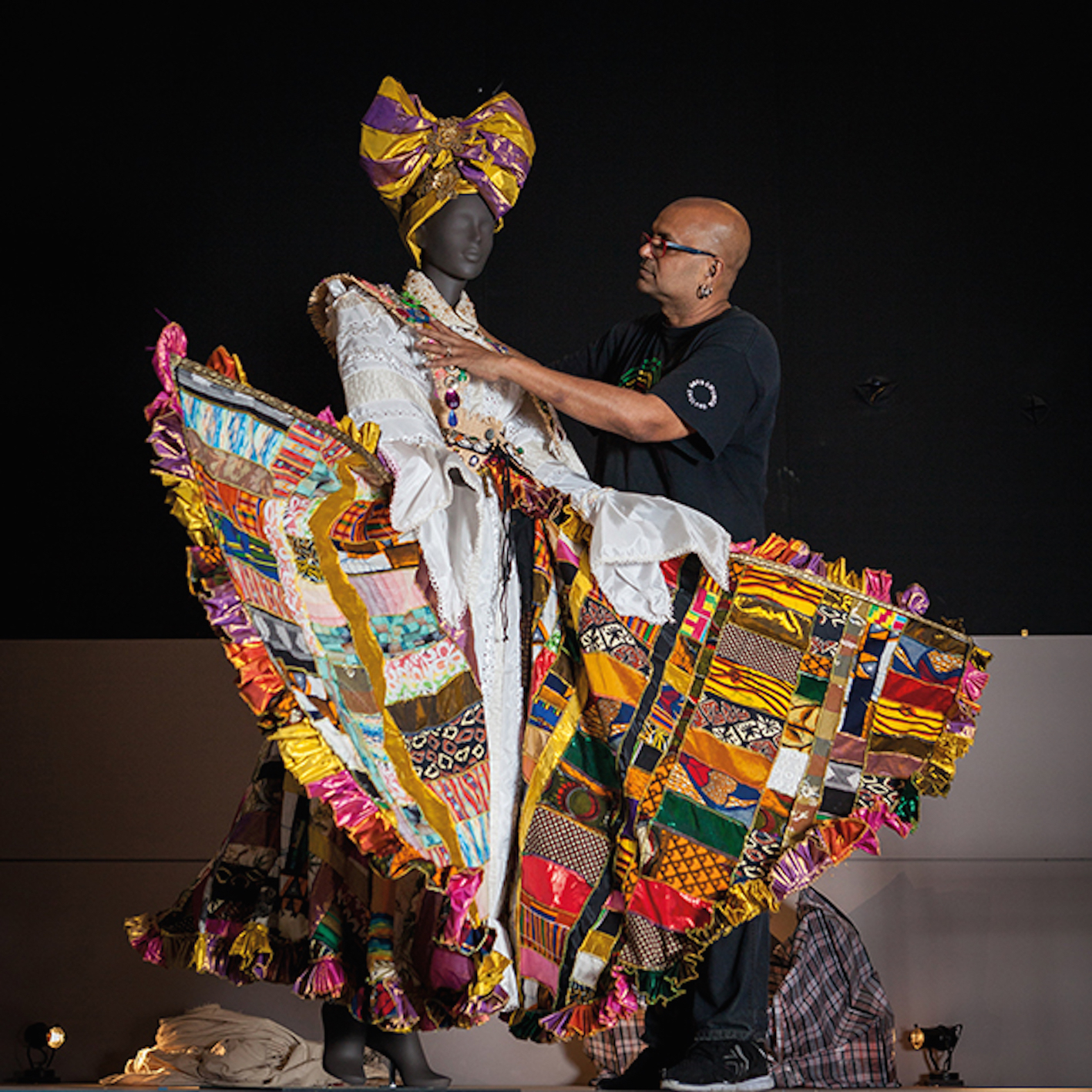
The most important shift in Liberian cultural expression over the past five years has not happened on a stage or in a restaurant. It has happened on a phone screen. Social media — particularly TikTok and YouTube — has given individual Liberians the ability to share their culture directly with a global audience, bypassing traditional gatekeepers entirely.
Consider the numbers: searches for "Liberian food recipe" on YouTube have grown steadily since 2019, with channels run by Liberian home cooks in the diaspora accumulating millions of combined views. According to Statista, TikTok's African user base has grown by over 60% since 2021, and Liberian creators are part of that surge. The platform's short-form format is surprisingly well-suited to cultural content — a 60-second video of someone making dumboy or performing a traditional dance can communicate more about Liberian identity than a thousand-word article.
This democratization has trade-offs worth naming. When culture goes viral, it also gets simplified. A dish reduced to a 60-second clip loses the context of why it is made, who makes it, and what occasion it marks. A dance challenge stripped of its ceremonial meaning becomes entertainment rather than communication. Liberian cultural advocates are actively wrestling with this — how do you share your culture broadly without flattening it?
The most thoughtful creators solve this by layering context into their content. They name the ethnic group a dish comes from. They explain the occasion a dance belongs to. They speak the language, even if they add subtitles. This approach builds genuine cultural literacy in their audiences rather than just generating views.
Where to Experience Liberian Culture Food, Music, and Dance Today
If you are planning a visit to Liberia, the cultural experience is not confined to museums or formal events. It is everywhere — in the street food stalls of Waterside Market in Monrovia, in the live music venues along Tubman Boulevard, in the beach bars of Robertsport where local musicians play on weekends.
For food, the best strategy is to eat where locals eat. The most authentic Liberian cooking rarely happens in formal restaurants — it happens in small chop bars, at roadside stalls, and in private homes. That said, Monrovia has a growing number of restaurants that take traditional dishes seriously and present them with care. Browse TrueLiberia's curated restaurant listings to find verified spots serving real Liberian food.
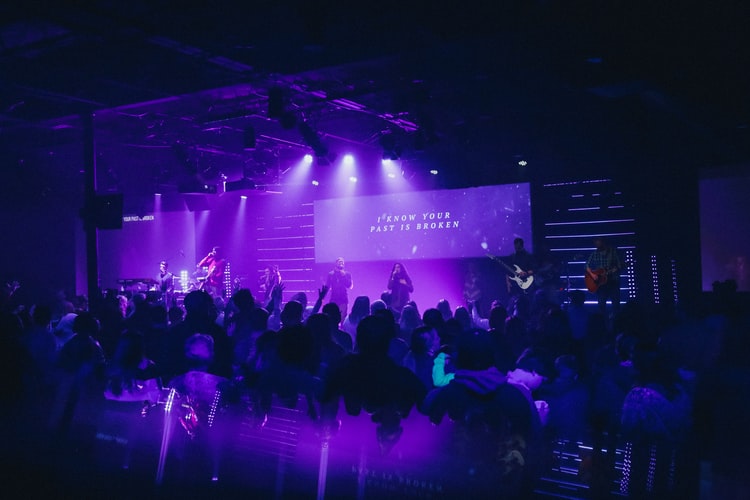
For nightlife and live music, Monrovia's scene is more active than most outsiders expect. The city has a cluster of venues that host live performances, DJ sets blending Liberian country music with Afrobeats, and cultural nights that combine food, music, and dance into a single experience. Explore Liberia's top nightclubs and bars on TrueLiberia to find where the music is happening tonight.
For outdoor cultural experiences — beach festivals, community events, and open-air performances — Liberia's coastline and interior both offer remarkable settings. Check the TrueLiberia events calendar for upcoming cultural festivals and performances across the country.
Practical Tips for Cultural Visitors
- Ask before you photograph traditional ceremonies or dancers. Permission is not just courtesy — it is respect for the sacred nature of some performances.
- Eat with your hands when fufu or dumboy is served. Using a fork signals unfamiliarity and distances you from the experience. Locals will appreciate the effort.
- Learn two or three Liberian English phrases. "How de body?" (How are you?) goes a long way. Liberians are warm to visitors who make the effort.
- Visit during a cultural festival if possible. The National Culture Week, typically held in August, brings together performances from all 16 ethnic groups in one place.
- Be patient with timing. Cultural events in Liberia run on their own clock. Arriving "on time" by Western standards often means arriving before anyone else does.
Why the World Is Finally Paying Attention to Liberian Culture Food and Arts
Global interest in West African culture has surged over the past decade, driven by the international success of Afrobeats, the growing influence of African fashion, and a broader reassessment of African cultural contributions to global art and music. Liberia has historically been overshadowed in this conversation by Nigeria and Ghana, which have larger populations and more established media industries.
That is changing. The Liberian diaspora's growing cultural confidence, combined with social media's ability to bypass traditional media gatekeepers, means Liberian food, music, and dance are reaching global audiences on their own terms. A Liberian chef in Atlanta posting cassava leaf stew content does not need a Food Network deal to build an audience. A Liberian musician in London does not need a major label to release music that reaches listeners in Tokyo and São Paulo.
According to The Guardian's Africa coverage, African cultural exports are increasingly being recognized not just as entertainment but as serious contributions to global creative industries. Liberia's moment in that larger story is arriving.
The argument this article has made from the start holds: Liberian culture is not a relic to be preserved behind glass. It is a living system that feeds, moves, and sounds different depending on where and when you encounter it — but it is always, unmistakably, Liberian. The kitchen, the concert, and the dance floor are all the same room.
Ready to discover everything Liberia has to offer? Start exploring at TrueLiberia — your complete guide to Liberian restaurants, events, nightlife, and cultural experiences.