The Question Everyone Asks — and the Answer Is More Complex Than You Think
Ask anyone searching for the biggest company in Liberia and they expect a single, clean answer. The reality is richer and more instructive. Liberia's economy runs on a handful of dominant sectors — rubber, iron ore, shipping, banking, and telecoms — and the companies that lead those sectors shape daily life for millions of Liberians. Understanding who they are, what they do, and how they interconnect gives you a real map of doing business in Liberia today.
This is not a dry corporate list. Each entry below tells you something actionable: what industry the company dominates, why it matters to the broader economy, and what it signals for investors, entrepreneurs, and visitors trying to understand Liberia's commercial landscape.

Firestone Natural Rubber — The Titan That Built Modern Liberia
By almost every measure, Firestone Natural Rubber Company holds a credible claim to being the single biggest private employer and most historically significant company in Liberia. Operating under Bridgestone since 1988, the Firestone plantation in Harbel covers roughly 190 square miles — one of the largest rubber plantations on earth. At its peak, it employed over 8,000 workers directly and supported tens of thousands more through dependent households and supply chains.
The plantation produces natural rubber exported primarily to Asia and North America. Rubber remains one of Liberia's top three export earners, and Firestone's output is the single largest piece of that pie. That makes its operational decisions — wage rates, expansion plans, sustainability practices — effectively macroeconomic events for the country.
The trade-off is real, though. Firestone has faced persistent criticism from labor rights groups over wages and living conditions on the plantation. The Business & Human Rights Resource Centre has documented multiple complaints over the years. Any serious analysis of Liberia's biggest company has to hold both facts at once: enormous economic contribution and documented labor concerns.
ArcelorMittal Liberia — Iron Ore and Infrastructure Investment
ArcelorMittal Liberia is the country's largest foreign direct investment project in recent decades. The company operates an iron ore mining concession in Nimba County and rebuilt — largely from scratch — a 243-kilometer railway connecting the mines to the port at Buchanan. That railway is not just a corporate asset; it is critical national infrastructure.
Iron ore is Liberia's top export by value. In years when global steel demand is strong, ArcelorMittal's royalties, taxes, and employment contributions represent a significant share of government revenue. The company's second phase of development, which expanded production capacity, brought additional thousands of jobs and supplier contracts.
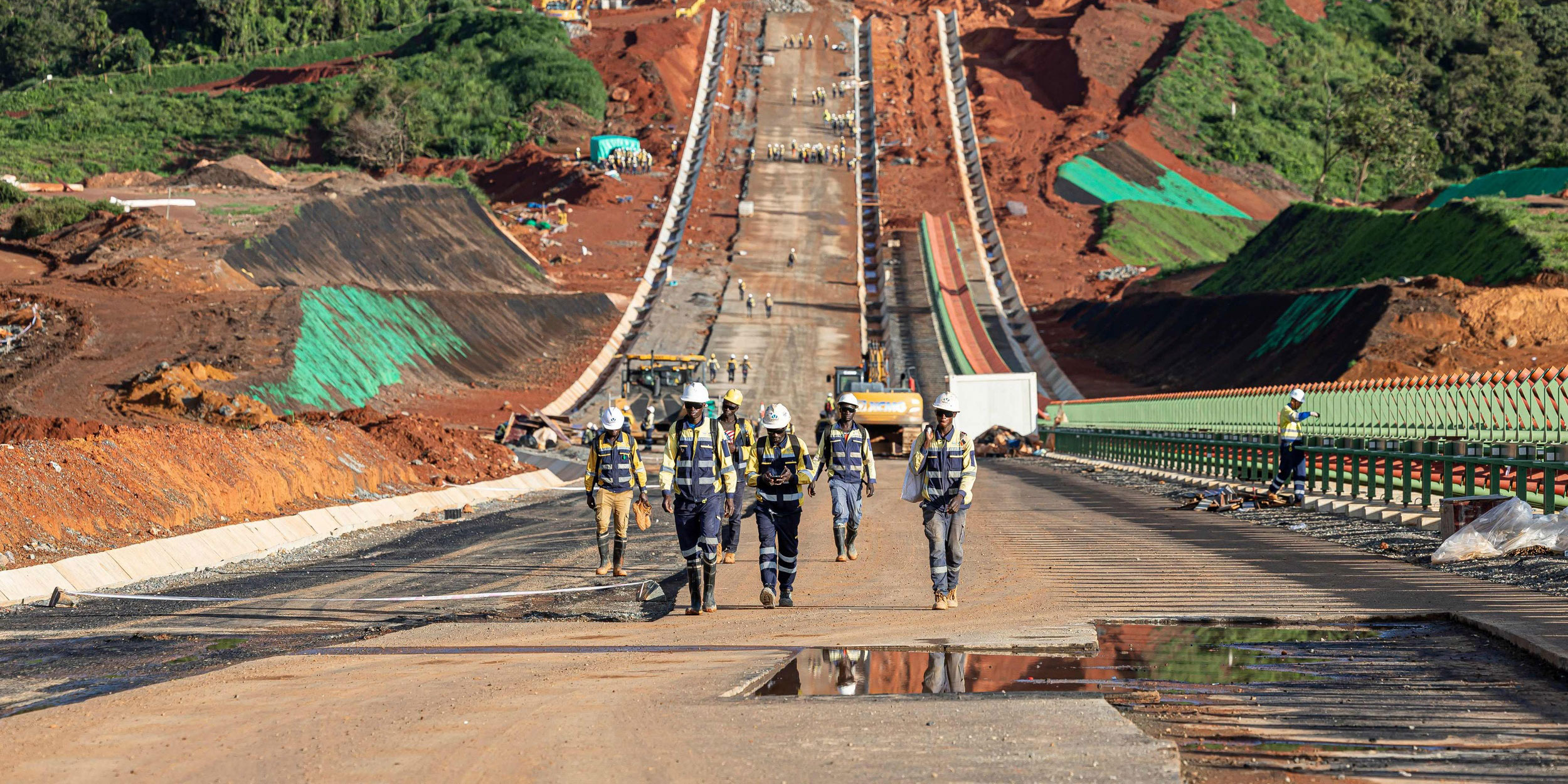
Here is the honest trade-off for anyone thinking about Liberia's resource economy: commodity dependence is a double-edged sword. When iron ore prices fell sharply between 2014 and 2016, ArcelorMittal scaled back operations significantly, and the fiscal impact on Liberia was immediate and painful. Diversification away from single-commodity dependence is not just an economist's talking point — it is a survival strategy. The IMF's Liberia country page tracks this vulnerability in detail.
Lonestar Cell MTN — The Telecom That Connects the Nation
If Firestone and ArcelorMittal dominate by land mass and export value, Lonestar Cell MTN dominates by daily relevance. As part of the MTN Group — one of Africa's largest telecom conglomerates — Lonestar Cell is Liberia's leading mobile network operator by subscriber count. Mobile penetration in Liberia has grown rapidly, and Lonestar has been the primary driver.
Mobile money is where the real story lives. Lonestar's MoMo (Mobile Money) platform has become a de facto banking system for millions of Liberians who lack access to traditional bank accounts. Merchants in Monrovia, farmers in Lofa County, and diaspora families sending remittances all rely on it. That is not a minor feature — it is financial infrastructure.
For businesses and entrepreneurs operating in Liberia, understanding Lonestar's network coverage map is practically a business planning tool. Areas with strong signal support mobile commerce; gaps in coverage are gaps in market access. Competitor Orange Liberia (formerly Cellcom) runs a close second, and the two together serve the overwhelming majority of Liberia's mobile subscribers.
The Banking Sector: Ecobank, LBDI, and the Fight for Financial Depth
No economy functions without credit, and Liberia's banking sector is small but strategically vital. Ecobank Liberia, part of the pan-African Ecobank Transnational group, is consistently among the largest banks by assets and branch network. Liberia Bank for Development and Investment (LBDI) is the oldest domestically incorporated commercial bank and holds a symbolic and practical importance in the local financial system.
The common mistake outsiders make is assuming Liberia's banking sector works like a mature market. It does not. Credit to the private sector as a percentage of GDP remains very low by regional standards. Interest rates on business loans can exceed 20% annually. Collateral requirements are strict. These are not complaints — they are facts that shape every business decision made in the country.
- Ecobank Liberia — Largest branch network, strong trade finance and diaspora services
- LBDI — Oldest domestic bank, government-linked, retail and SME focus
- GT Bank Liberia — Nigerian-owned, strong corporate banking presence
- United Bank for Africa (UBA) Liberia — Pan-African network, growing retail footprint
- International Bank (IB) Liberia — Lebanese-owned, historically strong in trade finance
For anyone doing business in Liberia, the choice of banking partner matters more than in a mature market. Each bank has different strengths in foreign exchange, letters of credit, and SME lending. Getting this wrong at the start of a venture is an expensive mistake to unwind.
Liberia's Shipping Registry — A Global Business Hidden in Plain Sight
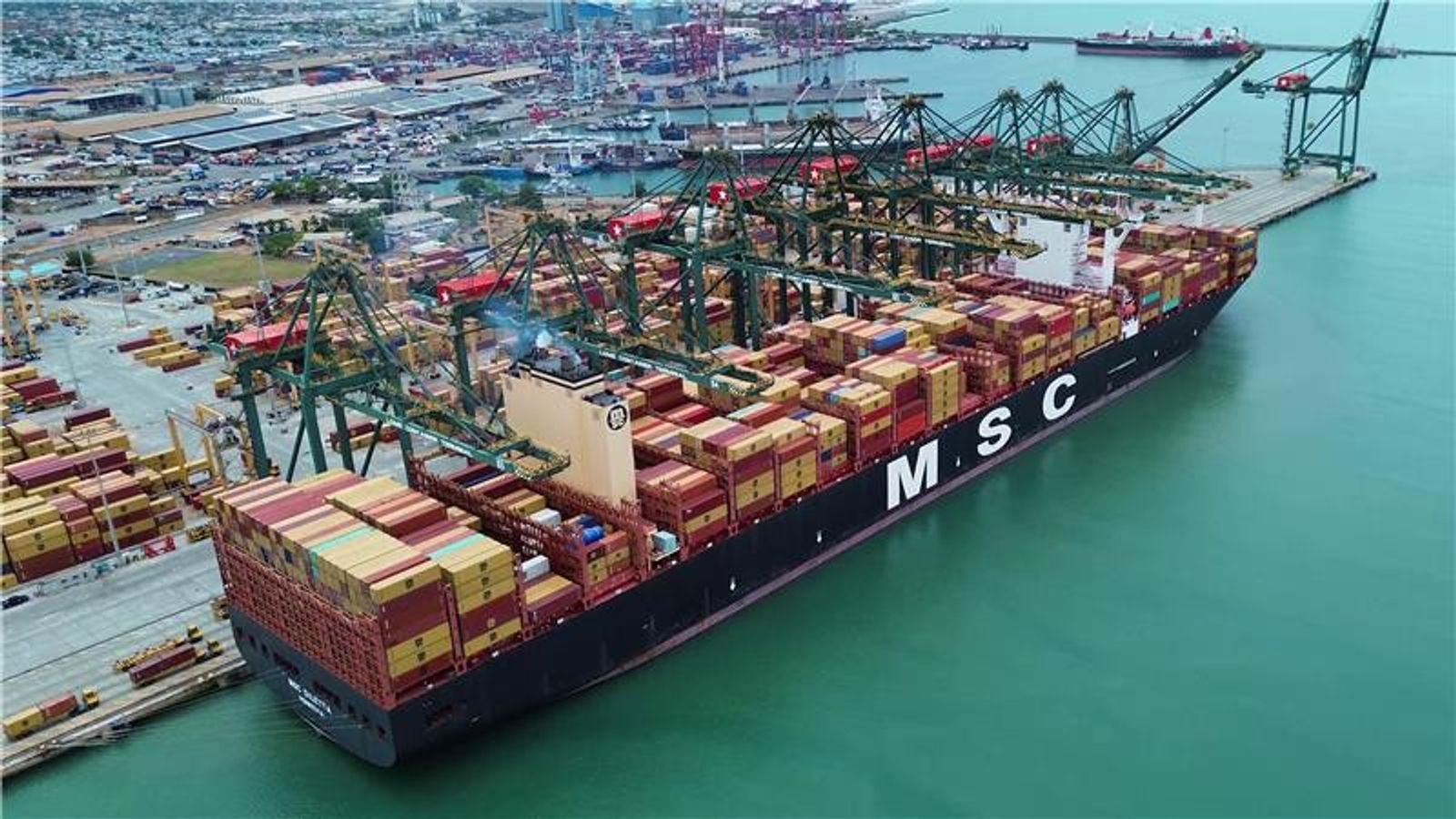
Here is the entry that surprises most people: the Liberian Ship Registry, administered by the Liberian International Ship & Corporate Registry (LISCR), is one of the two largest ship registries in the world by deadweight tonnage. It consistently competes with Panama for the top spot globally.
This is not a Liberian company in the traditional sense — LISCR is managed by a US-based firm under a long-term agreement with the Liberian government. But the revenue it generates flows directly to Monrovia. Hundreds of millions of dollars in annual fees make the ship registry one of Liberia's most reliable non-commodity revenue sources. The LISCR website publishes fleet data and registry statistics for those who want the numbers.
The practical implication: Liberia punches well above its weight in global maritime commerce. That reputation creates real opportunities in port services, maritime law, and logistics — sectors that remain underdeveloped domestically relative to the country's maritime profile.
Retail, Food, and the Rise of Liberian Consumer Businesses
Beyond the extractive giants and telecoms, a vibrant layer of Liberian-owned and regionally-owned businesses serves the consumer economy. Waterside Market in Monrovia is the country's largest open-air commercial hub. Lebanese-Liberian trading families dominate wholesale import and retail distribution. Supermarket chains like Consolidated Group of Companies and several Lebanese-owned grocery chains supply Monrovia's growing middle class.
The food and hospitality sector is expanding fast. Hotels, restaurants, and service businesses are multiplying, driven partly by an NGO and diplomatic presence and partly by genuine domestic demand. If you want to explore what Liberian businesses are thriving in the consumer space right now, browse TrueLiberia's full business directory — it is the most comprehensive listing of active Liberian businesses across categories.
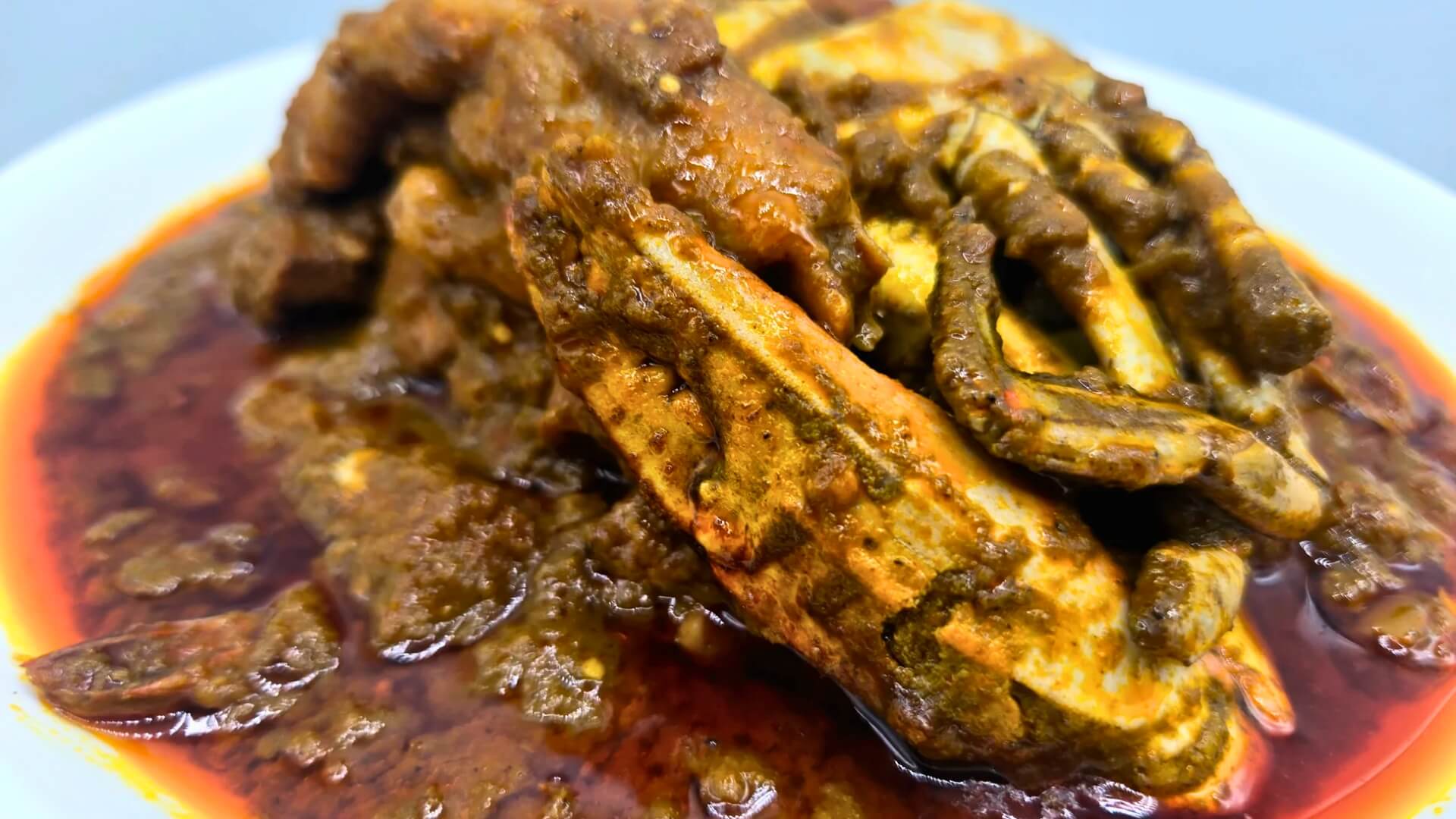
Restaurants deserve a special mention. Liberian cuisine — fufu, pepper soup, jollof rice, cassava leaf — is finding new audiences both domestically and in the diaspora. The restaurant sector in Monrovia has grown significantly since 2015, with more formal dining options appearing alongside the traditional chop houses. Discover the best restaurants in Liberia on TrueLiberia and see the range for yourself.
Why These Industries Matter for Visitors and Entrepreneurs
Understanding Liberia's biggest companies is not just academic. It shapes practical decisions for several audiences:
- Investors and entrepreneurs — The dominance of a few large concession companies means the SME space has real room to grow in services, logistics, agro-processing, and tech. The biggest companies create demand that smaller businesses can serve.
- Travelers and tourists — Major employers like Firestone and ArcelorMittal attract expat communities, which in turn support hotels, restaurants, and service businesses. Knowing where the economic activity clusters helps you understand why Monrovia looks the way it does.
- Diaspora returnees — The sectors with the most growth potential (fintech, agribusiness, hospitality, logistics) are precisely the ones where diaspora skills and capital can make the biggest difference.
Liberia's economy is genuinely at an inflection point. The post-war reconstruction period created a base. The COVID-19 disruption and commodity price cycles exposed vulnerabilities. What comes next depends heavily on whether the country can diversify beyond rubber and iron ore — and whether the private sector, both foreign and domestic, steps into that gap.
What the Biggest Companies Signal About Liberia's Future
The pattern across Liberia's top companies reveals something important: scale in Liberia currently requires either a natural resource concession, a government-linked license, or a pan-African network. Firestone has land. ArcelorMittal has mineral rights. Lonestar has spectrum. LISCR has a sovereign mandate. Ecobank has a continental footprint.
That is not a permanent condition — it is a starting point. The next generation of big Liberian businesses will likely be built on digital services, agricultural value addition, and consumer retail. The infrastructure being laid today (roads, fiber optic cables, mobile money networks) makes those businesses more viable every year.
For anyone planning to visit, invest, or simply understand Liberia better, TrueLiberia is your starting point. Find the best hotels and resorts in Liberia for your stay, or use the TrueLiberia Concierge service to get personalized recommendations on where to go, eat, and do business. The country's commercial story is still being written — and it is worth showing up to watch it unfold.