Major Industries in Liberia: A Broader Picture Than Most Investors Expect
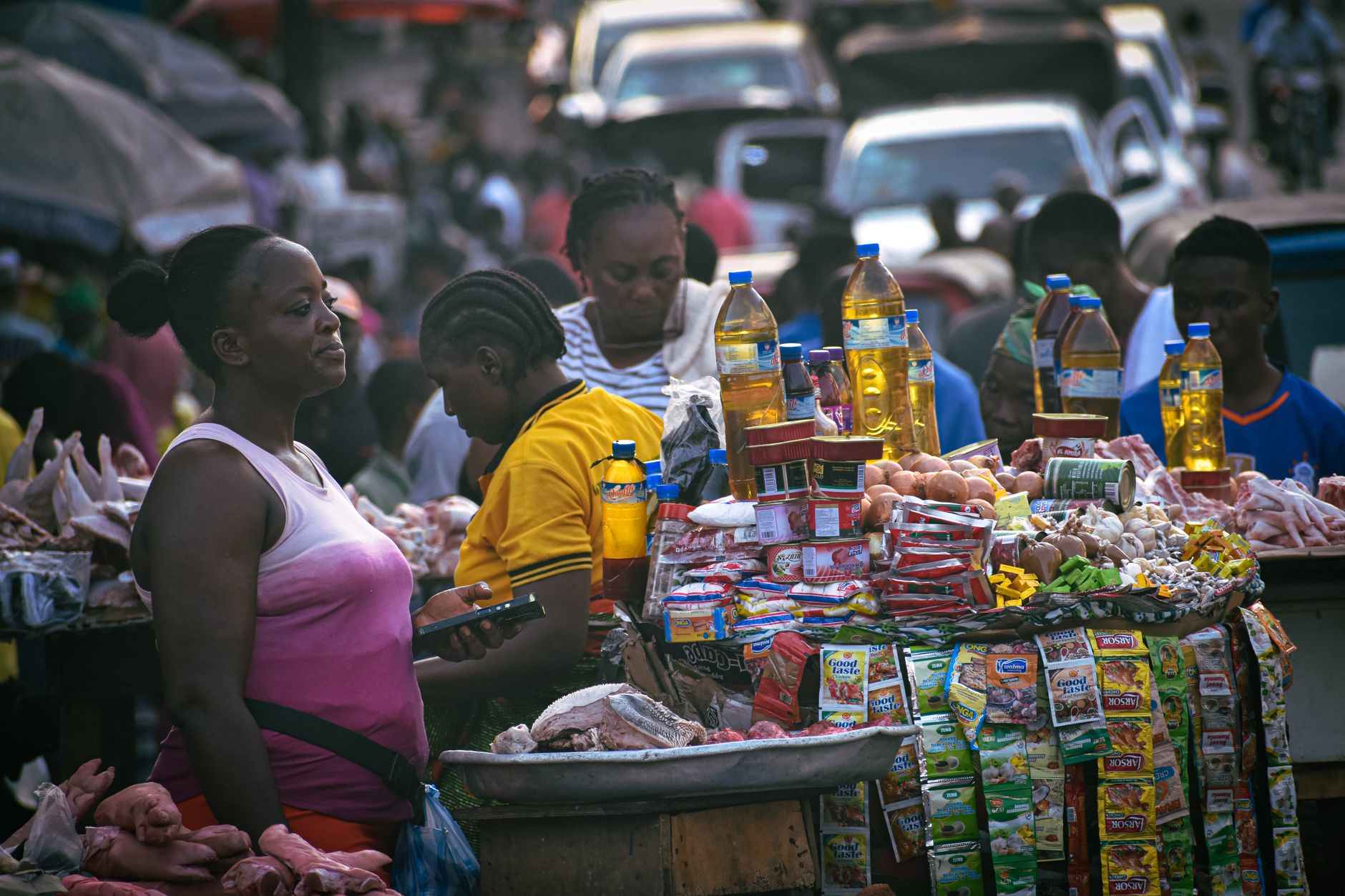
When outsiders think about the major industries in Liberia, mining dominates the conversation — and for good reason. Iron ore, gold, and diamonds have shaped Liberia's export economy for decades. But that narrow lens misses a fast-moving story. Agriculture, agro-processing, construction, tourism, digital services, fisheries, and logistics are all generating real opportunities right now, and the entrepreneurs who understand the full picture are the ones positioning themselves ahead of the curve.
This guide breaks down each key sector with concrete details: what's driving growth, where the gaps are, and what common mistakes early-movers make. Whether you're a diaspora investor, a local entrepreneur, or a foreign business scouting entry points, Liberia's economy offers more entry doors than the mining headlines suggest.
Mining: The Engine That Powers — and Overshadows — Everything Else
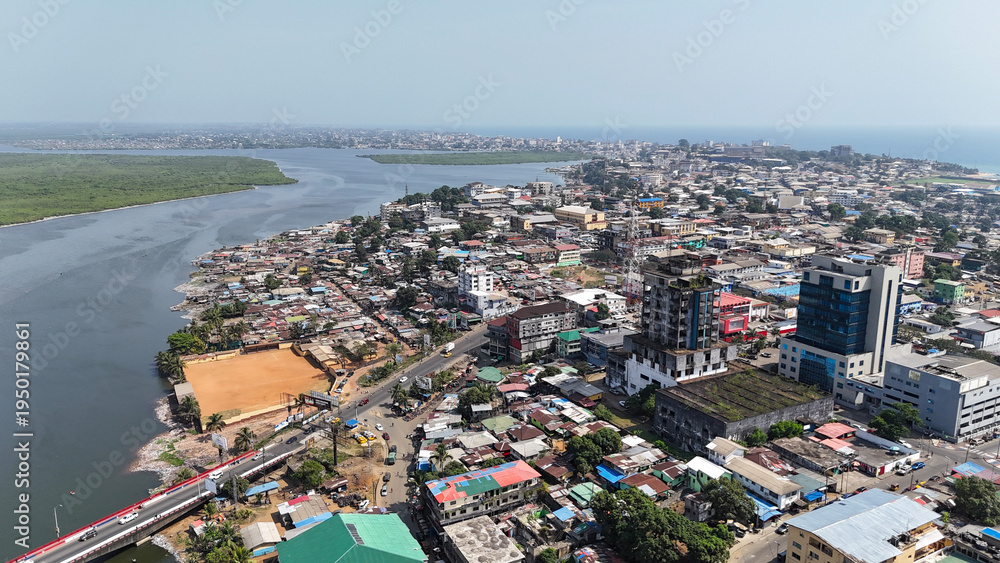
Mining remains Liberia's single largest export earner. Iron ore from the Nimba and Bong ranges, gold from Gbarpolu and Grand Cape Mount, and diamond deposits across multiple counties collectively account for the majority of foreign exchange receipts. According to the International Monetary Fund's Liberia country page, extractive industries drove the bulk of GDP growth in recent reporting periods.
The real opportunity most investors overlook isn't the ore itself — it's the supply chain around mining. Equipment maintenance, fuel logistics, skilled labor training, catering and camp management, and environmental compliance consulting are all chronically underserved. A local business that can reliably supply a mining camp with fresh produce or provide certified equipment operators has a captive, high-paying client with long contract horizons.
The trade-off: mining contracts are slow to close, require compliance with the Liberia Extractive Industries Transparency Initiative (LEITI), and often demand significant upfront capital. Don't enter this supply chain without a clear understanding of payment cycles — net-60 or net-90 terms are common and can cripple an undercapitalized business.
Agriculture and Agro-Processing: The Largest Employer, the Biggest Upside
Agriculture employs roughly 70% of Liberia's working population, yet the country still imports a significant share of its processed food. That gap is the opportunity. Rubber remains the dominant export crop, but rice, cassava, palm oil, cocoa, and coffee are all sectors where value-added processing is almost entirely absent at scale.
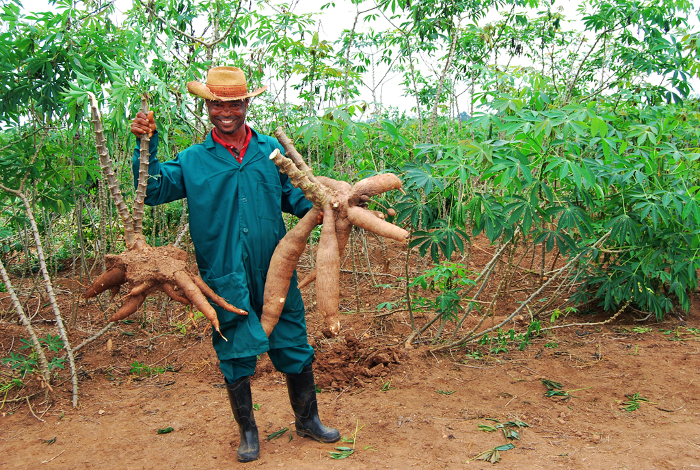
Consider cassava: Liberia produces substantial quantities, but virtually none of it is processed into flour, starch, or chips domestically before it reaches consumers or export markets. A small-to-medium agro-processing facility targeting cassava flour — replacing imported wheat flour in local bakeries — can realistically serve a market that currently spends millions of dollars on imports every year.
Palm oil tells a similar story. Smallholder production is widespread, but refining capacity is limited. Investors who build or partner with local processing units can capture margin at every stage: crude oil, refined cooking oil, and soap manufacturing. The FAO's Liberia country profile outlines active programs supporting exactly these value chains — meaning grant co-financing is sometimes available to reduce startup risk.
Common mistake: treating Liberian agriculture as a commodity play. The margin is thin at the farm gate. The money is in processing, packaging, and distribution. Build backward from the shelf, not forward from the field.
Key Agro-Processing Entry Points
- Cassava flour milling — targets import substitution in the baking sector
- Palm oil refining — high domestic demand, export potential to West African neighbors
- Cocoa and coffee drying and grading — specialty export premiums available for certified product
- Fish smoking and cold storage — bridges the gap between artisanal catch and urban markets
- Packaged rice milling — Liberia's staple food is still largely imported; domestic milling is a national priority
Construction and Infrastructure: A Decade of Demand
Liberia's infrastructure deficit is enormous — and that's not pessimism, it's a business thesis. Roads, bridges, commercial buildings, affordable housing, schools, and health facilities all need to be built or rebuilt. The government's infrastructure agenda, supported by multilateral lenders, is creating a sustained pipeline of construction contracts that will run well into the 2030s.
The immediate opportunity isn't necessarily in winning the large government contracts — those often go to international firms. It's in the sub-contracting layer: local materials supply (sand, gravel, cement blocks, timber), skilled trades (electrical, plumbing, tiling), equipment rental, and project management services. A well-run local materials yard serving three or four active construction sites can generate consistent, predictable revenue without the complexity of bidding on primary contracts.
Real estate development in Monrovia is another active sub-sector. Demand for mid-range commercial space and residential rentals consistently outpaces supply. Developers who can deliver reliable power (via solar hybrid systems) and clean water as part of a property package command significant premium rents.
Tourism and Hospitality: Liberia's Most Underrated Sector
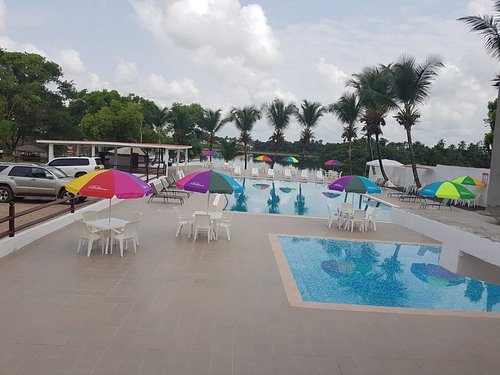
Liberia has a coastline stretching over 570 kilometers, tropical rainforests, national parks, and a cultural history unlike anywhere else in Africa. Yet the country receives a fraction of the tourists that neighboring Ghana or Senegal attract. That gap is closing — and the businesses that establish themselves now will benefit from first-mover positioning as awareness grows.
Surf tourism is already generating organic interest. Robertsport, a small coastal town, has developed a grassroots surf scene that draws international visitors specifically for its uncrowded waves. Eco-tourism around Sapo National Park — West Africa's second-largest rainforest — is another underdeveloped draw. Neither requires massive capital to enter: a well-run guesthouse, a reliable tour operation, or a quality restaurant serving fresh seafood can be built for a fraction of what it costs in more established markets.
If you're planning a visit or scouting the hospitality landscape, browse hotels and resorts listed on TrueLiberia to get a real-time picture of what's available and where the gaps in quality accommodation actually are. Similarly, explore Liberia's beaches and outdoor destinations to understand what the tourism product currently looks like from a visitor's perspective.

The honest trade-off: tourism infrastructure is thin. Reliable electricity, clean water, and consistent internet access are not guaranteed outside Monrovia. Investors who solve these problems as part of their hospitality offering — rather than waiting for the government to solve them — are the ones who succeed. Solar power, rainwater harvesting, and Starlink connectivity are not luxuries in this context; they're baseline requirements for a viable hospitality business.
Fisheries and the Blue Economy: An Ocean of Missed Revenue
Liberia's Exclusive Economic Zone (EEZ) covers approximately 247,000 square kilometers of the Atlantic Ocean. Despite this, industrial fishing is largely dominated by foreign fleets operating under licensing agreements, while domestic fish processing, cold chain logistics, and aquaculture remain almost entirely undeveloped.
The blue economy concept — generating sustainable economic value from ocean resources — is a stated priority of the Liberian government. Opportunities exist across several layers:
- Artisanal fisheries support: Supplying fishing communities with ice, cold storage, and reliable transport to urban markets dramatically reduces post-harvest losses and increases fisher income.
- Fish processing: Smoking, drying, and canning facilities that meet basic food safety standards can access both domestic and regional export markets.
- Aquaculture: Tilapia and catfish farming in inland water bodies is technically feasible and faces almost no local competition at commercial scale.
- Port services: The Freeport of Monrovia handles significant fishing vessel traffic; chandlery, repair, and provisioning services are chronically undersupplied.
Manufacturing and Light Industry: Small Scale, Real Returns
Liberia is not yet a manufacturing hub — but that's precisely why early entrants have an advantage. Import substitution is the clearest path: products that Liberia currently imports in large volumes and that can be produced locally with modest capital investment. Bottled water, plastic packaging, construction materials (cement blocks, roofing sheets), furniture, and processed foods all fit this profile.
The Liberia Industrial Free Zone Authority (LIFZA) offers incentives including tax holidays, duty-free importation of raw materials, and streamlined licensing for qualifying manufacturers. These incentives are real and material — a five-year tax holiday meaningfully changes the return profile of a manufacturing investment. The mistake most entrepreneurs make is not applying for these incentives because the paperwork seems complex. Hire a local attorney familiar with investment law; the cost is trivial relative to the tax savings.
Energy cost is the critical variable. Grid power in Liberia is expensive and unreliable. Any manufacturing business plan that doesn't account for captive solar or generator power — and model the true cost per kilowatt-hour — is built on a false foundation. Get the energy numbers right before you commit to a facility.
Digital Services and the Tech Economy: Faster Growth Than the Headlines Suggest
Mobile penetration in Liberia has grown steadily, and with it, demand for digital services. Mobile money — led by operators like Lonestar Cell MTN and Orange Money — has become a genuine financial infrastructure layer, enabling transactions for people and businesses that were previously unbanked.
On top of this foundation, a small but real tech entrepreneurship ecosystem is emerging in Monrovia. Web development, digital marketing, IT support, software localization, and e-commerce logistics are all areas where Liberian entrepreneurs are building viable businesses. The constraint isn't demand — it's skilled talent and reliable connectivity.
For diaspora entrepreneurs with digital skills, this is one of the lowest-barrier entry points. A digital agency serving Liberian businesses, a local e-commerce platform, or a mobile-first fintech product can be built with relatively modest capital. Discover businesses already active across Liberia's economy on TrueLiberia to understand the competitive landscape before you launch.
According to the World Bank's Liberia overview, digital infrastructure investment is a key pillar of the country's development strategy — which means regulatory and funding support for tech-adjacent businesses is likely to grow over the coming years.
Logistics and Trade: The Connective Tissue of a Growing Economy
Every industry on this list depends on logistics. Getting goods from port to warehouse, from farm to processor, from manufacturer to retailer — these movements are expensive, slow, and unreliable in Liberia. That's a problem for existing businesses and a clear opportunity for entrepreneurs who can solve it.
Freight forwarding, customs brokerage, last-mile delivery, warehousing, and fleet management are all undersupplied relative to demand. A well-run trucking operation with GPS-tracked vehicles and reliable drivers commands a premium in a market where cargo loss and delivery delays are routine. Cold chain logistics — refrigerated transport and storage — is almost entirely absent outside of a few large importers, yet it's essential for food safety and reducing post-harvest losses in agriculture and fisheries.
Where to Start Your Liberia Business Research
The industries above each have their own entry requirements, capital thresholds, and risk profiles. Before committing capital, spend time on the ground. Visit active businesses, talk to operators in your target sector, and use platforms like TrueLiberia to map the existing landscape. Use the TrueLiberia Concierge service to get expert local guidance on navigating Liberia's business environment — from finding the right contacts to understanding which neighborhoods and sectors are most active.
The businesses that succeed in Liberia share a common trait: they solve a specific, concrete problem rather than chasing a broad sector. Pick your lane, understand the supply chain deeply, and build relationships before you build the business plan.
Putting It All Together: Which Sector Fits Your Profile?
Not every industry suits every investor. Here's a quick framework for matching your profile to the right opportunity:
- High capital, long horizon: Mining supply chain, agro-processing, manufacturing — these reward patience and scale.
- Moderate capital, medium horizon: Construction materials, hospitality, cold chain logistics — strong demand, faster payback than extractives.
- Low capital, faster returns: Digital services, trade facilitation, artisanal fisheries support — lower barriers, but also more competitive over time.
- Diaspora-friendly: Tourism, digital services, food and beverage — sectors where cultural knowledge and international networks are genuine competitive advantages.
Liberia's economy is growing, and the sectors driving that growth extend well beyond the iron ore mines of Nimba County. The investors who look at the full picture — agriculture, agro-processing, construction, tourism, fisheries, manufacturing, logistics, and digital services — will find opportunities that the mining-focused headlines consistently miss. Discover what Liberia's business landscape looks like today and position yourself before the next wave of growth makes entry more expensive.